
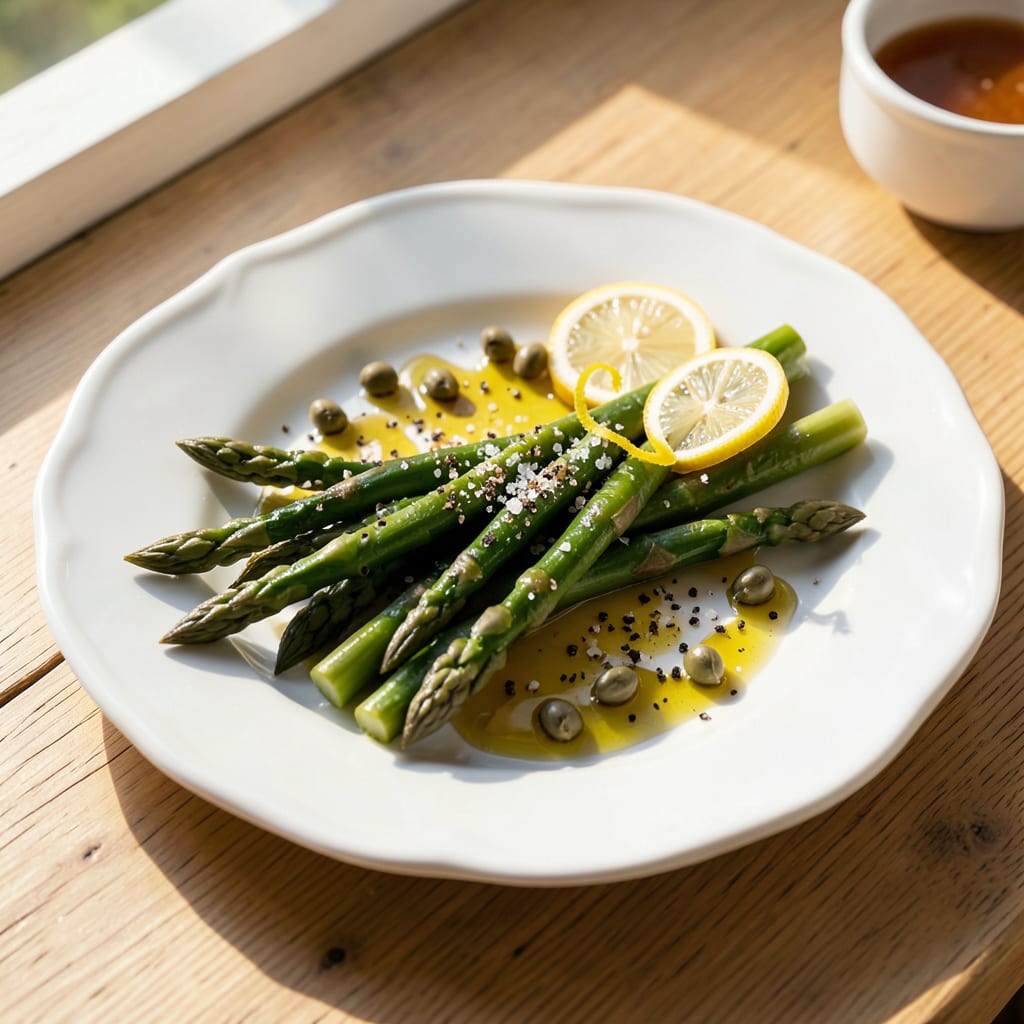
Drain and rinse canned asparagus, then sauté with garlic in olive oil for 3-5 minutes. Finish with lemon juice, salt, and pepper for a quick, flavorful side dish. Optional additions include Parmesan cheese or red pepper flakes.
This method transforms a pantry staple into something restaurant-worthy in under 10 minutes. 🔥 The rinsing step removes excess sodium while preserving the asparagus’s natural texture, and the garlic-infused oil creates a rich base that complements its mild flavor. I love how versatile this technique is—it works equally well as a standalone side or tossed into pasta dishes for extra nutrition. The acidity from lemon juice brightens the entire dish, balancing the earthy notes of the asparagus.
💡 In This Article
- Why Canned Asparagus Works for Quick, Healthy Meals
- 5 Creative Ways to Elevate Canned Asparagus Recipes
Why Canned Asparagus Works for Quick, Healthy Meals
The canning process actually preserves most of asparagus’s key nutrients. Studies show canned asparagus retains about 80-90% of its original folate and vitamin K content, with only minor losses in heat-sensitive vitamin C. The high-pressure heat treatment during canning softens the fibrous stalks, making them more digestible while maintaining their signature earthy flavor.
This makes it a nutritional powerhouse that’s ready to use straight from your pantry. ✨
Unlike fresh asparagus that loses texture within days, canned versions maintain consistent quality for 2-5 years when stored properly. The vacuum-sealed environment prevents oxidation that causes fresh asparagus to become woody.
You’ll notice canned spears have a slightly softer bite than fresh, but this actually works beautifully in quick-cooking applications where you want the vegetable to absorb flavors rapidly. I’ve found they hold up particularly well in stir-fries and pasta dishes where fresh asparagus might become mushy.
Here’s what most people don’t realize: canned asparagus undergoes a blanching process before canning that sets its vibrant green color. This pre-cooking means you only need 3-5 minutes of additional cooking time to achieve perfect doneness. The convenience factor is unmatched—no trimming, no peeling, and no tough ends to discard.
For busy weeknights, this translates to getting a vegetable side on the table in about the same time it takes to boil water for pasta. 🔥
The liquid in canned asparagus contains water-soluble vitamins that leach out during processing. That’s why rinsing is crucial—it removes excess sodium (canned varieties often contain 300-400mg per serving) while preserving the asparagus’s natural sweetness. I recommend using the drained liquid in soups or sauces to recapture those nutrients.
The texture difference from fresh is minimal in most cooked applications, though you might notice canned spears are slightly more uniform in thickness.
From a culinary perspective, canned asparagus offers unique advantages. Its consistent texture makes it ideal for dishes requiring even cooking, like frittatas or casseroles. The pre-softened spears absorb marinades and dressings more readily than fresh, which is why they work so well in cold salads.
I’ve successfully used them in place of fresh in recipes calling for 5-7 minutes of cooking time with excellent results. The flavor profile remains remarkably similar to fresh when properly seasoned.
Consider the environmental benefits too. Canned asparagus has a significantly lower food waste footprint than fresh—no trimming required means you use 100% of what’s in the can. The shelf stability also reduces the energy required for refrigeration and transportation compared to fresh produce.
For meal preppers, this means you can stock up during sales without worrying about spoilage, making it both economical and eco-friendly. 🌟
The real magic happens when you pair canned asparagus with bold flavors. Its mild taste serves as the perfect canvas for garlic, citrus, umami-rich ingredients like soy sauce, or smoky elements like paprika.
Unlike some canned vegetables that develop a metallic taste, properly processed asparagus maintains its clean, fresh flavor—especially when you take that extra 30 seconds to rinse it thoroughly before cooking. This versatility is why I consider it one of the most underrated pantry staples for quick, healthy meals.

- BBQ Sausage Recipe Oven: Smoky Depth Without the Grill - September 28, 2026
- BBQ Chicken Bowl Recipe Rice: Smoky Sweetness Over Fluffy Grains - September 28, 2026
- Beef Cutlet Recipe Ideas: Crispy Breaded Patties With Bold Seasonings - September 28, 2026