
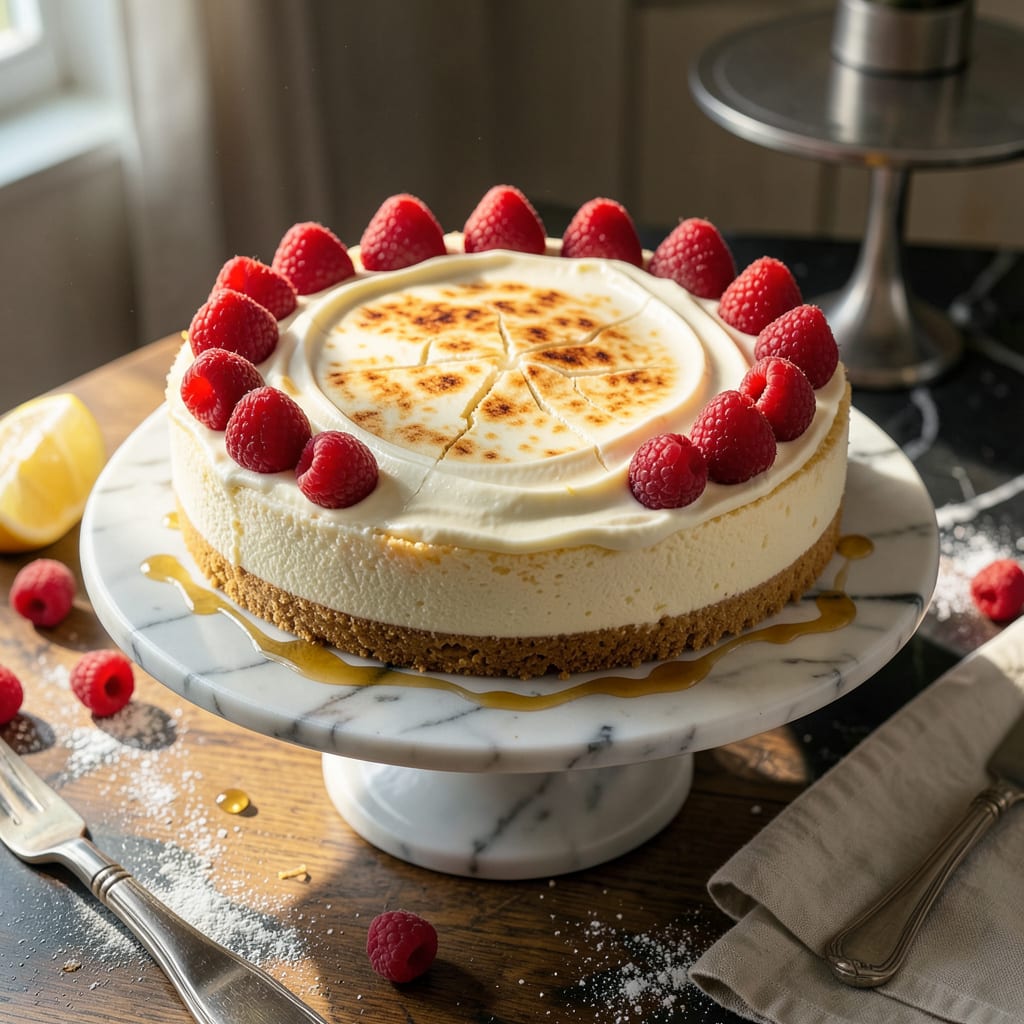
A classic cheesecake filling combines 32 oz cream cheese, 1 cup sugar, 1 tsp vanilla, and 3 eggs beaten in one at a time. Mix until smooth but avoid overbeating to prevent cracks. Bake in a water bath at 325°F for 45-55 minutes.
This foundational ratio delivers that signature velvety texture we all crave in cheesecake. The secret lies in the balance between fat from the cream cheese and structure from the eggs—too much air incorporated during mixing leads to unsightly cracks during baking. I always recommend using full-fat cream cheese for optimal richness, as lower-fat versions can make the filling grainy. 🔥
What many home bakers overlook is the importance of ingredient temperature. Room-temperature cream cheese blends seamlessly with sugar, preventing those pesky lumps that can ruin an otherwise perfect dessert. The water bath isn’t just tradition—it creates a gentle, even heat that prevents the edges from baking faster than the center, which is crucial for that uniform, creamy consistency.
💡 In This Article
- Science Behind Perfect Cheesecake Filling Texture
- Customizing Cheesecake Filling for Flavors and Diets
Science Behind Perfect Cheesecake Filling Texture
The magic of cheesecake filling starts with the fat content in cream cheese—full-fat versions contain about 33% milkfat, which creates that luxurious mouthfeel. When you mix it with sugar, the granules dissolve into the fat, forming tiny emulsified droplets that give the filling its smooth consistency.
The eggs act as structural agents, with their proteins coagulating at 160-180°F to create a delicate network that holds everything together. 🔥
Mixing speed dramatically affects the final texture. Low speeds (2-3 on a stand mixer) gently combine ingredients without incorporating excess air, which can expand during baking and cause cracks. Sugar does more than sweeten—it binds water molecules, preventing the filling from becoming too dense.
The ideal ratio of 1 cup sugar per 32 oz cream cheese balances sweetness while maintaining the proper moisture level for that signature creamy slice.
During baking, the water bath serves a critical scientific purpose. It maintains a steady 325°F environment while the filling transforms through three stages: first the eggs set at the edges, then the center gradually thickens, and finally the entire mass stabilizes.
Without this gentle heat distribution, the outer layer would bake too quickly, creating that dreaded “cheesecake canyon” in the middle. ✨
The cooling process is equally important. As the filling drops from 160°F to room temperature, the fat crystals reform and the protein structure sets completely. This is why you should never rush this step—cutting into a warm cheesecake disrupts the delicate matrix, resulting in a gummy rather than silky texture.
The gradual temperature change allows the filling to develop its final velvety consistency.
Even the type of sugar matters. Granulated sugar dissolves more completely than powdered, creating a smoother texture. The small amount of vanilla extract (typically 1 tsp) isn’t just for flavor—its alcohol content helps distribute fat molecules more evenly throughout the mixture.
This is why professional bakers often use clear vanilla extract in light-colored cheesecakes for both flavor and visual appeal. 💫
For those troubleshooting texture issues, remember that overmixing after adding eggs incorporates too much air, while undermixing leaves sugar granules undissolved. The perfect filling should look like thick batter—smooth enough to pour but substantial enough to hold soft peaks when lifted with a spatula.
This visual cue indicates you’ve achieved the ideal balance of fat, sugar, and protein structure.

- BBQ Oysters Recipe Grill: Smoky Garlic Butter Bliss - September 28, 2026
- Crock Pot Mac and Cheese Recipe Paula Deen: Ultra Creamy Southern-Style Comfort - September 28, 2026
- Beyond Burger Recipe Ideas: Plant-Based Creativity for Every Meal - September 28, 2026