
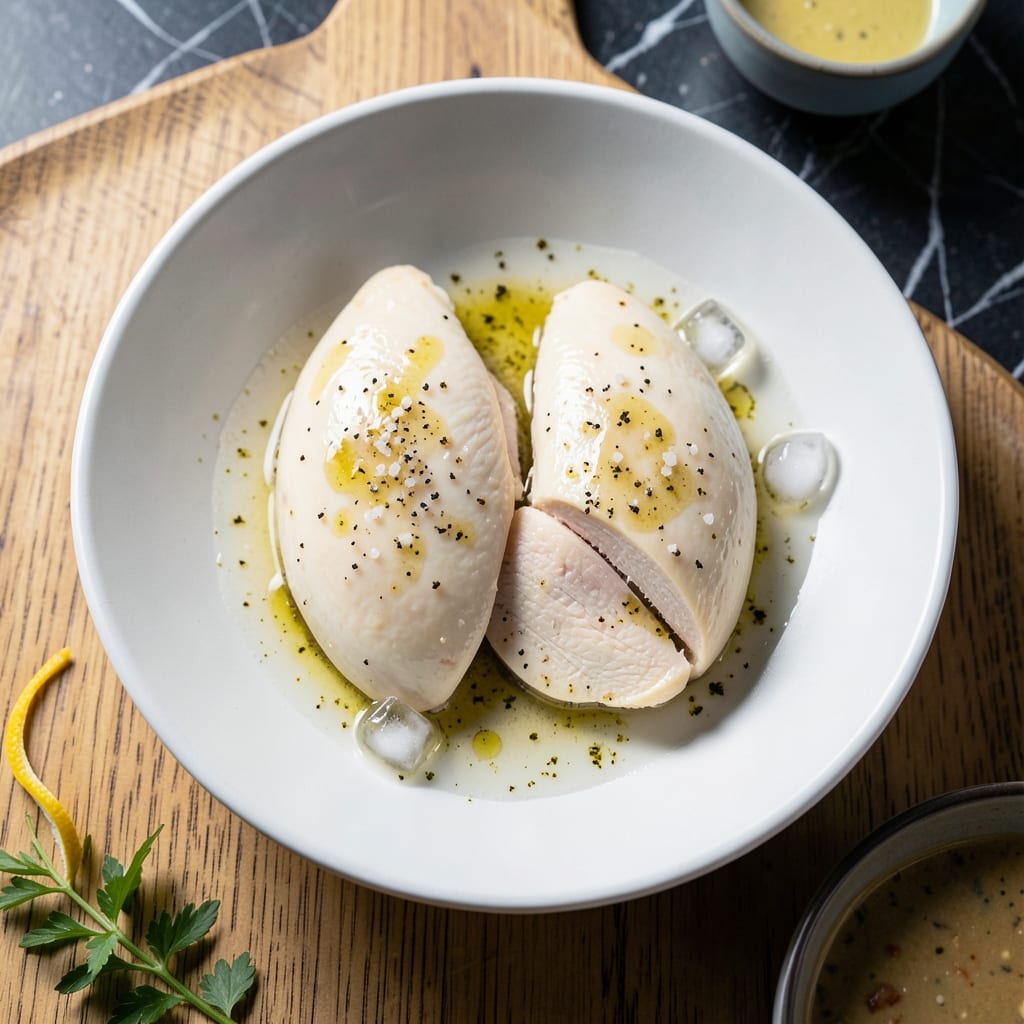
I spent years overcooking chicken breast until I discovered the transformative power of a simple brine. This method guarantees tender, juicy results every time without fail.
The key is soaking the chicken in a saltwater solution before cooking, which helps it retain moisture. I also use a precise temperature method that prevents dryness while ensuring complete doneness.
What you get is perfectly cooked chicken with a consistent texture throughout—no more dry edges or rubbery centers. The brine enhances natural flavors without overpowering them.
This technique works for grilling, baking, or pan-searing. The result is restaurant-quality chicken that stays juicy even when reheated.
Ingredients for Chicken Breast Recipe Tender
A short list for the juiciest chicken you have ever made at home.
| Ingredient | Amount | Notes |
|---|---|---|
| Boneless Skinless Chicken Breasts 🍗 | 1 ½ lb | Uniform thickness for even cooking |
| Kosher Salt 🧂 | ¼ cup | Diamond Crystal preferred for brining |
| Granulated Sugar 🍚 | 2 tbsp | Balances brine salinity |
| Cold Water 💧 | 4 cups | For brine solution |
| Ice Cubes ❄️ | 2 cups | To chill brine quickly |
| Olive Oil 🫒 | 2 tbsp | High smoke point for searing |
| Unsalted Butter 🧈 | 2 tbsp | For basting while cooking |
| Garlic Cloves 🧄 | 3 cloves | Smashed for aromatic oil |
| Fresh Thyme Sprigs 🌿 | 3 whole | Optional for herb butter |
| Fresh Rosemary Sprigs 🌿 | 2 whole | Optional for herb butter |
| Black Pepper 🌶️ | 1 tsp | Freshly ground preferred |
| Lemon 🍋 | ½ whole | Zested and juiced for brightness |
The chicken is everything here. Boneless, skinless breasts work best—pound them to even thickness so they cook uniformly. I use Diamond Crystal kosher salt for brining (the flakes dissolve faster than table salt). For the water, cold is critical—hot water would start cooking the meat. Most grocery stores carry what you need, but I always grab my salt from Costco in bulk.
No kosher salt? Table salt at half the volume works, but measure precisely—too much and you’ll end up with salty chicken. Skip the sugar if you prefer, though it does help the brine penetrate faster. The herbs are optional but fresh thyme or rosemary add a restaurant-quality touch. If you’ve got a meat mallet, use it to even out the thickness (or a rolling pin in a pinch).
Brine the chicken for 30 minutes to 2 hours—any longer and it gets too salty. Cooked chicken keeps in the fridge for 3-4 days, or freeze for up to 3 months. The herb butter can be made ahead and stored in the freezer too.
Why You’ll Love This Recipe
- No-Fuss Brine: I just mix salt, sugar, and cold water with ice—5 minutes of effort for chicken that stays juicy every time.
- Restaurant-Quality Tenderness: The sugar in the brine gives it a subtle sweetness while keeping the meat so tender it practically melts.
- Meal Prep Hero: I brine a batch Sunday night and cook all week—sandwiches, salads, or stir-fries, it works for everything.
- Budget Stretch: Boneless skinless chicken breasts are cheap, and this method makes them taste like they cost twice as much.
Step-by-Step Instructions for Chicken Breast
This method guarantees juicy, flavorful results every time without fail.
Step 1: Create the Brine Solution
In a large bowl, combine the 0.25 cup Kosher Salt, 2 tbsp Granulated Sugar, and 4 cups Cold Water. Stir until the salt and sugar fully dissolve—this should take about 2-3 minutes of vigorous stirring.
Add the 2 cups Ice Cubes to chill the brine rapidly. The mixture should feel cold to the touch before you add the chicken. This temperature control prevents the meat from starting to cook prematurely in the brine.
Step 2: Brine the Chicken Breasts
Submerge the 1.5 lb Boneless Skinless Chicken Breasts completely in the brine. I like to use a plate to weigh them down if they float. Brine for exactly 30 minutes—this is the sweet spot for maximum moisture retention without making the meat too salty.
Don’t exceed 45 minutes or the chicken can become overly seasoned. You’ll notice the meat plumps slightly as it absorbs the brine, which is exactly what you want for juiciness.
Step 3: Sear and Aromatize
Pat the chicken dry thoroughly with paper towels. Heat the 2 tbsp Olive Oil in a skillet over medium-high heat until it shimmers. Add the chicken and sear undisturbed for 5-6 minutes until golden brown.
Flip the chicken, then add the 2 tbsp Unsalted Butter, 3 cloves Garlic Cloves, 3 whole Fresh Thyme Sprigs, 2 whole Fresh Rosemary Sprigs, and 1 tsp Black Pepper. Baste the chicken with the foaming butter for 4-5 minutes until cooked through.
Step 4: Rest and Finish
Transfer the chicken to a cutting board and let it rest for 5-10 minutes. This allows the juices to redistribute. While it rests, squeeze the 0.5 whole Lemon over the chicken for a bright finish.
Slice against the grain and serve immediately. The internal temperature should read 165°F when properly cooked. The brine ensures the meat stays tender, while the herb butter adds layers of flavor.
Pro Tips For Making Chicken Breast Recipe Tender
- Brine First: Soak the chicken in a mix of ¼ cup kosher salt, ¼ cup sugar, and 4 cups cold water with ice cubes for 30 minutes—this keeps the meat juicy even if you overcook it slightly.
- Pound Evenly: Use a rolling pin to gently pound the chicken breasts to an even ¾-inch thickness so they cook through without drying out the thinner parts.
- Skip Boiling Brine: Cold brine only—hot water will start cooking the chicken, making it tough before it even hits the pan.
- Rest Before Cooking: After brining, let the chicken sit on a rack in the fridge for 10 minutes to dry slightly—this helps it brown better when cooked.
Storing and Reheating This Dish
Refrigerator Storage
Let your chicken cool completely, then store in airtight containers with any juices. It stays fresh for 3-4 days at 40°F or below. I use glass containers from Pyrex—they’re durable and don’t absorb odors. ❄️
Freezer Storage
For longer storage, wrap each breast tightly in plastic wrap, then place in a freezer bag. Squeeze out excess air to prevent freezer burn. Your chicken will keep for up to 3 months without losing quality.
Stovetop Reheating
Add 2 tbsp water or broth to a skillet and heat over medium-low. Place chicken in the pan, cover, and warm for 5-7 minutes, flipping once. This keeps it moist and tender.
Microwave Reheating
Place chicken on a microwave-safe plate, cover with a damp paper towel, and heat on 50% power for 2-3 minutes. Check temperature—it should reach 165°F before serving. 🔥
Make-Ahead Tips
Cook the chicken fully, let it cool, then store as directed. When ready to serve, reheat using your preferred method. I often prep a batch on Sunday for quick weeknight meals.
Nutrition Facts
Frequently Asked Questions
Why does brining make chicken more tender?
The salt in the brine changes the protein structure, allowing the meat to retain more moisture during cooking. Sugar adds flavor and helps the brine penetrate faster, ensuring juiciness throughout.
Can I skip the sugar in the brine?
Yes, but it helps balance the salt and speeds up moisture absorption. Without it, the chicken will still be tender but may lack depth of flavor.
What if my chicken cooks unevenly?
Pound the breasts to 1-inch thickness before brining. This ensures even cooking and prevents dry edges while the center finishes.
How do I know when it’s done?
Use a meat thermometer—165°F in the thickest part means it’s safe to eat. The juices should also run clear when pierced.

- BBQ Sausage Recipe Oven: Smoky Depth Without the Grill - September 28, 2026
- BBQ Chicken Bowl Recipe Rice: Smoky Sweetness Over Fluffy Grains - September 28, 2026
- Beef Cutlet Recipe Ideas: Crispy Breaded Patties With Bold Seasonings - September 28, 2026