
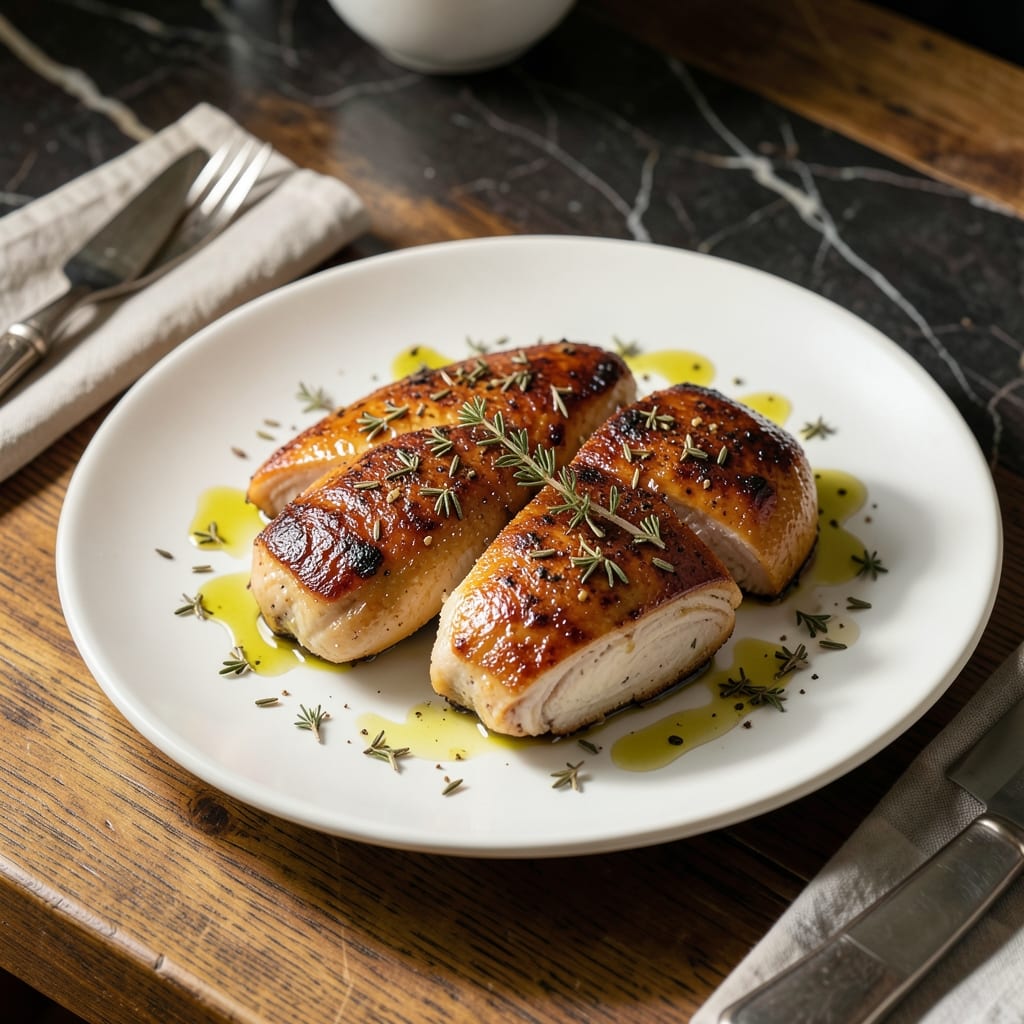
When stomach sensitivity makes meal planning difficult, this baked chicken offers a gentle solution. I developed this recipe after seeing too many friends struggle with reflux flare-ups after dinner. The approach focuses on mild seasonings and lean protein to avoid common triggers.
The method keeps things simple: boneless chicken breasts, a touch of olive oil, and herbs that won’t irritate. Baking at 375°F ensures even cooking without added fats that can cause discomfort. The result is tender, flavorful chicken that’s easy to digest.
What you get is a foolproof main dish that works for weeknight dinners or meal prep. The chicken stays moist, and the subtle seasoning lets the natural flavor shine through. It’s the kind of meal that proves healthy eating doesn’t have to be bland.
Serve with steamed vegetables or mild grains for a complete, reflux-friendly meal.
Ingredients for Baked Chicken Recipe for Acid Reflux
These mild, soothing ingredients create a meal that’s gentle on sensitive systems.
| Ingredient | Amount | Notes |
|---|---|---|
| Boneless Chicken Breasts 🍗 | 1 ½ lb | Skinless, pounded to even thickness |
| Extra-Virgin Olive Oil 🫒 | 2 tbsp | Mild flavor, avoids irritation |
| Dried Oregano 🍃 | 1 tsp | Mild, non-acidic herb |
| Dried Thyme 🌿 | 1 tsp | Gentle, soothing flavor |
| Garlic Powder 🧄 | ½ tsp | Milder than fresh garlic |
| Onion Powder 🧅 | ½ tsp | Low-acid option |
| Salt 🧂 | ½ tsp | Kosher or sea salt |
| Ground Black Pepper 🌶️ | ¼ tsp | Freshly ground preferred |
| Fresh Parsley 🌿 | 2 tbsp | Chopped, for garnish |
| Low-Sodium Chicken Broth 🍲 | ¼ cup | For moisture, optional |
The chicken is the foundation—boneless, skinless breasts are leanest and easiest to digest. Whole Foods or Trader Joe’s carry high-quality options without added solutions. Look for air-chilled for best texture. The herbs are specifically chosen: oregano and thyme add flavor without acidity. Avoid citrus-based seasonings or anything with vinegar, as these can trigger reflux.
No dried herbs? Fresh basil or parsley at double the amount works, but skip cilantro—it can be polarizing. The olive oil can be light in color if you prefer even milder flavor. Short on broth? Water with a pinch of salt is fine. The key is keeping everything gentle and non-irritating. Garlic powder is milder than fresh, which can be too pungent for some.
Bake immediately or refrigerate chicken 1-2 days max. Leftovers keep 3-4 days in the fridge or freeze for 2 months. Reheat gently to avoid drying out. Always let it rest 5 minutes before serving—keeps it juicy.
Why You’ll Love This Recipe
- One Pan Meal: I just toss the chicken with olive oil and herbs, pop it in the oven, and let it do its thing.
- Gentle but Tasty: The oregano and thyme give it just enough flavor without triggering my reflux.
- Meal Prep Hero: I make a big batch on Sunday and it’s my lunch all week—no sad desk salads.
- Budget’s Best Friend: Boneless chicken breasts stretch far, and a little olive oil goes a long way.
Step-by-Step Instructions for Baked Chicken
This method ensures tender, flavorful chicken that’s gentle on sensitive digestive systems.
Step 1: Prepare and Season the Chicken
Preheat your oven to 375°F. While it heats, pat the 1.5 lb boneless chicken breasts dry with paper towels to remove excess moisture. This helps the seasoning adhere and promotes even browning.
Place the chicken on a clean surface and pound to an even ½-inch thickness using a meat mallet. This ensures uniform cooking. In a small bowl, combine the 1 tsp dried oregano, 1 tsp dried thyme, 0.5 tsp garlic powder, 0.5 tsp onion powder, 0.5 tsp salt, and 0.25 tsp ground black pepper.
Rub the seasoning mixture evenly over both sides of the chicken, pressing gently to help it stick. The mild herbs and powders provide flavor without triggering acid reflux.
Step 2: Sear the Chicken for Added Flavor
Heat the 2 tbsp extra-virgin olive oil in a large oven-safe skillet over medium heat. Once the oil shimmers, add the chicken breasts and sear for 2-3 minutes per side until lightly golden. Avoid high heat, which can create harsh flavors.
The searing step adds depth to the dish while keeping it gentle. The extra-virgin olive oil is mild and unlikely to irritate sensitive stomachs. Transfer the chicken to a plate and set aside momentarily.
Step 3: Bake Until Fully Cooked
Return the skillet to the oven and bake the chicken for 15-20 minutes, or until the internal temperature reaches 165°F. If the pan seems dry, add the 0.25 cup low-sodium chicken broth to the skillet before baking to keep the chicken moist.
Baking at 375°F ensures the chicken cooks through without drying out. The low-sodium chicken broth adds moisture and enhances flavor without introducing excess salt or acidity. Check the thickest part of the breast with a meat thermometer to confirm doneness.
Step 4: Rest and Garnish
Remove the chicken from the oven and transfer it to a cutting board. Tent loosely with foil and let it rest for 5-10 minutes. This allows the juices to redistribute, ensuring each serving is moist and tender.
Once rested, slice the chicken against the grain into even portions. Garnish with the 2 tbsp fresh parsley for a bright, mild finish. The parsley adds a touch of freshness without overpowering the dish.
Serve immediately with your choice of gentle sides, such as steamed vegetables or mashed potatoes, for a complete, soothing meal.
Pro Tips For Making Baked Chicken Recipe For Acid Reflux
- Pound the Breasts: I learned this the hard way—uneven chicken breasts dry out. Pound them to an even ¾-inch thickness so they cook through without the thin edges turning to leather.
- Skip Fresh Garlic: Garlic powder is gentler on sensitive stomachs than fresh, which can trigger acid reflux. Stick with the powdered version—it still packs flavor without the bite.
- Low and Slow: Bake at 375°F for 20-25 minutes, not higher. High heat can make the outside tough before the inside cooks, and overcooked chicken is a reflux nightmare.
- Rest Before Serving: Pull the chicken out at 160°F, tent it with foil, and let it rest 5 minutes. It’ll hit 165°F safely, and the juices redistribute—no dry, rubbery bites.
Pro Cooking Tips for Great baked chicken recipe for acid reflux
Even Thickness Matters
I always pound the chicken to an even ½-inch thickness—this prevents thinner parts from overcooking while thicker sections finish. Use a meat mallet or rolling pin. This step changed my early cooking failures into consistent success. 💪
Gentle Searing Technique
Sear over medium heat for just 2-3 minutes per side to avoid harsh flavors that can trigger reflux. High heat creates bitter compounds. The extra-virgin olive oil adds mild richness without irritation.
Moisture Control
Add ¼ cup low-sodium chicken broth to the skillet before baking if your pan looks dry. This creates steam that keeps the chicken tender. I learned this trick after too many dry, overcooked breasts in my early cooking days.
Temperature Precision
Use a meat thermometer to check for 165°F internal temperature at the thickest part. Don’t guess—overcooked chicken is tough and harder to digest. I keep a ThermoWorks Instant Read in my kitchen drawer.
Resting Time
Let the chicken rest for 5-10 minutes before slicing. This allows juices to redistribute, preventing dryness. Skipping this step was my biggest mistake as a new cook—now I never do. 💛
Slicing Technique
Slice against the grain into ½-inch thick pieces. This shortens muscle fibers, making each bite more tender and easier to digest. I use my grandmother’s Wüsthof 8-inch chef’s knife for this.
Nutrition Facts
Frequently Asked Questions
What seasonings are safe for sensitive stomachs?
Stick to mild herbs like oregano, thyme, and parsley. Avoid garlic, onion, black pepper, and any spicy seasonings, as these can trigger reflux. A pinch of salt is fine, but go easy on it.
Can I use chicken thighs instead of breasts?
Yes, but opt for boneless, skinless thighs and trim visible fat. Thighs stay juicier but take 5-10 minutes longer to reach 165°F. Dark meat is slightly higher in fat, so monitor portions.
How do I keep the chicken from drying out?
Pound breasts to even thickness, sear briefly, and bake at 375°F. Add ¼ cup broth to the pan, and don’t overcook—pull it at 165°F. Resting 5-10 minutes before slicing locks in moisture.
What sides pair well without causing reflux?
Choose steamed carrots, green beans, or zucchini. Mashed potatoes or white rice work too. Skip tomatoes, citrus, or creamy sauces. Keep portions small to avoid overfilling.

- BBQ Sausage Recipe Oven: Smoky Depth Without the Grill - September 28, 2026
- BBQ Chicken Bowl Recipe Rice: Smoky Sweetness Over Fluffy Grains - September 28, 2026
- Beef Cutlet Recipe Ideas: Crispy Breaded Patties With Bold Seasonings - September 28, 2026