
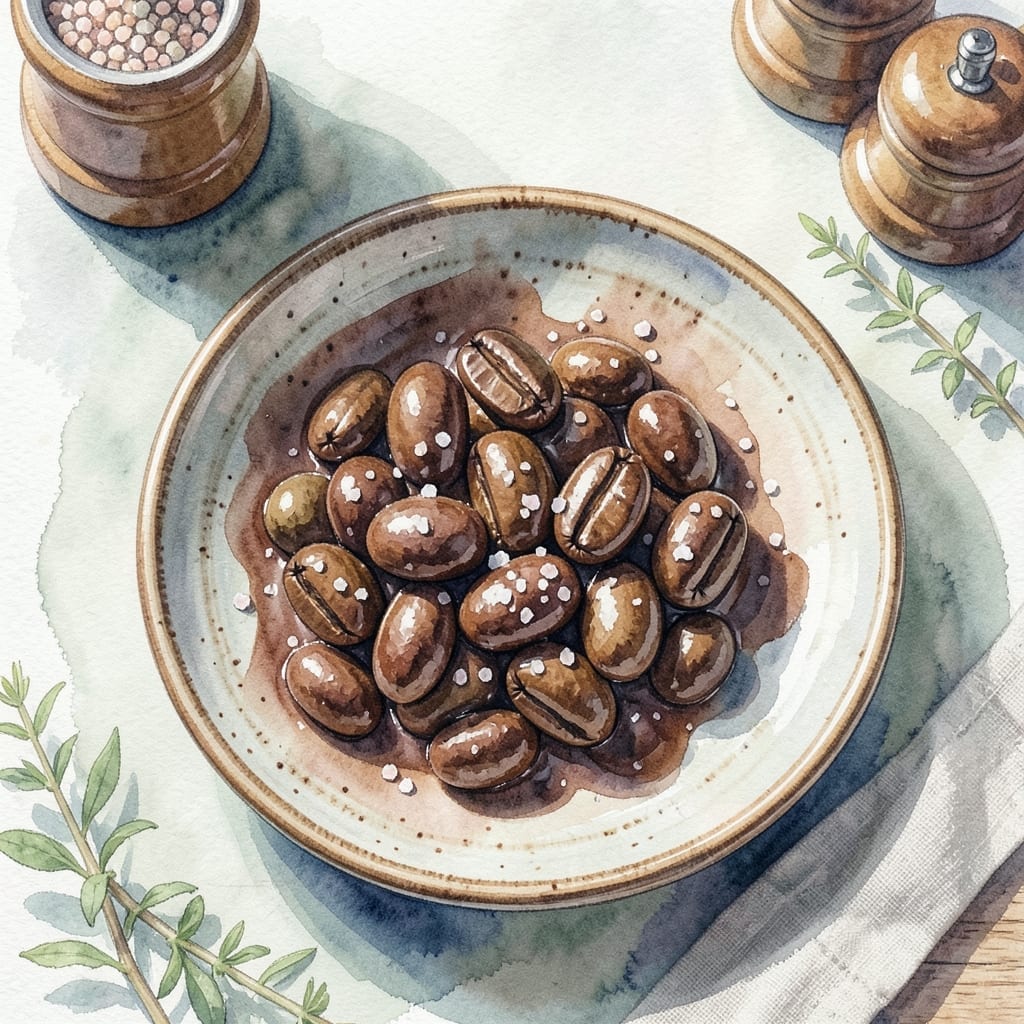
There’s a simple pleasure in the contrast between crunchy coffee beans and smooth chocolate, and this recipe captures it perfectly. I’ve refined the method to ensure every bite delivers that signature snap and rich flavor.
The process involves tempering chocolate for a glossy finish and even coating, then letting the beans set until firm. This creates a professional-quality treat with minimal effort and maximum satisfaction.
You’ll end up with beans that are as beautiful as they are delicious—smooth, bittersweet chocolate encasing a bold coffee center. Each one offers a satisfying crunch followed by a deep, roasted finish.
Ideal for gifting, snacking, or serving after dinner. Here’s how to make them right at home.
Ingredients for Recipe for Chocolate Covered Coffee Beans
These refined ingredients create a luxurious contrast of textures and flavors in every bite.
| Ingredient | Amount | Notes |
|---|---|---|
| Roasted Coffee Beans ☕ | 2 cups | Whole bean, dark roast preferred |
| Bittersweet Chocolate 🍫 | 12 oz | High-quality, 70% cocoa minimum |
| Cocoa Butter 🧈 | 2 tbsp | Optional for tempering stability |
| Vanilla Extract 🌿 | 1 tsp | Pure extract for depth |
| Sea Salt 🧂 | ¼ tsp | Flaky variety for garnish |
| Granulated Sugar 🍚 | 1 tbsp | Optional for sweetness adjustment |
| Espresso Powder ☕ | 1 tsp | Enhances chocolate-coffee synergy |
| Unsalted Butter 🧈 | 1 tsp | For glossy chocolate finish |
| Heavy Cream 🥛 | 2 tbsp | Optional for silky texture |
| Cinnamon 🌿 | 0.125 tsp | Optional warm spice note |
The chocolate quality is paramount here. Ghirardelli or Guittard bittersweet bars provide the ideal cocoa content and smooth melt. For coffee beans, freshly roasted dark beans from a local roaster deliver the boldest crunch and flavor. Avoid pre-ground beans—they lack the necessary texture. Whole Foods and Trader Joe’s carry excellent options for both.
Substitute milk chocolate for a sweeter profile (reduce added sugar). No espresso powder? Instant coffee granules at half the amount work in a pinch. For tempering without cocoa butter, seed a portion of the chocolate (grate 1 oz and add to melted chocolate). The vanilla can be omitted, but it adds a subtle depth that complements the bittersweet notes.
Store in an airtight container at room temperature for up to 2 weeks. Avoid refrigeration, as it can cause condensation and sugar bloom. For gifting, layer between parchment paper in a sealed tin. The chocolate will soften slightly in warm environments but re-firm when cool.
Why You’ll Love This Recipe
- Melts in Minutes: I just temper the chocolate, dip, and set—no baking, no fuss, and I’m done before the coffee brews.
- Bitter Meets Sweet: That first crunch of dark chocolate giving way to the bold coffee bean? Honestly, it’s my new 3 p.m. ritual.
- Hostess Hero: I stash a batch in the fridge and pull them out for book club or last-minute gifts—always disappears first.
- Pantry MVP: A bag of beans and a chocolate bar are all I need. Between us, it’s cheaper than buying fancy truffles and twice as impressive.
Step-by-Step Instructions for Chocolate Covered Coffee Beans
Achieve professional-quality confections with precise tempering and careful layering techniques.
Step 1: Temper the Bittersweet Chocolate
Finely chop the 12 oz Bittersweet Chocolate and combine it with the 2 tbsp Cocoa Butter in a heatproof bowl. This ratio ensures a stable temper for glossy, snappy chocolate shells.
Melt two-thirds of the mixture over a double boiler at 115-120°F, stirring constantly with a silicone spatula. Remove from heat and gradually add the remaining one-third of chocolate, stirring until fully melted and smooth. The temperature should drop to 88-90°F for proper tempering.
Test by spreading a small amount on parchment paper—it should set within 3-5 minutes with a glossy finish and sharp snap when broken.
Step 2: Prepare the Coffee Bean Enhancement
In a small bowl, combine the 2 cups Roasted Coffee Beans with the 1 tsp Espresso Powder, 1 tbsp Granulated Sugar, and 0.125 tsp Cinnamon. Toss gently to coat the beans evenly—this intensifies the coffee flavor and adds subtle sweetness.
Spread the seasoned beans on a parchment-lined baking sheet. Lightly toast in a 300°F oven for 5 minutes to enhance aroma and ensure the spices adhere properly. Let cool completely before dipping.
Step 3: Dip and Coat the Coffee Beans
Working quickly while the chocolate remains in temper, drop a handful of prepared beans into the melted chocolate. Use a fork to roll them, ensuring complete coverage. Tap the fork on the bowl edge to remove excess chocolate.
Transfer the coated beans to a fresh parchment-lined sheet. Before the chocolate sets, sprinkle with 0.25 tsp Sea Salt for a sophisticated contrast. Repeat in batches, maintaining the chocolate’s temperature between 88-90°F.
Step 4: Set and Finish the Confections
Allow the chocolate-covered beans to set at room temperature for 20-25 minutes until firm to the touch. For added shine, melt the 1 tsp Unsalted Butter with 2 tbsp Heavy Cream and drizzle lightly over the beans, then add a drop of 1 tsp Vanilla Extract to the remaining chocolate for a final glossy layer.
Store in a single layer in an airtight container at cool room temperature for up to 1 week. The beans should have a glossy exterior and a satisfying crunch when bitten.
Pro Tips For Making Recipe For Chocolate Covered Coffee Beans
- Temper the Chocolate: Melt the chocolate and cocoa butter together over a double boiler, keeping the temperature between 113-118°F to avoid seizing or burning—I learned this the hard way after ruining two batches with direct heat.
- Dry the Beans: Spread your roasted coffee beans on a baking sheet for 10 minutes to remove any residual oils, or the chocolate won’t stick properly.
- Skip the Refrigerator: Let the chocolate-covered beans set at room temperature for about 30 minutes; refrigerating them causes the chocolate to sweat and lose its shine.
- Add Salt Last: Sprinkle the sea salt on the beans just after dipping, before the chocolate sets, so it adheres evenly and doesn’t sink to the bottom.
Troubleshooting recipe for chocolate covered coffee beans
Chocolate Not Setting
If your chocolate stays soft or streaky, it likely wasn’t properly tempered. Reheat the chocolate to 115°F and retemper by adding 1 oz of finely chopped chocolate at a time, stirring until it reaches 88-90°F. This should restore the proper crystal structure for a firm, glossy finish. 💡
Beans Sinking in Chocolate
If beans sink to the bottom of your dipping bowl, your chocolate may be too thin. Add 1-2 tbsp more chopped chocolate to thicken it. Also, work in smaller batches to prevent overloading the chocolate, which can cause temperature drops.
Dull or Streaky Finish
A dull finish usually means the chocolate wasn’t tempered correctly or cooled too quickly. Ensure your workspace is at room temperature (around 70°F). If the issue persists, try retempering with a fresh batch of chocolate.
Coffee Beans Too Bitter
If the coffee flavor overpowers the chocolate, reduce the espresso powder to ½ tsp or skip it entirely. You can also balance the bitterness by adding an extra ½ tbsp of granulated sugar to the bean mixture before coating.
Chocolate Seizing Up
If the chocolate becomes thick and grainy, it may have come into contact with water. Start over with fresh chocolate, ensuring all utensils and the double boiler are completely dry. Avoid using wooden spoons, as they can retain moisture.
Uneven Coating
For a smoother, more even coat, use a fork to roll the beans gently in the chocolate rather than stirring them. Tap the fork on the edge of the bowl to remove excess, ensuring a thin, uniform layer. Work quickly to maintain the chocolate’s temper. ✨
Nutrition Facts
Frequently Asked Questions
Can I use milk chocolate instead of bittersweet?
Yes, but reduce any added sugar since milk chocolate is sweeter. It will create a creamier coating with a milder contrast to the coffee.
Why do I need to temper the chocolate?
Tempering ensures a glossy finish and that satisfying snap when bitten. Without it, your coating may look dull or melt too easily.
How long will these stay fresh?
Stored in an airtight container at room temperature, they’ll keep for up to 2 weeks. Avoid refrigeration to prevent condensation.
Can I use decaf coffee beans?
Decaf beans work just as well. The flavor difference is minimal, making this a great option for those avoiding caffeine.

- BBQ Sausage Recipe Oven: Smoky Depth Without the Grill - September 28, 2026
- BBQ Chicken Bowl Recipe Rice: Smoky Sweetness Over Fluffy Grains - September 28, 2026
- Beef Cutlet Recipe Ideas: Crispy Breaded Patties With Bold Seasonings - September 28, 2026