
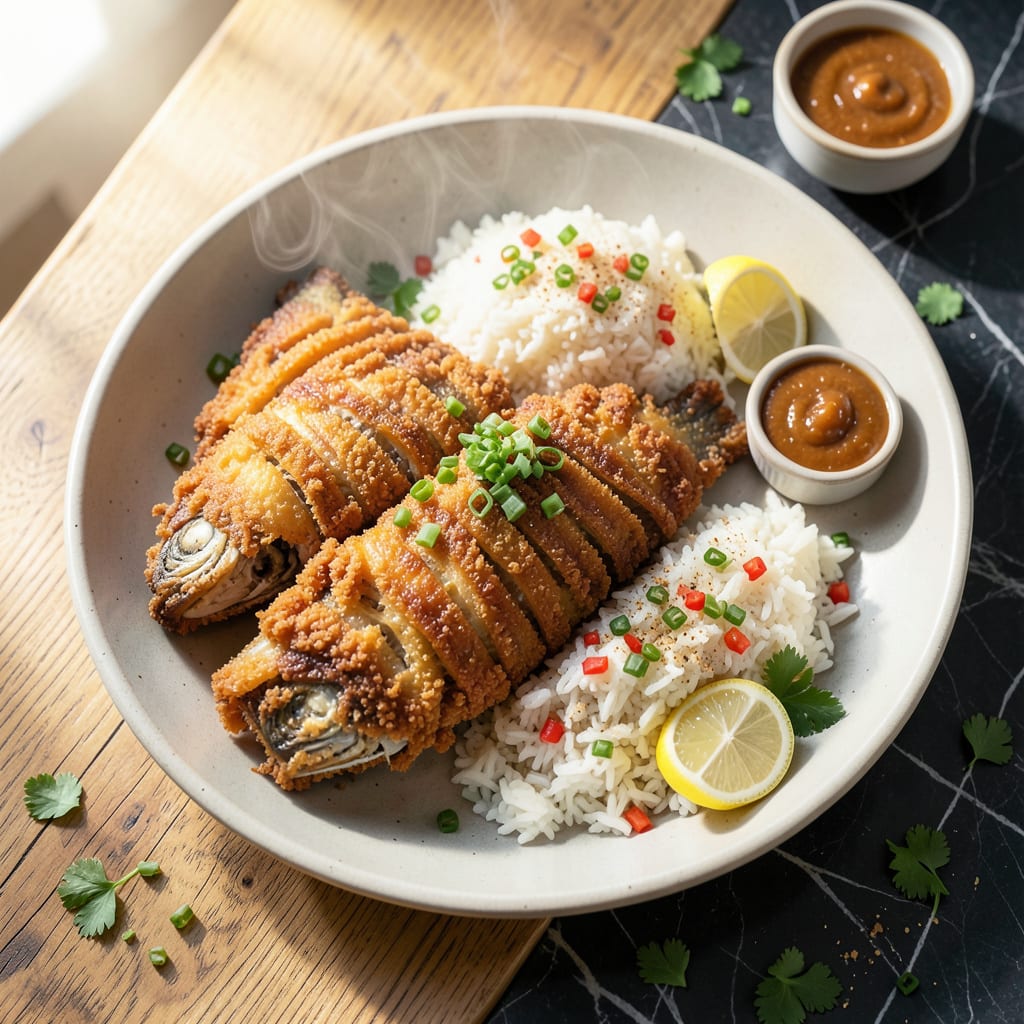
This beer-infused batter transforms ordinary fish into a crispy, golden masterpiece with minimal effort. The carbonation in beer creates air pockets that expand during frying, yielding an ultra-light, shatteringly crispy coating that stays crunchy long after cooking.
I’ve tested countless ratios to perfect this method, which delivers restaurant-quality results at home. The key is cold beer and hot oil—this temperature contrast locks in moisture while achieving that signature crispy texture every time.
Ingredients for Recipe for Fried Fish Batter
Standard pantry items plus beer create this ultra-light, shatteringly crispy coating for fish.
| Ingredient | Amount | Notes |
|---|---|---|
| All-Purpose Flour 🌾 | 2 cups | Sifted for lighter texture |
| Cornstarch 🌽 | ½ cup | For extra crispiness |
| Baking Powder 🧂 | 2 tsp | Ensures airy batter |
| Cold Beer 🍺 | 12 oz | Lager or pale ale recommended |
| Salt 🧂 | 1 ½ tsp | Diamond Crystal kosher preferred |
| Garlic Powder 🧄 | 1 tsp | Freshly opened for potency |
| Onion Powder 🧅 | 1 tsp | Balances flavor profile |
| Paprika 🌶️ | 1 tsp | Sweet or smoked variety |
| Black Pepper 🌶️ | ½ tsp | Freshly ground for best results |
| White Fish Fillets 🐟 | 1 ½ lb | Cod or haddock, skinless |
| Vegetable Oil 🫒 | 4 cups | For deep frying, high smoke point |
| Lemon Wedges 🍋 | 4 pieces | For serving, fresh |
The beer is critical here. Cold lager or pale ale provides the right carbonation level—avoid dark beers as they can impart unwanted bitterness. All-purpose flour from King Arthur or Gold Medal gives consistent results. Cornstarch from the Asian market aisle (often labeled as corn flour) is finer and yields superior crispiness compared to grocery store brands.
No beer on hand? Cold sparkling water with 1 tsp vinegar mimics the carbonation effect. Swap cornstarch for arrowroot powder at equal amounts if needed. For gluten-free, use rice flour plus 1/4 cup additional cornstarch. The paprika can be omitted, but it adds vital color—smoked paprika deepens the flavor profile significantly.
Batter works best immediately after mixing. Prepared fish keeps 2-3 days refrigerated but loses crispiness—reheat in a 400°F oven for 10 minutes to revive. Unused flour mixture doesn’t store well; discard after use.
Why You’ll Love This Recipe
- Mix and Fry: I just dump the flour, cornstarch, baking powder, and cold beer in a bowl—no whisking for hours, no resting time.
- Crispy Magic: That beer in the batter makes the coating so light it shatters with every bite.
- Weeknight Hero: I’ve served this battered fish for casual dinners, backyard picnics, and even a last-minute get-together.
- Budget Friendly: A handful of pantry staples and a cheap beer—feeds four for less than a takeout order.
Step-by-Step Instructions for Beer-Battered Fried Fish
Achieve the crispest coating with this professional technique that guarantees golden, airy results.
Step 1: Prepare the Dry Batter Base
In a large mixing bowl, whisk together the 2 cups All-Purpose Flour, 0.5 cup Cornstarch, 2 tsp Baking Powder, 1.5 tsp Salt, 1 tsp Garlic Powder, 1 tsp Onion Powder, 1 tsp Paprika, and 0.5 tsp Black Pepper until fully combined. The cornstarch is critical for that extra-crisp texture, while the baking powder ensures the batter stays light and airy.
I sift the dry ingredients first to eliminate lumps and create a smoother batter. This step prevents dense spots in your coating, which could lead to uneven frying. Set this mixture aside while you prepare the remaining components.
Step 2: Create the Beer Batter
Slowly pour the 12 oz Cold Beer into the dry mixture while whisking continuously. The beer should be as cold as possible—this helps create a lighter, crispier batter. Use a lager or pale ale for the best flavor and carbonation.
Whisk just until the batter comes together with a few small lumps remaining. Overmixing develops gluten, which makes the coating tough rather than delicate. The consistency should resemble thick pancake batter, coating the back of a spoon but still flowing easily. If it’s too thin, the coating won’t adhere properly to the white fish fillets.
Step 3: Heat the Oil and Prep the Fish
In a deep, heavy-bottomed pot or Dutch oven, heat the 4 cups Vegetable Oil to 350-375°F. Use a deep-fry thermometer for accuracy—oil that’s too cool will make the batter greasy, while oil that’s too hot will burn the exterior before the fish cooks through.
While the oil heats, pat the 1.5 lb White Fish Fillets completely dry with paper towels. Any moisture on the surface will cause the batter to slide off during frying. Cut the fillets into even portions if they’re large, ensuring they’ll cook uniformly. The fish should be at room temperature before dipping to prevent the oil temperature from dropping too much when you add it.
Step 4: Fry to Golden Perfection
Dip each fillet into the batter, letting any excess drip off for a few seconds before carefully lowering it into the hot oil. Don’t overcrowd the pot—fry in batches if necessary to maintain the oil temperature. The batter should sizzle immediately upon contact with the oil.
Fry for 3-4 minutes per side until the coating is deep golden brown and crisp. The fish is done when it flakes easily with a fork and the internal temperature reaches 145°F. Use a slotted spoon to transfer the fried fish to a wire rack set over a paper towel-lined baking sheet. This setup keeps the coating crisp by allowing air to circulate underneath.
Step 5: Serve Immediately
Let the fried fish drain for 1-2 minutes before serving. Spritz with a little fresh lemon juice from the 4 pieces Lemon Wedges just before eating to cut through the richness. The contrast between the crisp, golden exterior and the flaky, tender fish inside should be perfect.
Serve immediately while hot—the batter loses its crispness as it cools. The lemon wedges add a bright finish that complements the rich, savory notes of the beer batter. This technique ensures every bite delivers that ultra-crispy texture promised in the title.
Pro Tips For Making Recipe For Fried Fish Batter
- Chill the Beer: Use ice-cold beer straight from the fridge—warm beer makes a dense, gummy batter. I learned this the hard way after my first few batches turned out like pancakes.
- Skip the Overmixing: Stir just until the dry ingredients disappear; lumps are fine. Overworking the batter develops gluten, and your fish will end up tough instead of crisp.
- Rest Before Frying: Let the batter sit for 10 minutes after mixing—it thickens slightly and clings better to the fish. Sounds weird, but it actually changes the outcome.
- Double-Coat for Crunch: Dip the fish in flour first, then the batter, for an extra-crispy crust. My grandmother swore by this, and she was right.
Common Mistakes When Making Great recipe for fried fish batter
Wrong Oil Temperature
Using oil that’s not hot enough (below 350°F) creates a greasy, soggy coating instead of that coveted crispiness. I always use a deep-fry thermometer to monitor temperature. Oil that’s too hot (above 375°F) will burn the batter before the fish cooks through. 🌡️
Overmixing the Batter
Whisking the beer batter too much develops gluten, resulting in a tough, dense coating. Stop mixing as soon as it comes together with a few small lumps. The batter should be thick but still flow easily off a spoon.
Wet Fish Fillets
Pat the white fish fillets completely dry with paper towels before dipping. Any moisture prevents the batter from adhering properly, causing it to slide off during frying. I always double-check each fillet.
Overcrowding the Pot
Frying too many fillets at once lowers the oil temperature, leading to uneven cooking and a greasy texture. Fry in batches, giving each piece enough space. This ensures the oil stays at the right temperature for crispy results.
Skipping the Rest
Letting the batter rest for 5-10 minutes before using allows the flour to hydrate fully. This creates a smoother, crispier coating. I’ve found this small step makes a noticeable difference in texture.
Using the Wrong Beer
Avoid dark beers or stouts—they can make the batter bitter. Stick with cold lager or pale ale for the best flavor and carbonation. The carbonation is key for creating those air pockets that make the coating so crispy. 🍺
Nutrition Facts
Frequently Asked Questions
Can I use sparkling water instead of beer?
Yes! Use cold sparkling water with 1 tsp vinegar to mimic beer’s carbonation. The result will be slightly less flavorful but still crispy.
What’s the best oil temperature?
Keep oil between 350-375°F. Below 350°F creates greasiness; above 375°F burns the batter. Use a thermometer for accuracy.
How do I keep the batter crispy?
Drain on a wire rack, not paper towels, to allow air circulation. Reheat in a 400°F oven for 10 minutes if needed.
Can I make this gluten-free?
Swap flour for rice flour and add 1/4 cup extra cornstarch. The texture will differ slightly but still be crispy.

- BBQ Sausage Recipe Oven: Smoky Depth Without the Grill - September 28, 2026
- BBQ Chicken Bowl Recipe Rice: Smoky Sweetness Over Fluffy Grains - September 28, 2026
- Beef Cutlet Recipe Ideas: Crispy Breaded Patties With Bold Seasonings - September 28, 2026