
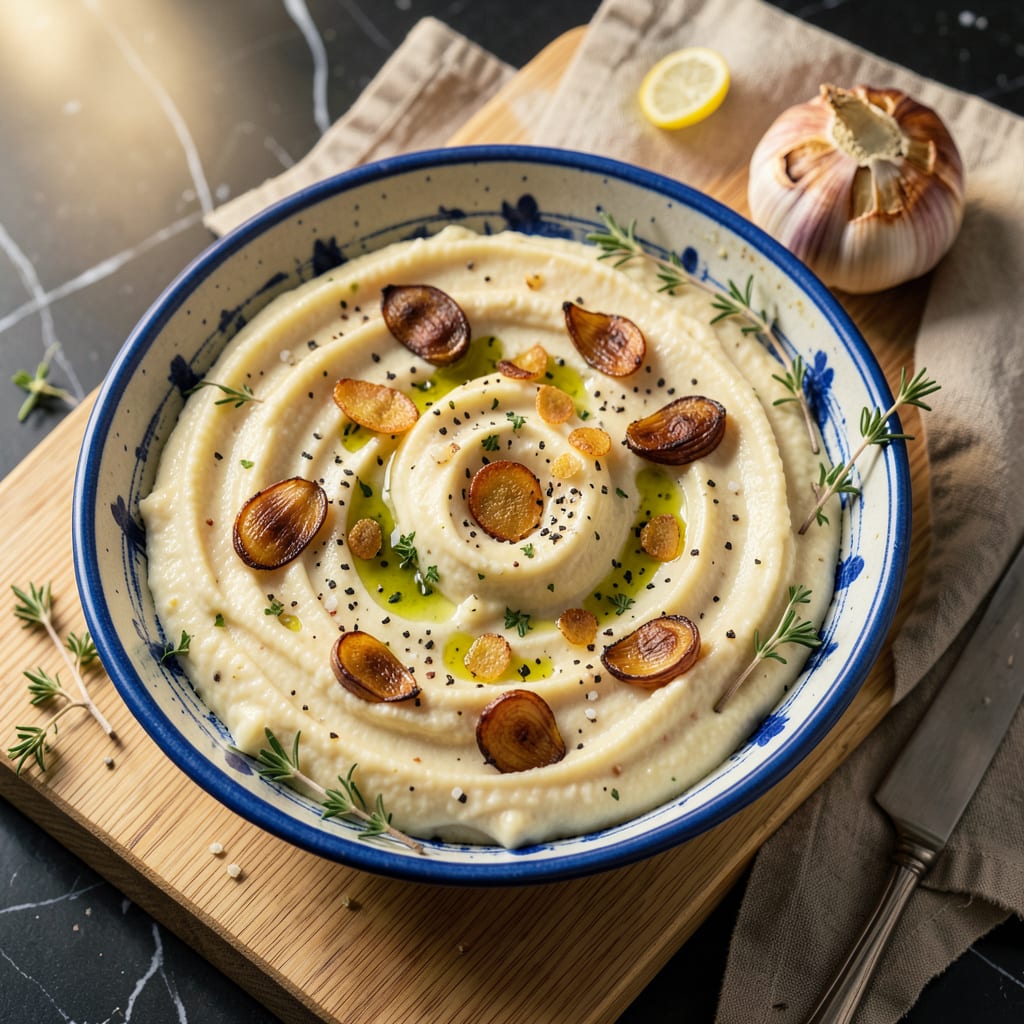
Combine ½ cup softened butter, 4 minced garlic cloves, 2 tbsp fresh parsley, ¼ tsp salt, and ⅛ tsp black pepper. Mix until smooth for a classic garlic bread spread ready in minutes.
The magic of this simple blend lies in how the ingredients work together. 🔥 The garlic infuses the butter with its aromatic oils, while the parsley adds a bright, fresh contrast that cuts through the richness. I always recommend using room-temperature butter for easier mixing and smoother texture—this ensures the flavors distribute evenly without separating.
What makes this spread so versatile is its ability to transform ordinary dishes. Beyond garlic bread, I’ve used it to elevate grilled corn, as a base for garlic shrimp pasta, or even as a quick topping for baked potatoes. The key is balancing the garlic intensity—fresh cloves give a sharper bite, while roasted garlic would mellow the flavor profile.
💡 In This Article
- Key Ingredients That Perfect Garlic Bread Spread
- Creative Ways to Use Garlic Bread Spread Beyond Bread
Key Ingredients That Perfect Garlic Bread Spread
The foundation of any great garlic bread spread starts with butter’s fat content—ideally around 80-82% in European-style butter. This higher fat percentage creates a richer mouthfeel compared to standard butter (which contains more water). When softened to 65-68°F, the butter becomes pliable enough to fully incorporate other ingredients without separating.
The fat molecules act as carriers for the garlic’s aromatic compounds, ensuring every bite delivers consistent flavor.
Fresh garlic contains allicin, the compound responsible for its pungent aroma and health benefits. When minced, garlic releases enzymes that convert alliin into allicin—this reaction peaks within 10 minutes of chopping. The heat from mixing with warm butter accelerates this process, creating that signature garlicky punch.
🔥 Fresh parsley adds more than color; its volatile oils (like myrcene and limonene) provide a bright, slightly citrusy contrast that balances the richness.
Salt isn’t just for seasoning—it performs two critical roles. First, it enhances flavor perception by suppressing bitterness while amplifying savory notes. Second, at just ¼ teaspoon per ½ cup butter, it helps stabilize the emulsion, preventing the spread from separating during storage.
The black pepper adds subtle warmth and piquancy, with its piperine compound stimulating taste buds to better perceive all the other flavors.
For those wanting to elevate their spread, consider these science-backed additions:
- Parmesan cheese: Adds umami from glutamic acid (use 2-3 tablespoons finely grated)
- Lemon zest: Brightens with limonene (about ½ teaspoon per batch)
- Red pepper flakes: Introduces capsaicin for heat (⅛ teaspoon for mild warmth)
The ratio of ingredients matters because garlic’s potency varies. Four medium cloves typically yield about 1½ tablespoons when minced—enough to provide bold flavor without overwhelming. Fresh parsley should be finely chopped (not just torn) to release its essential oils.
The spread’s final texture should coat the back of a spoon smoothly, indicating proper emulsification between the fat and water-based ingredients.
Temperature control during preparation prevents common mistakes. Butter that’s too cold creates a grainy texture, while overheated butter causes the spread to become greasy. The ideal mixing temperature range is 60-70°F, where the butter holds its structure but blends easily.
This is why I always recommend taking butter out of the fridge 30-45 minutes before starting—it makes all the difference in achieving that perfect, creamy consistency. ✨

- BBQ Oysters Recipe Grill: Smoky Garlic Butter Bliss - September 28, 2026
- Crock Pot Mac and Cheese Recipe Paula Deen: Ultra Creamy Southern-Style Comfort - September 28, 2026
- Beyond Burger Recipe Ideas: Plant-Based Creativity for Every Meal - September 28, 2026