
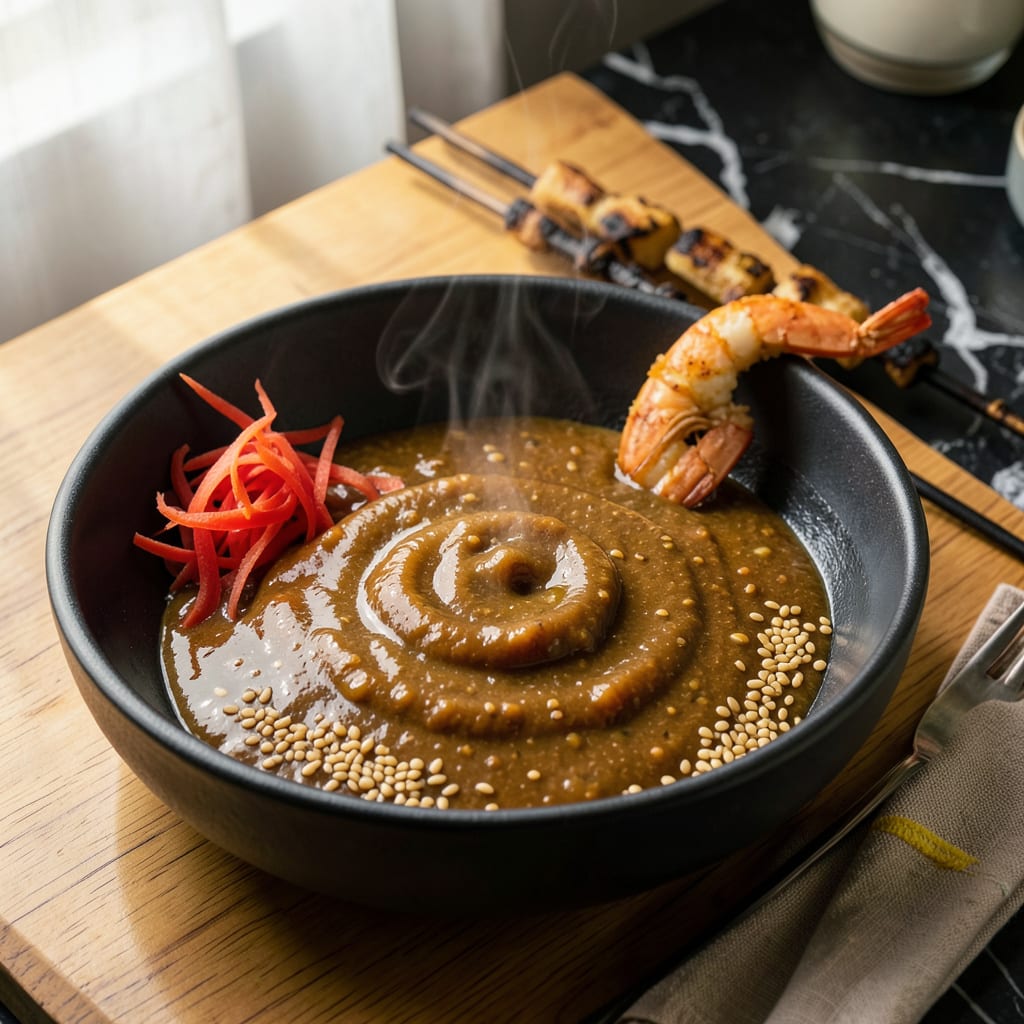
Hibachi sauce blends mayonnaise, soy sauce, lemon juice, garlic, and sesame oil for a creamy, umami-rich condiment. Whisk 1 cup mayo, 2 tbsp soy sauce, 1 tbsp lemon juice, 1 tsp garlic powder, and 1 tsp sesame oil for an authentic restaurant-style flavor.
This simple yet powerful combination transforms basic ingredients into a versatile sauce that elevates any dish. 🔥 The magic lies in how the soy sauce and sesame oil create that signature umami punch, while the lemon juice cuts through the richness of the mayo for perfect balance. I love how easily this adapts—add a dash of sriracha for heat or a sprinkle of ginger for extra depth, making it your own signature flavor.
What sets homemade versions apart is the freshness and control over ingredients. ✨ No preservatives or artificial flavors—just pure, bold taste that pairs beautifully with grilled meats, seafood, or even as a dipping sauce for veggies. The best part? It takes less than 5 minutes to whip up, and you likely already have everything in your pantry.
💡 In This Article
- Key Ingredients That Define Authentic Hibachi Sauce
- Customizing and Storing Your Homemade Hibachi Sauce
Key Ingredients That Define Authentic Hibachi Sauce
The foundation of this sauce starts with mayonnaise, which provides that signature velvety texture and acts as an emulsifier to bind all the flavors together. 🔥 The fat content in mayo (about 70-80%) creates a smooth mouthfeel that coats ingredients beautifully, unlike thinner sauces that slide right off your food.
Japanese-style Kewpie mayo is often used in restaurants for its slightly sweeter, tangier profile thanks to rice vinegar in the ingredients.
Soy sauce delivers the umami backbone, contributing glutamates that make your taste buds perceive depth and richness. Traditional hibachi sauces use 1-2 tablespoons per cup of mayo, which is enough to add complexity without overpowering. The fermentation process of soy sauce (typically 6 months for quality brands) develops over 300 flavor compounds, including caramelized notes from the aged wheat and soybeans.
Bright lemon juice (about 1 tablespoon per cup) cuts through the richness with its citric acid, which also helps preserve the sauce naturally. This acidity level (pH ~2) is crucial—it balances the fat while preventing the sauce from tasting flat.
The volatile oils in fresh lemon zest add an extra aromatic layer that bottled juice can’t replicate, which is why I always recommend using freshly squeezed.
Garlic powder (not fresh garlic) is the secret to consistent flavor distribution—its fine particles disperse evenly without the risk of raw garlic’s harsh bite. A mere 1 teaspoon is enough because the dehydrated form concentrates the allicin compounds that give garlic its punch. For those who love heat, adding ½ teaspoon cayenne or 1 teaspoon sriracha introduces capsaicin that binds to the sauce’s fats for lingering warmth.
The finishing touch comes from toasted sesame oil, where just 1 teaspoon contributes more than 50 aromatic compounds from the roasted sesame seeds. This oil’s low smoke point means it’s added last to preserve its delicate nutty, almost smoky notes.
High-quality sesame oil should be dark amber and have a pronounced aroma—cheaper versions often use diluted blends that lack depth.
Modern twists might include 1 teaspoon grated ginger for zing or 1 tablespoon honey for sweetness, but traditional versions keep it simple. The ratio of these ingredients creates a sauce with about 25-30% fat content, which is ideal for clinging to grilled proteins without being greasy.
This balance is why it works equally well as a marinade, dipping sauce, or finishing drizzle. ✨

- BBQ Sausage Recipe Oven: Smoky Depth Without the Grill - September 28, 2026
- BBQ Chicken Bowl Recipe Rice: Smoky Sweetness Over Fluffy Grains - September 28, 2026
- Beef Cutlet Recipe Ideas: Crispy Breaded Patties With Bold Seasonings - September 28, 2026