
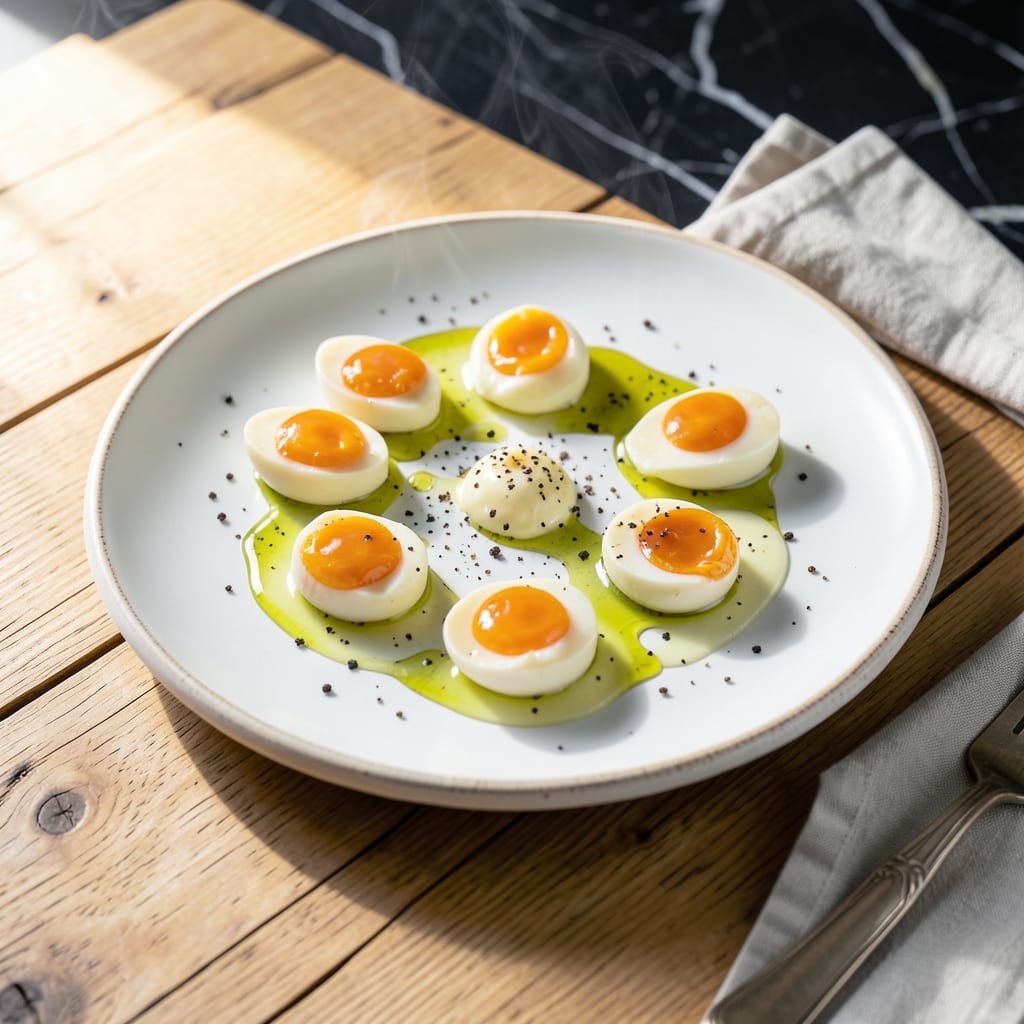
There’s a unique satisfaction in cooking with quail eggs—their delicate shells and rich, buttery yolks elevate any breakfast. This recipe delivers fast results with minimal effort, transforming a simple dish into something extraordinary.
I’ve tested multiple methods, and the secret lies in gentle heat to avoid overcooking these tiny gems. Whether you boil, fry, or poach them, the process takes just 5 minutes from start to finish.
The final product is bite-sized elegance: tender whites and creamy yolks that burst with flavor. Their small size makes them perfect for garnishing salads, topping toast, or serving as a standalone delicacy.
No special tools are needed—just precision and patience. Here’s how to master the art of cooking quail eggs at home.
Ingredients for Recipe for Quail Eggs
Delicate eggs and simple seasonings create this bite-sized breakfast in minutes.
| Ingredient | Amount | Notes |
|---|---|---|
| Quail Eggs 🥚 | 12 whole | Fresh, room temperature preferred |
| Unsalted Butter 🧈 | 2 tbsp | For frying or basting |
| Extra-Virgin Olive Oil 🫒 | 1 tbsp | Light flavor, for poaching |
| Sea Salt 🧂 | ½ tsp | Fine grain, adjust to taste |
| Freshly Ground Black Pepper 🌶️ | ¼ tsp | Coarse grind preferred |
| White Vinegar 💧 | 1 tbsp | For poaching water |
| Fresh Chives 🌿 | 1 tbsp | Finely chopped, for garnish |
| Fresh Dill 🍃 | 1 tsp | Chopped, optional garnish |
| Lemon Zest 🍋 | ½ tsp | Finely grated, optional |
| Water 💧 | 2 cups | For boiling or poaching |
Quail eggs are the star here. Look for them at Asian markets or specialty grocers—they’re often sold in the refrigerated section near other poultry. Freshness matters, so check the pack date. I’ve had the best luck at H Mart (they carry them regularly). If they’re not room temp, soak in warm water for 10 minutes before cooking to prevent cracking.
No quail eggs? Chicken eggs work in a pinch, but adjust cook times (they’ll take longer). Swap butter for olive oil if avoiding dairy. The vinegar in poaching water helps whites set faster—apple cider vinegar works too. Fresh herbs can be swapped: try tarragon or parsley instead of chives. The zest? Skip it if you don’t have lemons.
Cooked quail eggs keep in the fridge for 2-3 days in a sealed container. Best served fresh though—the yolks are creamiest right after cooking. Prep any garnishes while they cook (that’s your 5-minute window).
Why You’ll Love This Recipe
- 5-Minute Breakfast: I can fry a dozen quail eggs in butter and oil faster than my coffee brews.
- Rich & Buttery: That golden yolk with a touch of sea salt and cracked pepper is ridiculously good.
- Fancy Appetizer: I serve these on toast points at brunch and everyone thinks I slaved for hours.
- Budget Stretcher: A little butter and a handful of eggs feed four of us without breaking the bank.
Step-by-Step Instructions for Quail Eggs
Here’s how to prepare these delicate eggs perfectly every time, with minimal effort.
Step 1: Poach the Quail Eggs to Silky Perfection
Bring the 2 cups water and 1 tbsp white vinegar to a gentle simmer in a small saucepan. The vinegar helps the whites coagulate quickly. Crack each quail egg into a small ramekin—this gives you better control when sliding them into the water.
Create a gentle whirlpool in the water with a spoon, then carefully slide in 3-4 quail eggs at a time. Poach for 2 minutes until the whites are set but yolks remain runny. The whites should appear just firm with a slight jiggle in the center. Use a slotted spoon to transfer eggs to a paper towel-lined plate.
Step 2: Pan-Fry for a Rich, Buttery Finish
Heat the 2 tbsp unsalted butter and 1 tbsp extra-virgin olive oil in a nonstick skillet over medium-low heat. The butter adds richness while the oil prevents burning. Once the butter foams but doesn’t brown, carefully add 6 quail eggs directly from their shells.
Cook for 1-2 minutes until the whites are completely set and edges become lightly golden. For over-easy style, add a splash of water and cover for 30 seconds to lightly cook the tops. Season immediately with 0.5 tsp sea salt and 0.25 tsp freshly ground black pepper.
Step 3: Garnish and Serve Immediately
Transfer the cooked eggs to a serving plate. Sprinkle with 1 tbsp fresh chives for a mild oniony brightness. The chives should be finely chopped to complement rather than overpower the delicate eggs.
For additional flavor, add the 1 tsp fresh dill and 0.5 tsp lemon zest. These optional garnishes add a fresh, citrusy note that cuts through the richness. Serve immediately while the yolks are still warm and runny—quail eggs cool quickly due to their small size.
Step 4: Repeat for Perfect Consistency
If preparing all 12 quail eggs, work in batches to maintain quality. The poaching water will need refreshing after 2 batches as the vinegar loses effectiveness. Keep cooked eggs warm in a 200°F oven if serving all at once, but no longer than 10 minutes.
I’ve found the key is maintaining that gentle heat—too high and the whites toughen before the yolks set; too low and you’ll end up with watery eggs. The vinegar in the poaching water is non-negotiable for clean, compact whites with these tiny eggs.
Pro Tips For Making Recipe For Quail Eggs
- Lower the Heat: Quail eggs cook in half the time of chicken eggs—keep the pan at medium-low to avoid rubbery yolks. I learned this the hard way after ruining a batch with high heat.
- Use Room-Temp Eggs: Take the eggs out of the fridge 10 minutes before cooking. Cold quail eggs crack too easily when they hit a hot pan.
- Salt the Butter: Since you’re using unsalted butter, add a pinch of sea salt to it as it melts. Makes a real difference in flavor balance.
- Skip the Crowding: Cook no more than 4-5 quail eggs at once in a small pan—they’re tiny and need space to cook evenly.
Dietary Considerations for These Flavors
Protein-Packed Power
Quail eggs deliver a serious protein punch with about 1 gram per egg, making them ideal for high-protein diets. A serving of 12 eggs provides roughly 12 grams of complete protein, supporting muscle repair and satiety. I love adding them to post-workout meals for a quick, nutritious boost. 💪
Low-Calorie Option
Each quail egg contains only about 14 calories, so you can enjoy several without guilt. This makes them perfect for calorie-conscious eaters or those following weight management plans. A dozen eggs add just 168 calories to your meal.
Rich in Nutrients
These tiny eggs are packed with vitamins and minerals, including vitamin B12, iron, and selenium. The yolks contain more of these nutrients per gram than chicken eggs, making them a powerhouse for immune and metabolic health.
Allergen Considerations
Quail eggs contain the same proteins as chicken eggs, so they’re not suitable for those with egg allergies. However, some people with mild chicken egg sensitivities tolerate quail eggs better. Always consult a doctor before trying if you have concerns.
Dietary Flexibility
Naturally gluten-free, dairy-free, and keto-friendly, quail eggs fit into most dietary plans. They’re also compatible with paleo and whole30 diets. The only watch-out is the butter in frying—swap for olive oil if avoiding dairy.
Cholesterol Note
While quail eggs do contain cholesterol (about 76mg per egg), recent research shows dietary cholesterol has minimal impact on blood cholesterol for most people. As always, enjoy as part of a balanced diet. 🥗
Nutrition Facts
Frequently Asked Questions
How do I peel them without breaking?
Tap gently on a hard surface, then roll between your fingers to crack the shell all over. Start peeling from the wider end under running water to help separate the membrane. Their delicate shells require more patience than chicken eggs.
Can I hard-boil them like chicken eggs?
Yes, but reduce the time to 3-4 minutes in boiling water. Their small size means they cook much faster. Plunge into ice water immediately to stop cooking and make peeling easier.
What’s the best way to serve them?
Try them halved over toast with a sprinkle of flaky salt, or whole as a garnish for salads. Their small size makes them perfect for canapés or as a fancy topping for ramen.
Why did my poached ones fall apart?
Use very fresh eggs and add 1 tbsp vinegar to the poaching water. The vinegar helps the whites set quickly. Also, maintain a gentle simmer—vigorous boiling will break them apart.

- Peach Syrup Recipe for Ice Cream: Sweet and Silky Drizzle for Scoops - October 6, 2026
- Pav Bhaji Recipe Food Lab: Mumbai Street Food Magic at Home - October 6, 2026
- Peach Jelly Recipe Without Pectin: Naturally Set Sweet Spread - October 6, 2026