
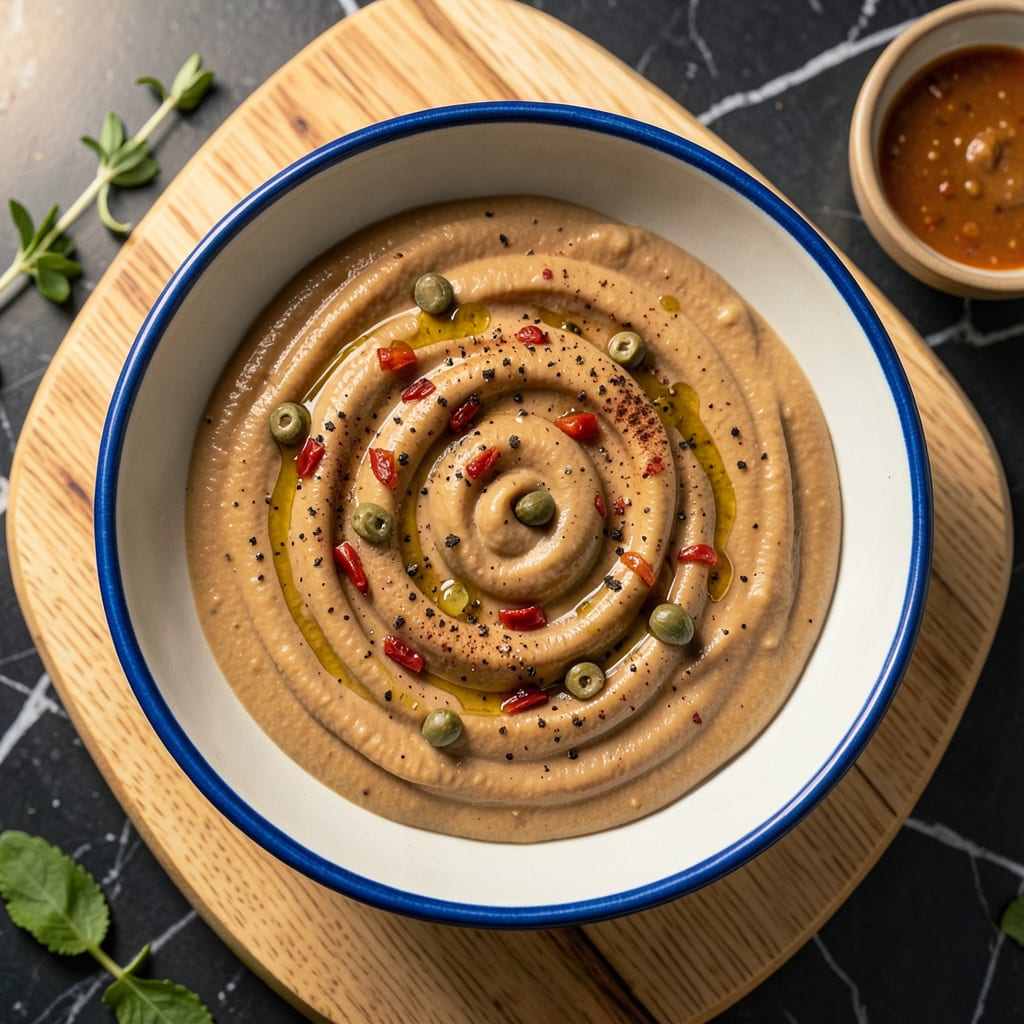
Classic Russian salad dressing combines mayonnaise, ketchup, Worcestershire sauce, horseradish, and lemon juice for a tangy, creamy condiment. Blend 1 cup mayo, 1/2 cup ketchup, 1 tbsp each of the remaining ingredients, then chill before serving.
This bold, versatile dressing bridges sweet and savory with its unique ingredient balance. 🔥 The Worcestershire sauce adds a subtle umami depth that cuts through the richness of the mayonnaise, while horseradish introduces a gentle heat. I’ve found it works beautifully as both a salad topping and a sandwich spread—its creamy texture clings perfectly to crisp lettuce or rye bread. The chilling step is crucial, as it allows the flavors to meld together for a more cohesive taste experience.
💡 In This Article
- Origins and Flavor Science Behind Russian Dressing
- 5 Creative Uses for Russian Dressing Beyond Salads
Origins and Flavor Science Behind Russian Dressing
This dressing’s story begins in early 1900s America, not Russia—it was actually created by New Hampshire chef James E. Colburn in 1910. The name reflects its inspiration from Russian-style mayonnaise-based sauces, which often included caviar or smoked fish.
🌟 The genius lies in how it marries American pantry staples (ketchup, mayo) with European flavors (horseradish, Worcestershire) to create something entirely new.
The flavor profile operates on three key principles: sweetness from ketchup (12g sugar per 2 tbsp), umami depth from Worcestershire (fermented anchovies, molasses), and bright acidity from lemon juice (pH ~2.0).
The horseradish adds allyl isothiocyanate compounds that create a nasal-clearing heat sensation, while mayonnaise’s egg yolks (natural emulsifiers) bind everything into a stable, creamy suspension. This balance explains why it pairs so well with rich foods like seafood or corned beef.
What most people don’t realize is that Russian dressing was originally designed as a sauce for cold seafood platters, not salads. The high fat content (70% from mayo) helps it cling to slippery surfaces like poached shrimp or smoked salmon.
When chilled to 40°F, the dressing thickens slightly due to fat crystallization, making it ideal for drizzling over delicate greens without wilting them. ✨
The dressing’s evolution into a salad staple came later, as American diners sought bolder flavors than traditional vinaigrettes. Its viscosity (similar to heavy cream) allows it to coat ingredients evenly, while the 3:1 fat-to-acid ratio prevents the oil from separating when tossed.
This scientific stability is why it became a favorite for pre-made salad bars in the 1950s—it could sit for hours without breaking.
Modern variations often adjust the sweetness level—some recipes use pickle relish instead of ketchup for tang, while others add smoked paprika for depth. The original 1910 recipe called for chopped hard-boiled eggs, which added protein but reduced shelf life. Today’s versions skip the eggs but maintain the same flavor principles that made it iconic. 💫
Fun fact: The dressing’s pink-orange hue comes from lycopene in tomatoes and beta-carotene in mayo, with an average color wavelength of 620-750nm (red-orange spectrum). This visual appeal contributed to its popularity during the Technicolor film era, when vibrant foods became trendy in American cuisine.

- BBQ Sausage Recipe Oven: Smoky Depth Without the Grill - September 28, 2026
- BBQ Chicken Bowl Recipe Rice: Smoky Sweetness Over Fluffy Grains - September 28, 2026
- Beef Cutlet Recipe Ideas: Crispy Breaded Patties With Bold Seasonings - September 28, 2026