
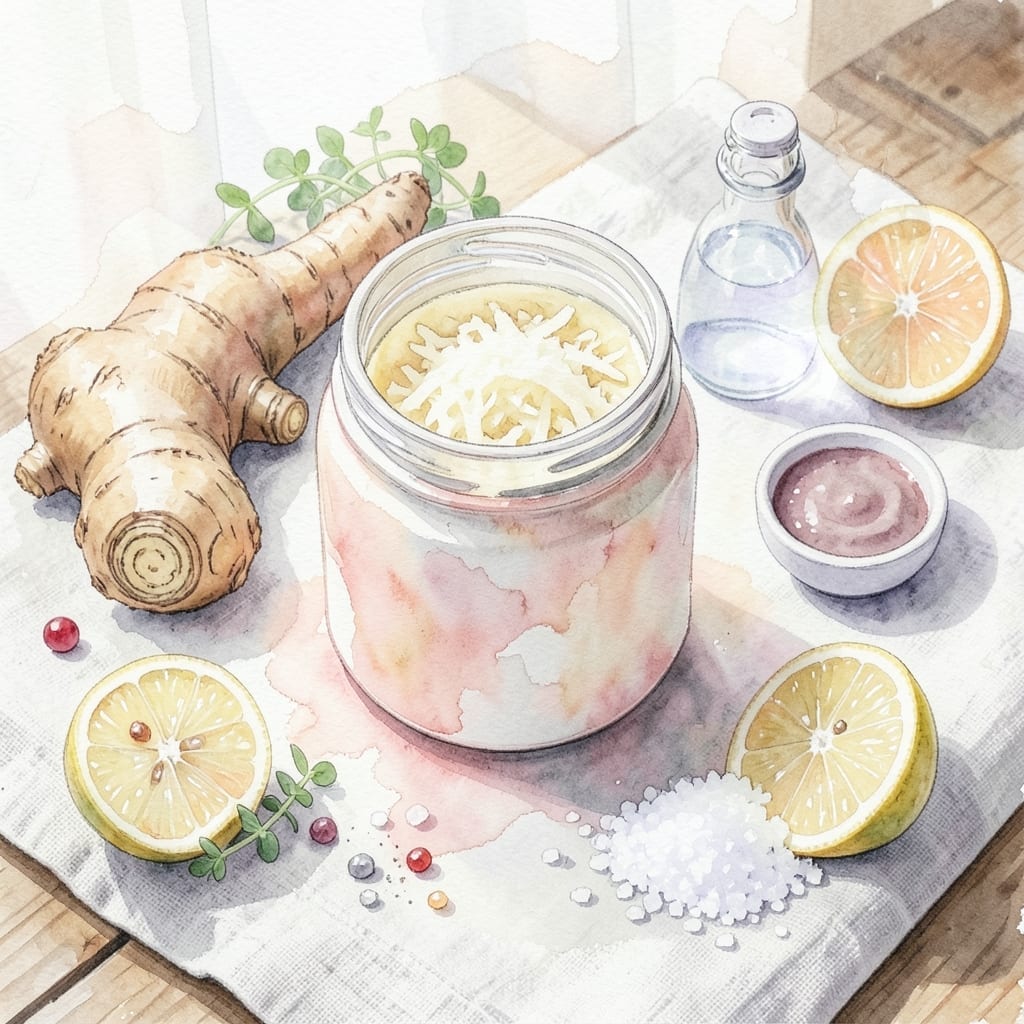
I discovered homemade horseradish by accident when store-bought just wouldn’t cut it. This version packs a serious punch that transforms ordinary dishes into something extraordinary.
With just a few ingredients and 10 minutes of effort, you’ll have a bold, spicy condiment that’s far superior to anything from a jar. The secret is fresh horseradish root—it makes all the difference.
This paste brings heat and brightness to sandwiches, steaks, or even Bloody Marys. The sharpness mellows slightly after a day in the fridge, but the flavor stays vibrant.
Store it in a sealed jar for up to a month. Once you try this, you’ll never go back to the bottled stuff.
Ingredients for Recipe Horseradish
Six ingredients transform fresh horseradish root into bold, fiery paste that outshines any jar.
| Ingredient | Amount | Notes |
|---|---|---|
| Fresh Horseradish Root 🌿 | ½ cup | Peeled and roughly chopped |
| White Vinegar 💧 | ½ cup | Distilled or apple cider |
| Granulated Sugar 🍚 | 1 tbsp | Balances the heat |
| Salt 🧂 | ½ tsp | Kosher or sea salt preferred |
| Lemon Juice 🍋 | 1 tbsp | Freshly squeezed for brightness |
| Prepared Horseradish 🌶️ | 2 tbsp | Optional for extra depth |
The horseradish root is non-negotiable here. Look for firm, unblemished roots at Whole Foods or well-stocked produce sections—avoid anything soft or shriveled. I’ve found the best selection at farmers markets in late fall through spring. The vinegar matters too: distilled white gives the cleanest heat, but apple cider adds a nice fruitiness if you prefer that.
No fresh root? Prepared horseradish in a jar can work in a pinch (use half the amount), but the flavor won’t be as bright. Skip the sugar if you want pure heat, or swap in honey or maple syrup for a touch of sweetness. The lemon juice isn’t just for acidity—it keeps the color vibrant (trust me, it turns an unappealing gray without it).
This keeps for about 1 month in a sealed jar in the fridge. The heat mellows after 24 hours, so make it a day ahead if you prefer a smoother burn. Always use a glass jar—plastic absorbs odors over time.
Why You’ll Love This Recipe
- 5-Minute Mix: I just grate the root, stir in the rest, and it’s done. No fancy techniques.
- Zingy Kick: That fresh horseradish bite with lemon juice cuts through anything—bright and bold.
- Pairs with Everything: I slather it on sandwiches, mix it into dressings, or spoon it next to roast beef.
- Stays Fresh: Honestly, it keeps in the fridge for weeks and only gets better.
Step-by-Step Instructions for Homemade Horseradish
Here’s how to transform fresh root into a fiery condiment with perfect balance and intensity.
Step 1: Prepare and Peel the Fresh Horseradish Root
Begin by thoroughly scrubbing 0.5 cup Fresh Horseradish Root under cold running water to remove any dirt or debris. I use a vegetable brush for stubborn bits—this root grows underground, after all. Trim off both ends before peeling with a sharp vegetable peeler or paring knife.
Real talk: horseradish fumes can be potent, so work near a vent or open window. Once peeled, roughly chop the root into ½-inch pieces—this makes it easier for the food processor to handle. You’ll notice the aroma intensifies as you cut; that’s the pungent compounds releasing.
Step 2: Blend with Vinegar for Optimal Heat Preservation
Place the chopped Fresh Horseradish Root in a food processor along with 0.5 cup White Vinegar. Pulse until finely grated—about 15-20 seconds of pulsing should do it. The vinegar stops the enzymatic reaction that dulls the heat, so adding it immediately preserves that signature punch.
I always use distilled or apple cider vinegar here. The acidity cuts through the sharpness while maintaining the clean, bright flavor we’re after. Scrape down the sides of the processor bowl halfway through to ensure even grating. The mixture should look like coarse sand when finished.
Step 3: Sweeten, Salt, and Add Brightness
Transfer the grated horseradish-vinegar mixture to a medium bowl. Stir in 1 tbsp Granulated Sugar, 0.5 tsp Salt, and 1 tbsp Lemon Juice. The sugar balances the heat, the salt enhances all the flavors, and the lemon juice adds a crucial brightness that lifts the entire mixture.
Use a wooden spoon or silicone spatula to combine everything thoroughly. The texture should be thick but pourable. If you’re including it, now’s the time to add 2 tbsp Prepared Horseradish for an extra layer of complexity—this step deepens the flavor profile significantly.
Step 4: Rest and Develop the Full Flavor
Cover the bowl with plastic wrap and let the mixture sit at room temperature for 10-15 minutes. This resting period allows the flavors to meld and mellow slightly. You’ll notice the aroma becomes more pronounced as the mixture sits.
Taste and adjust seasoning—add a pinch more salt if needed, or a touch more sugar to tame the heat. The texture should be thick but still spoonable. For a smoother consistency, you can pulse it briefly in the food processor again, but I prefer the rustic texture of the grated root.
Step 5: Store and Use Within the Week
Transfer the finished horseradish to a clean glass jar with a tight-fitting lid. It will keep in the refrigerator for up to 1 week, though I find the flavor peaks within the first 3-4 days. The heat will mellow over time, so use it sooner for maximum kick.
This makes enough for 4 servings, perfect for enhancing roast beef, mashed potatoes, or Bloody Marys. Always use a clean, dry spoon when serving to prevent contamination. The color may darken slightly over time, but the flavor remains bold and vibrant.
Pro Tips For Making Recipe Horseradish
- Grate Last Minute: I learned this the hard way—fresh horseradish oxidizes fast. Peel and grate the root right before mixing with vinegar to keep that sharp, bright heat.
- Use Cold Vinegar: After a few batchy tries, I now chill the white vinegar first. It slows the enzyme reaction, giving you a milder, more controlled spice level.
- Skip the Metal: My grandmother swore by this, and she was right: use a glass or ceramic bowl. Metal can react with the horseradish and turn your sauce bitter.
- Add Sugar Last: Sounds weird, but it works: dissolve the sugar in the lemon juice first, then stir into the horseradish mix. It blends smoother and avoids grainy texture.
Dietary Considerations for This Dish
Gluten-Free Assurance
This creation is naturally gluten-free since all ingredients—Fresh Horseradish Root, vinegar, sugar, salt, and lemon juice—contain no wheat or gluten derivatives. I always check vinegar labels to confirm distilled white vinegar, as some specialty vinegars might have additives.
Vegan and Plant-Based
No animal products are used here, making it 100% vegan. The horseradish root provides all the heat without dairy or honey. For strict vegans, confirm your sugar isn’t processed with bone char, though most granulated sugar brands in the US are vegan-friendly.
Low-Calorie Option
With roughly 10 calories per tablespoon, this is a guilt-free way to add bold flavor. The sugar adds minimal calories, and horseradish root itself is nearly calorie-free. I use it liberally on sandwiches without worrying about the calorie count. 💪
Sodium Considerations
Each tablespoon contains about 50mg of sodium, primarily from the 0.5 tsp Salt. To reduce sodium, cut the salt in half or use a low-sodium alternative. The natural pungency means you won’t miss the extra salt.
Allergen Information
This condiment is free from the top 8 allergens (milk, eggs, fish, etc.), but always verify your vinegar and prepared horseradish for hidden additives. Store-bought prepared horseradish might contain sulfites or preservatives.
Sugar-Free Adaptation
For a sugar-free version, simply omit the 1 tbsp Granulated Sugar or replace it with 1 tsp erythritol. The heat will be sharper, but the lemon juice still provides brightness. I’ve made it both ways and prefer the balance sugar brings.
Nutrition Facts
Frequently Asked Questions
How long does fresh horseradish last in the fridge?
Once prepared, it stays fresh for up to 1 month in an airtight container. The heat mellows after 24 hours, so use it sooner for maximum kick. Always use a clean spoon to prevent contamination.
Can I use apple cider vinegar instead of white?
Yes! Apple cider vinegar adds a nice fruity depth. The flavor will be slightly milder, but the acidity still preserves the heat. Stick to white vinegar for the cleanest, sharpest taste.
Why did my horseradish turn gray?
This happens without lemon juice or proper acidity. The lemon juice keeps the color bright. If it turns gray, it’s still safe to eat but may look less appealing. Add a squeeze of lemon to fix it.
What’s the best way to reduce the heat?
Add more sugar or a splash of water to tame the sharpness. Letting it rest for 24 hours in the fridge also helps mellow the burn naturally.

- BBQ Sausage Recipe Oven: Smoky Depth Without the Grill - September 28, 2026
- BBQ Chicken Bowl Recipe Rice: Smoky Sweetness Over Fluffy Grains - September 28, 2026
- Beef Cutlet Recipe Ideas: Crispy Breaded Patties With Bold Seasonings - September 28, 2026