
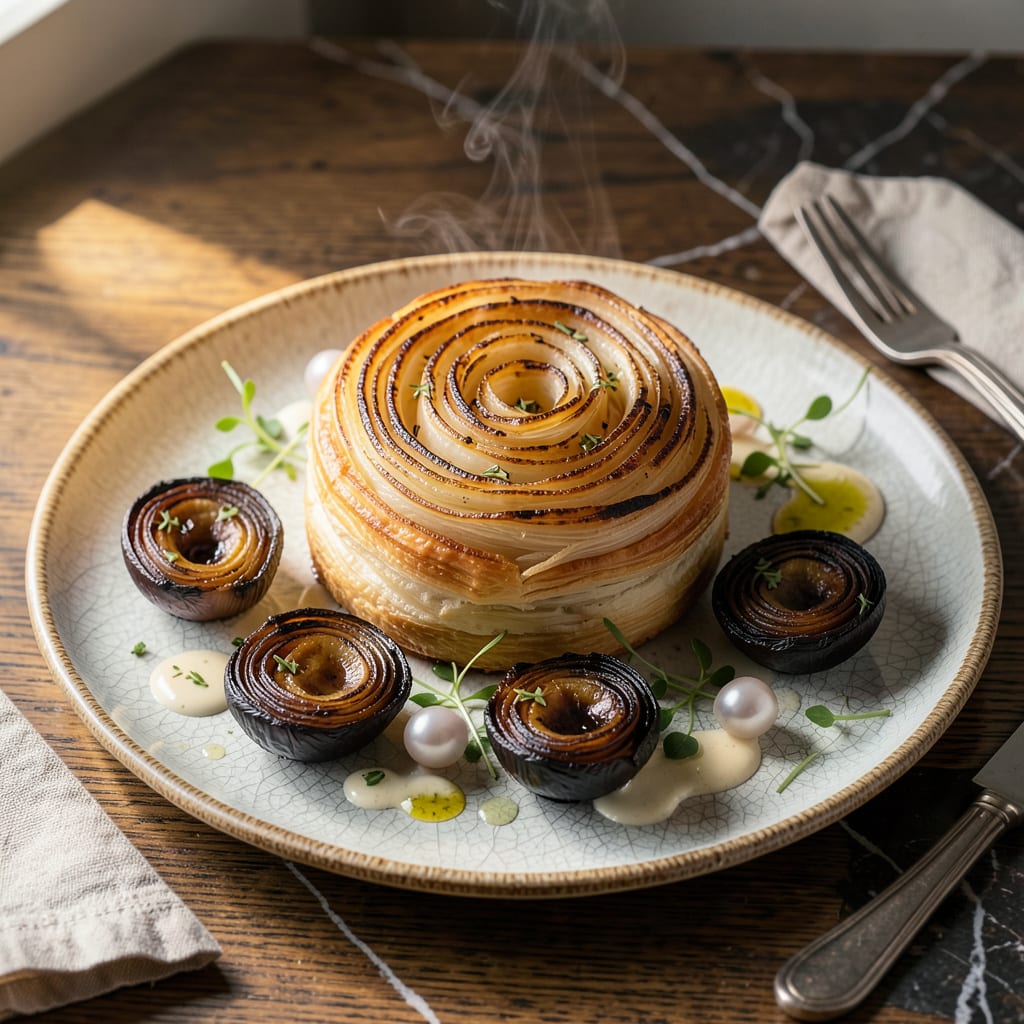
The secret to great onion flavor is proper caramelization—cook them low and slow until golden brown. Sweating onions in salt enhances sweetness, while a splash of acid (like vinegar) balances richness. Always slice uniformly for even cooking.
Mastering onion flavor unlocks depth in countless dishes, from French onion soup to stir-fries. 🔥 The Maillard reaction during caramelization transforms natural sugars into complex, nutty notes—this is why patience pays off. I’ve found that a pinch of baking soda can accelerate browning, while deglazing with wine or stock captures every bit of flavor from the pan.
Uniform slicing isn’t just about looks—it ensures consistent texture and prevents uneven cooking. ✨ For example, thinly sliced onions crisp up perfectly for caramelized toppings, while chunkier cuts hold their shape in stews. The right technique turns this humble ingredient into a flavor powerhouse.
💡 In This Article
- Why Onion Cooking Techniques Transform Dish Flavors
- Pro Chef Onion Prep Hacks for Home Cooks
Why Onion Cooking Techniques Transform Dish Flavors
The magic happens when onions hit the pan and their natural sugars begin to break down. At temperatures between 280-330°F, the Maillard reaction kicks in—this is where amino acids and reducing sugars combine to create hundreds of new flavor compounds.
Unlike simple caramelization (which only involves sugars), the Maillard reaction produces the deep, nutty, almost meaty notes you taste in perfectly browned onions. 🔥 The longer you cook, the more complex these flavors become.
Sulfur compounds in onions play a crucial role too. When raw, these compounds give onions their sharp, pungent bite. But heat transforms them: allicin breaks down into sweeter thiosulfinates, while prolonged cooking converts harsh sulfides into mellow, savory notes.
This is why a 45-minute slow cook yields onions that taste completely different from a 5-minute sauté. The difference is chemical—low heat gives sulfur compounds time to mellow, while high heat can make them bitter.
Cooking method changes everything. Sweating (cooking gently in fat with salt) coaxes out moisture and sweetness without browning, perfect for sofrito bases. Sautéing at medium-high heat creates quick caramelization for stir-fries. Deep-frying at 375°F produces crispy onion strings where the exterior browns while the interior stays slightly sweet.
Each technique manipulates the same ingredients into entirely different flavor profiles.
Raw vs. cooked onions are practically different ingredients. Raw onions contain about 10% sugar by weight, but their sharpness comes from sulfur compounds like syn-propanethial-S-oxide (the chemical that makes you cry). Cooking reduces this compound by 90% while concentrating sugars through moisture loss.
That’s why caramelized onions can taste 10 times sweeter than their raw counterparts—science confirms what your taste buds already know!
The pan you use matters too. Stainless steel develops fond (those browned bits) that deglazing can incorporate back into dishes. Nonstick pans prevent sticking but may inhibit browning. Cast iron holds heat steadily for even caramelization.
💫 Pro chefs often use a mix: start in stainless for browning, then deglaze with acid to lift all those flavorful browned particles.
Even the onion variety changes the outcome. Yellow onions (with 12-14% sugar content) caramelize beautifully, while red onions (higher in anthocyanins) turn jammy but can develop bitter notes if overcooked. White onions, with their milder flavor, are ideal for quick cooks where you want onion presence without overwhelming the dish.
The right variety paired with the right technique creates flavor alchemy.
Here’s the pro secret: patience and attention. The difference between good and great onion flavor often comes down to 5-10 extra minutes of cooking. That’s when the sugars fully develop and the sulfur compounds transform completely. The next time you’re tempted to rush, remember—those extra minutes are where the magic happens. ✨

- BBQ Sausage Recipe Oven: Smoky Depth Without the Grill - September 28, 2026
- BBQ Chicken Bowl Recipe Rice: Smoky Sweetness Over Fluffy Grains - September 28, 2026
- Beef Cutlet Recipe Ideas: Crispy Breaded Patties With Bold Seasonings - September 28, 2026