
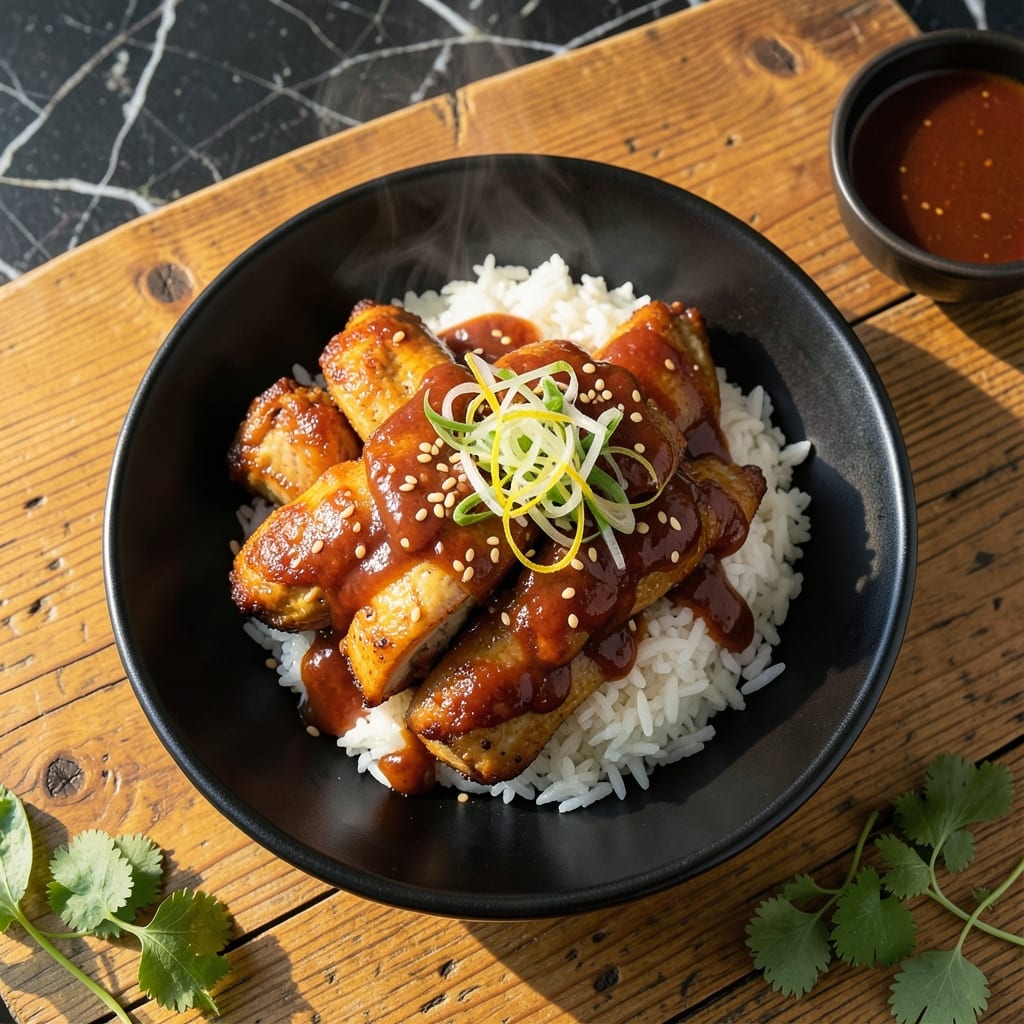
Gochujang transforms ordinary dishes into extraordinary ones with its signature balance of heat and sweetness. This recipe showcases its versatility as the star ingredient, delivering bold, complex flavors that define Korean cuisine.
I developed this dish to highlight gochujang’s depth, blending it with simple ingredients to create a rich, umami-packed sauce. The process is straightforward, ensuring the paste’s unique qualities shine through without overpowering.
What results is a meal that’s both comforting and exciting—tender proteins or vegetables coated in a glossy, deeply flavored glaze. Every bite delivers the warmth and complexity that makes gochujang so beloved.
Perfect for weeknight dinners or impressing guests, this dish proves how one ingredient can elevate a meal. Let’s bring Korean flavors to your table.
Ingredients for Recipe Using Gochujang
A handful of bold ingredients transform this dish into something extraordinary with gochujang at the heart.
| Ingredient | Amount | Notes |
|---|---|---|
| Gochujang 🌶️ | ½ cup | Korean fermented chili paste |
| Soy Sauce 🫒 | ¼ cup | Low-sodium preferred for balance |
| Honey 🍯 | 3 tbsp | Balances heat with sweetness |
| Rice Vinegar 💧 | 2 tbsp | Adds tangy brightness |
| Sesame Oil 🫒 | 1 tbsp | Toasted for nutty aroma |
| Garlic Cloves 🧄 | 4 cloves | Minced for even distribution |
| Fresh Ginger 🌿 | 1 tbsp | Grated for intensity |
| Chicken Thighs 🍗 | 1 ½ lb | Boneless, skinless preferred |
| Bell Peppers 🌶️ | 2 whole | Thinly sliced for texture |
| Onion 🧅 | 1 whole | Yellow or white, thinly sliced |
| Sesame Seeds 🌾 | 2 tbsp | Toasted for garnish |
| Green Onions 🧅 | 4 whole | Thinly sliced for freshness |
| Vegetable Oil 🫒 | 2 tbsp | Neutral flavor for cooking |
| Kosher Salt 🧂 | ½ tsp | Adjust to taste |
| Black Pepper 🌶️ | ¼ tsp | Freshly ground preferred |
The gochujang is non-negotiable here—look for Korean brands like Sempio or CJ at H Mart or well-stocked Asian grocers. Avoid versions with added preservatives; the paste should be thick, glossy, and deeply red (a sign of proper fermentation). For the soy sauce, Kikkoman is reliable, but a Korean soy sauce like Jin adds authenticity. Fresh ginger and garlic are essential for the aromatic base.
No gochujang? Sriracha plus miso paste gets you close but won’t replicate the complexity. Swap honey for maple syrup or brown sugar if avoiding bee products. Chicken can be tofu or shrimp—adjust cooking time accordingly. For a vegetarian twist, mushrooms or eggplant soak up the sauce beautifully. The sesame oil is worth the splurge; Kadoya is a trusted brand.
The sauce keeps well—store in an airtight container for up to 1 week in the fridge. Cooked dish reheats beautifully and often tastes better the next day. Freeze portions for up to 3 months (the gochujang flavor intensifies over time).
Why You’ll Love This Recipe
- One Bowl Wonder: I just mix gochujang, soy sauce, honey, rice vinegar, and sesame oil in a bowl—no chopping, no fuss.
- Sweet Heat Balance: The honey tames the gochujang’s spice while the rice vinegar adds this bright, tangy kick.
- Meal Prep Magic: This sauce works on chicken, tofu, or veggies, so I can use it all week without boredom.
- Budget Stretcher: A little goes a long way, and I already keep these ingredients on hand for other dishes.
Step-by-Step Instructions for Gochujang Chicken Stir-Fry
Master the technique for balanced heat, sweetness, and umami in this Korean-inspired dish.
Step 1: Prepare the Gochujang Marinade Base
In a medium bowl, whisk together the 0.5 cup Gochujang, 0.25 cup Soy Sauce, 3 tbsp Honey, 2 tbsp Rice Vinegar, and 1 tbsp Sesame Oil until completely smooth. The gochujang will be thick initially, but the liquids will loosen it into a glossy, vibrant red sauce.
Add the 4 cloves Garlic Cloves (minced) and 1 tbsp Fresh Ginger (grated) to the mixture. Stir well to distribute the aromatics evenly. This marinade develops complexity as it sits, so let it rest for 5 minutes while you prepare the remaining ingredients.
Step 2: Prep and Marinate the Chicken and Vegetables
Cut the 1.5 lb Chicken Thighs into 1-inch pieces. Place them in a separate bowl and season with 0.5 tsp Kosher Salt and 0.25 tsp Black Pepper. Pour half of the gochujang marinade over the chicken and toss to coat evenly. Let it marinate for 10 minutes.
Meanwhile, thinly slice the 2 whole Bell Peppers and 1 whole Onion into uniform strips. Keep them separate from the chicken to prevent cross-contamination. This prep ensures even cooking and maximum surface area for the sauce to cling to.
Step 3: Cook the Chicken to Juicy Perfection
Heat 2 tbsp Vegetable Oil in a large skillet or wok over medium-high heat until shimmering. Add the marinated chicken in a single layer, working in batches if necessary to avoid crowding. Sear undisturbed for 3-4 minutes until the edges are deep golden brown.
Flip the chicken and cook for an additional 3-4 minutes until fully cooked through and the internal temperature reaches 165°F. Transfer the chicken to a clean bowl and set aside. The fond (browned bits) left in the pan will add depth to the sauce.
Step 4: Stir-Fry Vegetables and Finish the Sauce
In the same skillet, add the sliced bell peppers and onion. Stir-fry over medium-high heat for 4-5 minutes until the vegetables soften slightly but retain a crisp bite. The edges should begin to caramelize from the residual gochujang marinade.
Return the chicken to the skillet and pour in the remaining marinade. Stir everything together and cook for 2-3 minutes until the sauce thickens and coats the chicken and vegetables evenly. The sauce should be glossy and cling to the back of a spoon.
Step 5: Garnish and Serve Immediately
Remove from heat and stir in the 2 tbsp Sesame Seeds. Transfer to a serving platter and garnish with thinly sliced 4 whole Green Onions. The sesame seeds add a nutty crunch, while the green onions provide a fresh, sharp contrast to the rich sauce.
Serve immediately while hot. The dish should have a perfect balance of spicy, sweet, and savory flavors, with tender chicken and crisp-tender vegetables in every bite. The sauce should be thick enough to coat but not so heavy that it overpowers the ingredients.
Pro Tips For Making Recipe Using Gochujang
- Bloom the Gochujang: Cook the gochujang in a little sesame oil for 1-2 minutes before adding liquids—this deepens its flavor and removes the raw edge. I learned this the hard way after my first few batches tasted harsh.
- Balance the Sweetness: Taste as you add the honey; gochujang varies in heat, and too much sweetness can flatten the dish. A 1:1 ratio with soy sauce is my safe starting point.
- Skip the Boiling Vinegar: Add the rice vinegar off the heat or at the very end to preserve its bright acidity. Boiling it away leaves the sauce dull and one-dimensional.
- Use Toasted Sesame Oil: Swap plain sesame oil for toasted at the finish—just 1 teaspoon at the end makes a real difference. Sounds small, but it adds that nutty depth everyone notices.
Best Sauces and Condiments for recipe using gochujang
Gochujang Dipping Sauce
Mix 2 tbsp gochujang with 1 tbsp soy sauce, 1 tbsp rice vinegar, and 1 tsp honey for a quick dipping sauce. Thin with 1 tsp water if needed. Perfect for dumplings or spring rolls. 💡
Spicy Mayo Fusion
Combine ¼ cup mayonnaise with 1 tbsp gochujang and ½ tsp sesame oil for a creamy, spicy spread. I love this on burgers or sandwiches—it adds a Korean twist to classic dishes.
Gochujang Glaze
Simmer ½ cup gochujang, 2 tbsp honey, and 1 tbsp soy sauce for 3-4 minutes until thick. Brush on grilled meats or roasted veggies. The glaze caramelizes beautifully under high heat.
Kimchi-Style Dressing
Whisk 3 tbsp gochujang with 1 tbsp rice vinegar, 1 tbsp sesame oil, and 1 tsp grated ginger. Drizzle over salads or cold noodles. This dressing keeps well in the fridge for up to 1 week. 🌟
Spicy Aioli
Blend ½ cup mayo, 1 tbsp gochujang, and 1 garlic clove (minced). Ideal for seafood or fries. The garlic adds depth while the gochujang brings the heat.
Sweet & Spicy Dip
Mix ¼ cup Greek yogurt with 1 tbsp gochujang and 1 tsp honey. Serve with veggie sticks or pita chips. The yogurt cools the spice while enhancing the paste’s complexity.
Nutrition Facts
Frequently Asked Questions
Can I use gochujang straight from the jar?
Yes, but it’s very concentrated. Dilute with 1-2 tbsp water or oil first to mellow the heat and improve spreadability. This prevents overpowering your dish.
How do I reduce the spiciness?
Balance the heat by adding 1 tbsp honey or sugar, plus 1 tsp rice vinegar. These neutralize the capsaicin while enhancing other flavors.
What protein works best besides chicken?
Try tofu (press first for 20 minutes), shrimp (2-3 minutes per side), or pork tenderloin. All absorb the marinade beautifully.
How long can I store leftover sauce?
Keep in an airtight container in the fridge for up to 1 week. The flavors deepen over time, making leftovers even tastier.

- Peach Syrup Recipe for Ice Cream: Sweet and Silky Drizzle for Scoops - October 6, 2026
- Pav Bhaji Recipe Food Lab: Mumbai Street Food Magic at Home - October 6, 2026
- Peach Jelly Recipe Without Pectin: Naturally Set Sweet Spread - October 6, 2026