
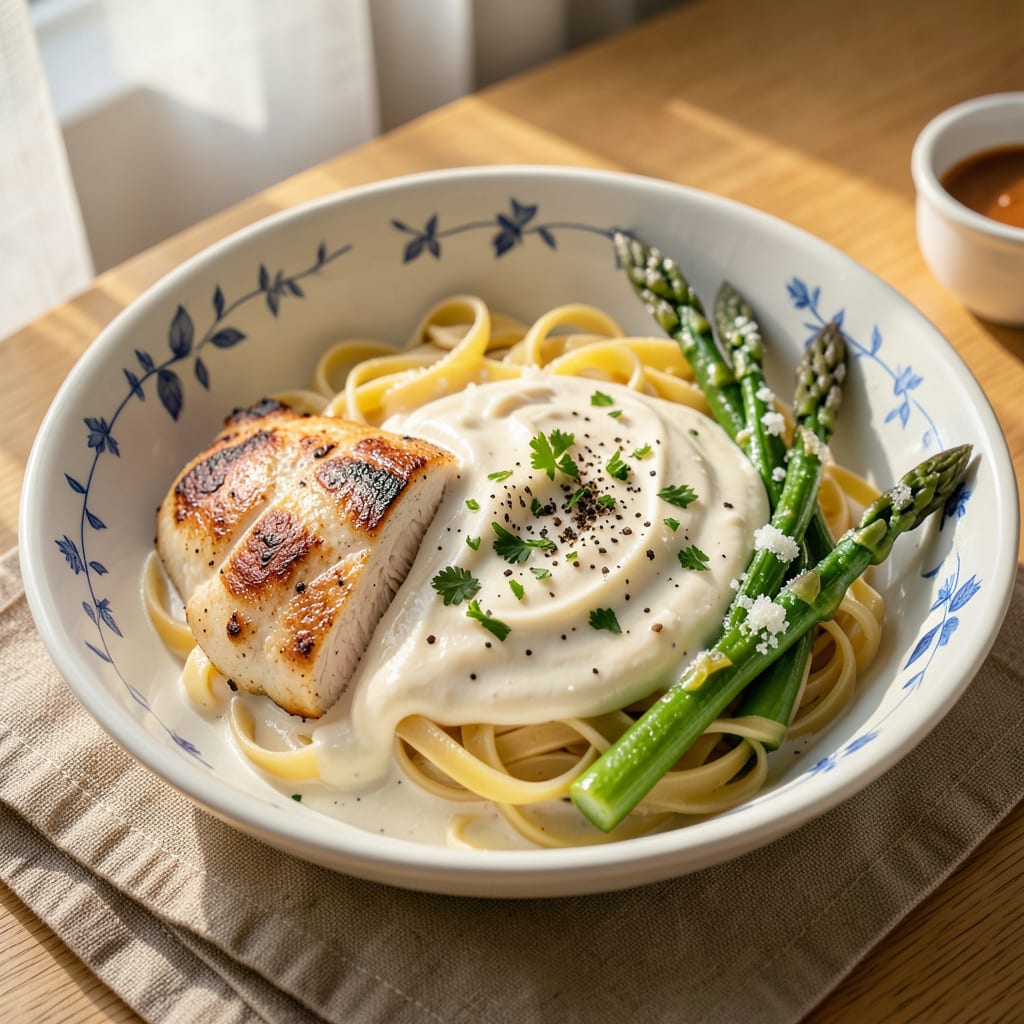
White sauce (béchamel) requires just butter, flour, and milk. Melt 2 tbsp butter, whisk in 2 tbsp flour to form a roux, then slowly add 1 cup warm milk while stirring until smooth and creamy. Season with salt, pepper, and nutmeg.
This classic French sauce serves as the foundation for countless dishes, from creamy pasta bakes to elegant soufflés. 🔥 The key lies in mastering the roux—equal parts fat and flour cooked just enough to remove the raw flour taste without browning. I always recommend warming the milk first to prevent the sauce from seizing up when combined with the hot roux. What makes béchamel so versatile is its neutral flavor profile, which readily absorbs additional seasonings like garlic, cheese, or fresh herbs while maintaining its signature silky texture.
💡 In This Article
- The Science Behind Perfect White Sauce Texture
- 5 Creative Ways to Use White Sauce in Recipes
The Science Behind Perfect White Sauce Texture
The magic starts with the 1:1:8 ratio—that’s 1 part butter, 1 part flour, and 8 parts milk by weight. This precise balance ensures the flour has enough fat to disperse evenly while leaving room for the milk to hydrate the starch molecules.
When you cook the butter and flour together, the heat breaks down the flour’s starch granules, allowing them to absorb liquid more efficiently. This process, called gelatinization, is what transforms your mixture from a pasty roux into a luscious sauce. 🔥
Temperature control is everything. The ideal roux should reach 160-180°F—hot enough to cook the flour but not so hot that it browns (which would turn your white sauce into a blond or brown sauce). When you add the milk, it should be warm (110-120°F) to prevent shocking the roux.
Cold milk causes the fat to seize up, creating those dreaded lumps. The gradual addition gives starch molecules time to unwind and form a network that thickens the liquid uniformly.
Here’s where fat plays its crucial role: the butter in the roux coats the starch granules, preventing them from clumping together when they encounter liquid. This creates that signature velvety texture rather than a gluey consistency.
The fat also carries flavor compounds, which is why using high-quality butter makes such a noticeable difference in the final taste. I’ve found that European-style butter with 82-86% fat content produces the smoothest results.
Common texture problems usually stem from ratio imbalances. A sauce that’s too thin often needs more cooking time—starches continue to absorb liquid as they heat. If it’s too thick, you’ve either used too much flour or over-reduced it. The fix?
Whisk in 1-2 tbsp of warm milk at a time until you reach the desired consistency. Remember that the sauce will thicken slightly as it cools, so aim for a consistency that coats the back of a spoon but still runs slowly when you tilt it. ✨
For those troublesome lumps, don’t reach for the strainer immediately. Often, vigorous whisking over medium-low heat will break them up as the starch granules re-distribute. If that fails, a quick blend with an immersion blender works wonders.
The key is patience—rushing the process by adding cold milk or cranking up the heat is what causes most texture issues in the first place.
The final texture should have what French chefs call “nappé” consistency—thick enough to lightly coat the back of a spoon, with a clean line when you run your finger through it. This viscosity comes from the starch molecules forming a loose network that traps liquid while still allowing some flow.
It’s this delicate balance between structure and fluidity that makes béchamel so versatile in both delicate sauces and hearty dishes.
Pro tip: If you’re making a large batch, consider using a double boiler for the final cooking stage. The gentle, indirect heat prevents the sauce from scorching on the bottom while allowing even thickening.
This method gives you more control over the texture, especially when working with higher quantities where direct heat can cause hot spots and uneven consistency. 💫

- BBQ Sausage Recipe Oven: Smoky Depth Without the Grill - September 28, 2026
- BBQ Chicken Bowl Recipe Rice: Smoky Sweetness Over Fluffy Grains - September 28, 2026
- Beef Cutlet Recipe Ideas: Crispy Breaded Patties With Bold Seasonings - September 28, 2026