
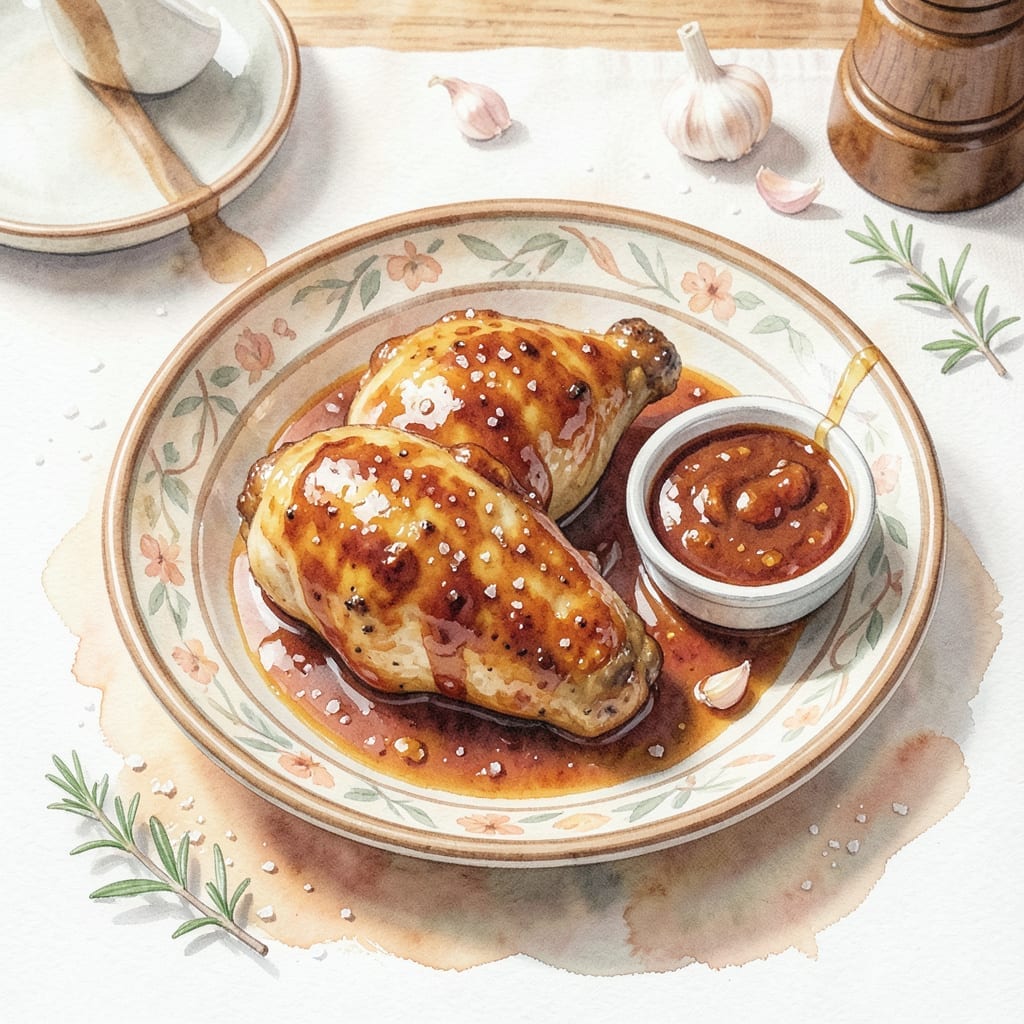
This dish transforms ordinary meals into something extraordinary with its bold, spicy-sweet character. The chili sauce brings depth and heat that balances perfectly with other ingredients, creating a flavor profile that’s both exciting and approachable.
What makes this creation stand out is its versatility—it works as a glaze, marinade, or finishing touch. The sauce’s heat is tempered by natural sweetness, making it adaptable to chicken, pork, or even roasted vegetables.
You’ll achieve restaurant-quality results with minimal effort, as the chili sauce does most of the heavy lifting. The key is letting it caramelize slightly for a sticky, glossy finish.
Serve it over rice, noodles, or as a dipping sauce. The possibilities are endless with this simple yet impactful addition.
Ingredients for Recipe with Chili Sauce
Bold, spicy-sweet ingredients create restaurant-quality depth with minimal effort.
| Ingredient | Amount | Notes |
|---|---|---|
| Chicken Thighs 🍗 | 2 lb | Boneless, skinless, trimmed |
| Chili Sauce 🌶️ | 1 cup | Sweet and spicy variety |
| Soy Sauce 🫒 | ¼ cup | Low-sodium preferred |
| Honey 🍯 | 3 tbsp | Balances heat and acidity |
| Rice Vinegar 💧 | 2 tbsp | Adds tangy brightness |
| Garlic Cloves 🧄 | 4 cloves | Minced finely |
| Fresh Ginger 🌿 | 1 tbsp | Peeled and grated |
| Sesame Oil 🫒 | 1 tbsp | Toasted for depth |
| Red Bell Pepper 🌶️ | 1 whole | Thinly sliced for texture |
| Green Onions 🧅 | 4 whole | Sliced, for garnish |
| Jasmine Rice 🍚 | 2 cups | Uncooked, for serving |
| Cornstarch 🌾 | 1 tbsp | Thickens the sauce |
| Vegetable Oil 🫒 | 2 tbsp | For searing chicken |
| Sesame Seeds 🌾 | 1 tbsp | Toasted, for garnish |
The chili sauce is the backbone here—look for brands like Sriracha or Sambal Oelek for that perfect balance of heat and sweetness. Asian markets often carry artisanal versions with more complexity. For the chicken, thighs hold up better to the sauce’s acidity than breasts, and their higher fat content keeps everything juicy (worth the extra calorie count). Always buy skinless to avoid a greasy finish.
No chili sauce? Mix ketchup with sriracha and a touch of brown sugar—it’s not identical but close enough. Tamari works in place of soy sauce (gluten-free swap). The honey can be maple syrup or agave if avoiding animal products. For the rice, basmati or long-grain white are fine, but jasmine’s floral notes complement the dish best. Fresh ginger is non-negotiable—dried lacks the zing.
Sauce keeps in the fridge for 5 days (the flavors actually deepen). Reheat gently to avoid breaking the emulsion. Leftover chicken? Shred it for tacos or salads—the sauce clings beautifully. Freeze extras for up to 3 months (thaw overnight before reheating).
Why You’ll Love This Recipe
- One Pan Wonder: I just toss the chicken thighs with chili sauce, soy, honey, and vinegar, then let the oven do the work.
- Sweet Heat Balance: The chili sauce brings the kick while the honey rounds it out—my kind of flavor dance.
- Feeds a Crowd: I’ve served this at potlucks and weeknight dinners, and it’s always the first to disappear.
- Leftovers? Yes Please: Honestly, the flavors deepen overnight, so I make extra just to have for lunch the next day.
Step-by-Step Instructions for Chicken in Spicy-Sweet Chili Sauce
Master this technique and you’ll create a perfectly balanced dish with glossy sauce and tender chicken.
Step 1: Sear the Chicken Thighs
Heat the 2 tbsp Vegetable Oil in a large skillet over medium-high heat until shimmering. Add the 2 lb Chicken Thighs and sear for 5-6 minutes per side until deeply browned and nearly cooked through.
Don’t crowd the pan—work in batches if needed. You want a good crust for texture, and overcrowding will steam the chicken instead of searing. Remove the chicken to a plate and set aside.
Step 2: Sauté Aromatics and Vegetables
In the same skillet, add the red bell pepper (thinly sliced) and sauté for 3-4 minutes until just beginning to soften. Add the 4 cloves Garlic Cloves (minced) and 1 tbsp Fresh Ginger (grated), cooking for 30 seconds until fragrant.
This builds the flavor base for your sauce. The garlic and ginger should sizzle but not burn—if they darken too quickly, reduce the heat slightly. The bell pepper adds color and crunch to contrast the tender chicken.
Step 3: Create the Chili Sauce Glaze
Pour in the 1 cup Chili Sauce, 0.25 cup Soy Sauce, 3 tbsp Honey, 2 tbsp Rice Vinegar, and 1 tbsp Sesame Oil. Stir to combine, then bring to a gentle simmer.
In a small bowl, whisk the 1 tbsp Cornstarch with 2 tbsp of cold water to create a slurry. Stir this into the sauce and cook for 2-3 minutes until it thickens into a glossy glaze that coats the back of a spoon.
Step 4: Finish and Garnish
Return the chicken to the skillet along with any accumulated juices. Spoon the sauce over the chicken and simmer for 2-3 minutes until the chicken is fully cooked and the flavors meld.
Serve over 2 cups Jasmine Rice (cooked according to package instructions). Garnish with the 4 whole Green Onions (sliced) and 1 tbsp Sesame Seeds for color and texture. The sauce should pool slightly around the chicken, with each bite delivering a balance of sweet, spicy, and savory notes.
Pro Tips For Making Recipe With Chili Sauce
- Sear the Thighs First: Get a good brown on those chicken thighs before adding the sauce—about 4-5 minutes per side in a hot pan. I learned this the hard way after my first few batches tasted boiled instead of caramelized.
- Balance the Sauce: Taste your chili sauce mixture before adding the chicken and adjust the ratio of honey to rice vinegar. A 1:1 balance usually works, but some brands of chili sauce are sweeter than others.
- Skip the Overcrowding: Resist the urge to fit all the chicken in one batch—crowding the pan steams the meat instead of searing it. Two batches take an extra 5 minutes but guarantee crispy skin.
- Reduce the Glaze: After cooking, pull the chicken out and reduce the remaining sauce by half—this turns it from a thin drizzle to a thick, sticky glaze that clings to every bite. Sounds fussy, but it actually changes the outcome.
Regional Styles of These Flavors
Sichuan Style
In Sichuan province, this dish becomes fiery with doubanjiang (fermented chili bean paste) and Sichuan peppercorns for numbing heat. I mix 2 tbsp doubanjiang with the chili sauce for depth. The peppercorns add a unique tingling sensation that’s authentic to the region. 🌶️
Thai Sweet Chili
Thai cuisine softens the heat with sweetness. I use Mae Ploy sweet chili sauce and add 1 tbsp fish sauce and 1 lime’s juice for balance. Fresh Thai basil and crushed peanuts as garnish bring it all together.
Korean Gochujang
For a Korean twist, swap the chili sauce for 3 tbsp gochujang (fermented chili paste) and add 1 tbsp gochugaru (Korean chili flakes). The gochujang adds umami depth, while gochugaru provides vibrant color and heat.
American BBQ Fusion
Combine ½ cup chili sauce with ½ cup BBQ sauce for a tangy-sweet glaze. I like Sticky Fingers brand for its molasses richness. Add 1 tsp smoked paprika for a subtle smoky note that pairs perfectly with grilled chicken. 🔥
Indonesian Sambal
Use sambal oelek as your chili base and add 1 tbsp kecap manis (sweet soy sauce) for complexity. The sambal brings intense heat, while kecap manis adds a caramel-like sweetness that’s characteristic of Indonesian cooking.
Japanese Yakitori
For a Japanese approach, mix chili sauce with 2 tbsp mirin and 1 tbsp sake. This creates a teriyaki-like glaze that’s perfect for skewered chicken thighs, brushed on during the last minutes of grilling.
Nutrition Facts
Frequently Asked Questions
Can I use a different protein instead of chicken?
Pork tenderloin or shrimp work beautifully. For pork, cook to 145°F internal temperature. Shrimp only needs 2-3 minutes per side to avoid overcooking.
How do I adjust the spice level?
Reduce heat by using ½ cup mild chili sauce plus ½ cup ketchup. For more kick, add 1 tsp cayenne or 1 tbsp sriracha. Taste as you go!
Can I make this ahead of time?
The sauce keeps for 5 days refrigerated. Cook chicken fresh, but prep veggies and sauce in advance. Reheat sauce gently before combining with cooked protein.

- BBQ Sausage Recipe Oven: Smoky Depth Without the Grill - September 28, 2026
- BBQ Chicken Bowl Recipe Rice: Smoky Sweetness Over Fluffy Grains - September 28, 2026
- Beef Cutlet Recipe Ideas: Crispy Breaded Patties With Bold Seasonings - September 28, 2026