
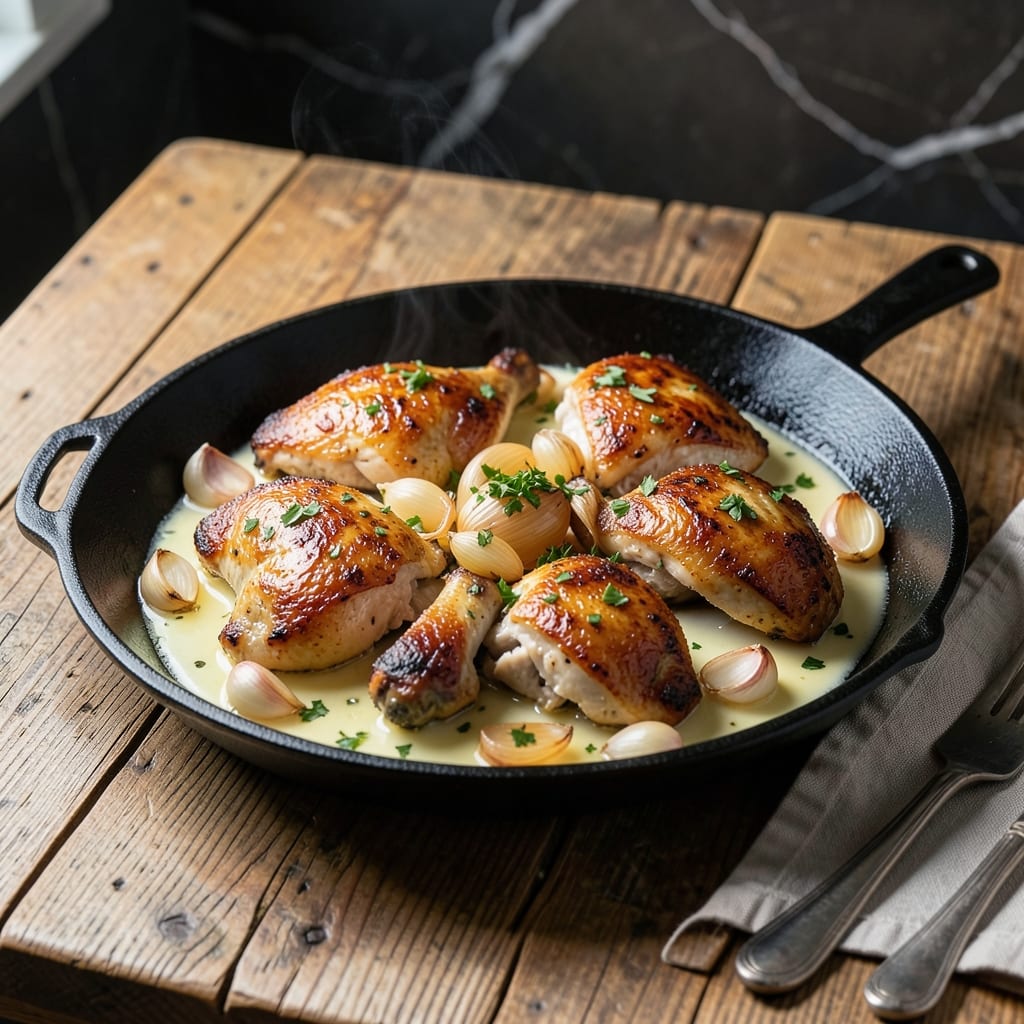
White wine transforms ordinary dishes into something extraordinary with its bright acidity and complex flavors. I’ve spent years perfecting how to use it in cooking, and the results are always worth the effort.
This dish relies on white wine to build layers of depth, whether for deglazing, braising, or creating a rich pan sauce. The alcohol cooks off, leaving behind a subtle sophistication that elevates every bite.
You’ll notice how the wine enhances the natural flavors of the ingredients, creating a balance that feels both elegant and approachable. It’s a technique that works for weeknight dinners or special occasions.
Ready to bring restaurant-quality flavor to your home kitchen? This method delivers every time.
Ingredients for Recipe with White Wine
Elevate your cooking with these refined ingredients for a dish with restaurant-quality sophistication.
| Ingredient | Amount | Notes |
|---|---|---|
| Dry White Wine 🍷 | 1 ½ cups | Sauvignon Blanc or Pinot Grigio recommended |
| Chicken Thighs 🍗 | 1 ½ lb | Boneless, skinless, patted dry |
| Shallots 🧅 | 2 whole | Finely minced for depth |
| Garlic Cloves 🧄 | 4 cloves | Minced for aromatic base |
| Unsalted Butter 🧈 | 3 tbsp | Divided for cooking and finishing |
| All-Purpose Flour 🌾 | 2 tbsp | For thickening the sauce |
| Chicken Stock 🥣 | 1 cup | Low-sodium preferred for control |
| Heavy Cream 🥛 | ½ cup | Full-fat for richness |
| Dijon Mustard 🟡 | 1 tbsp | For a subtle tang |
| Fresh Thyme Sprigs 🌿 | 4 piece | Stems removed before serving |
| Fresh Parsley 🌿 | ¼ cup | Chopped for garnish |
| Kosher Salt 🧂 | 1 tsp | Diamond Crystal brand preferred |
| Freshly Ground Black Pepper 🌶️ | ½ tsp | For finishing the dish |
| Olive Oil 🫒 | 1 tbsp | For initial searing |
The white wine is non-negotiable here—Sauvignon Blanc or Pinot Grigio offer the bright acidity needed to balance the dish. Whole Foods or Total Wine carry excellent options for cooking. Chicken thighs (boneless, skinless) provide the right fat content for rich, tender results. Avoid pre-ground black pepper; freshly ground delivers superior aroma and flavor.
No white wine? Dry vermouth works in a pinch, though the flavor profile will shift slightly. For a non-alcoholic substitute, use white wine vinegar diluted with water and a pinch of sugar. Heavy cream can be replaced with half-and-half for a lighter sauce, though the texture will be less luxurious. Shallots and garlic are essential, but yellow onion can stand in if necessary.
This dish reheats well—store in an airtight container for up to 3 days in the fridge. The sauce will thicken further upon cooling. For best results, bring to room temperature before reheating gently on the stove. Freezing is not recommended due to the cream content.
Why You’ll Love This Recipe
- One Pan Wonder: I toss everything in, let the wine and butter work their magic, and dinner’s done with barely any cleanup.
- Rich and Deep: The white wine pulls out this incredible depth from the chicken and shallots that just melts in your mouth.
- Weeknight Hero: Honestly, it’s my go-to for busy evenings—ready before the kids finish their homework.
- Budget Stretcher: Chicken thighs stay affordable, and a splash of wine turns them into something restaurant-worthy.
Step-by-Step Instructions for Recipe With White Wine
This method delivers sophisticated flavor with precise technique and professional results.
Step 1: Sear the Chicken Thighs to Golden Perfection
Heat the 1 tablespoon olive oil in a large skillet over medium-high heat until shimmering. Season the 1.5 lb chicken thighs evenly with the 1 teaspoon kosher salt and ½ teaspoon freshly ground black pepper.
Add the chicken to the hot pan and sear undisturbed for 4-5 minutes per side until the surface develops a deep golden-brown crust. The meat should release easily from the pan when properly seared. Transfer to a plate and set aside.
Step 2: Build the Aromatic Base with Shallots and Garlic
Reduce heat to medium and add 1 tablespoon unsalted butter to the same skillet. Add the 2 whole minced shallots and cook for 3-4 minutes, stirring frequently, until softened and translucent.
Add the 4 minced garlic cloves and fresh thyme sprigs, cooking for 30 seconds until the garlic becomes fragrant but not browned. The shallots should be sweet and tender, not caramelized. Remove and discard the thyme stems at this point.
Step 3: Deglaze and Create the Wine-Infused Sauce
Pour in the 1.5 cups dry white wine to deglaze the pan, scraping up all the browned bits from the bottom with a wooden spoon. Bring to a simmer and cook for 5-6 minutes until the liquid reduces by about half.
Whisk in the 2 tablespoons all-purpose flour and cook for 1 minute to remove the raw flour taste. The mixture will thicken slightly. Add the 1 cup chicken stock, ½ cup heavy cream, and 1 tablespoon Dijon mustard, stirring until smooth.
Step 4: Finish with Butter and Serve
Return the seared chicken to the skillet along with any accumulated juices. Reduce heat to medium-low and simmer for 8-10 minutes, turning the chicken occasionally, until the sauce coats the back of a spoon and the chicken reaches 165°F internally.
Stir in the remaining 2 tablespoons unsalted butter until melted and fully incorporated. The sauce should be velvety and rich. Discard the thyme stems, garnish with the ¼ cup chopped fresh parsley, and serve immediately over the chicken.
Pro Tips For Making Recipe With White Wine
- Deglaze While Hot: Pour the white wine into the pan right after removing the chicken—those browned bits on the bottom dissolve best when the pan’s still screaming hot.
- Pat Thighs Dry: I learned this the hard way: blot the chicken thighs with a paper towel before searing, or they’ll steam instead of brown, even in a ripping hot pan.
- Skip the Sweet Wine: Use a dry white like Sauvignon Blanc or Pinot Grigio—anything with residual sugar will make your sauce cloying instead of bright and balanced.
- Swirl in Cold Butter: Pull the pan off the heat and let it sit for 30 seconds before whisking in the cold butter, so it emulsifies into a silky sauce instead of melting into greasy puddles.
Storing and Reheating This recipe with white wine
Refrigerator Storage
Let your dish cool for no more than 2 hours before transferring to airtight containers. I use glass Pyrex with snap-on lids for easy storage. This creation keeps beautifully in the fridge for up to 3 days. The flavors actually deepen overnight as the wine-infused sauce continues to develop. ❄️
Freezing Not Recommended
I don’t recommend freezing this dish because the heavy cream can separate and become grainy when thawed. The texture of the sauce won’t be the same, and the chicken may dry out during reheating. Fresh is always best with this recipe.
Stovetop Reheating
This is my preferred method for maintaining texture. Reheat gently over medium-low heat in a heavy-bottomed skillet, adding a splash of chicken stock or water if the sauce looks too thick. Stir occasionally for 5-7 minutes until heated through. 🔥
Microwave Option
For quick meals, microwave individual portions covered with a damp paper towel. Heat on 70% power for 2-3 minutes, stir, then continue in 30-second intervals until reaching 165°F. The sauce may look slightly separated but will come together when stirred.
Serving After Storage
Always garnish with fresh parsley after reheating to brighten up the dish. If the sauce seems too thick, thin it with a little white wine or stock. I love how the flavors taste even more harmonious the next day.
Nutrition Facts
Frequently Asked Questions
Can I use cooking wine instead of regular white wine?
Avoid cooking wine—it’s salty and harsh. Use a dry white wine you’d drink, like Sauvignon Blanc. The quality directly affects flavor.
How do I know when the sauce is properly reduced?
Look for it to coat the back of a spoon. It should be thick enough to leave a clear trail when you run a finger through it. This takes 5-6 minutes of simmering.
Can I substitute chicken breasts for thighs?
You can, but thighs stay juicier. If using breasts, reduce cooking time to 6-8 minutes and monitor internal temp closely to avoid dryness.
What if my sauce breaks or looks separated?
Whisk in 1 tablespoon cold butter or a splash of cream to bring it back together. Keep heat at medium-low to prevent splitting.

- BBQ Sausage Recipe Oven: Smoky Depth Without the Grill - September 28, 2026
- BBQ Chicken Bowl Recipe Rice: Smoky Sweetness Over Fluffy Grains - September 28, 2026
- Beef Cutlet Recipe Ideas: Crispy Breaded Patties With Bold Seasonings - September 28, 2026