
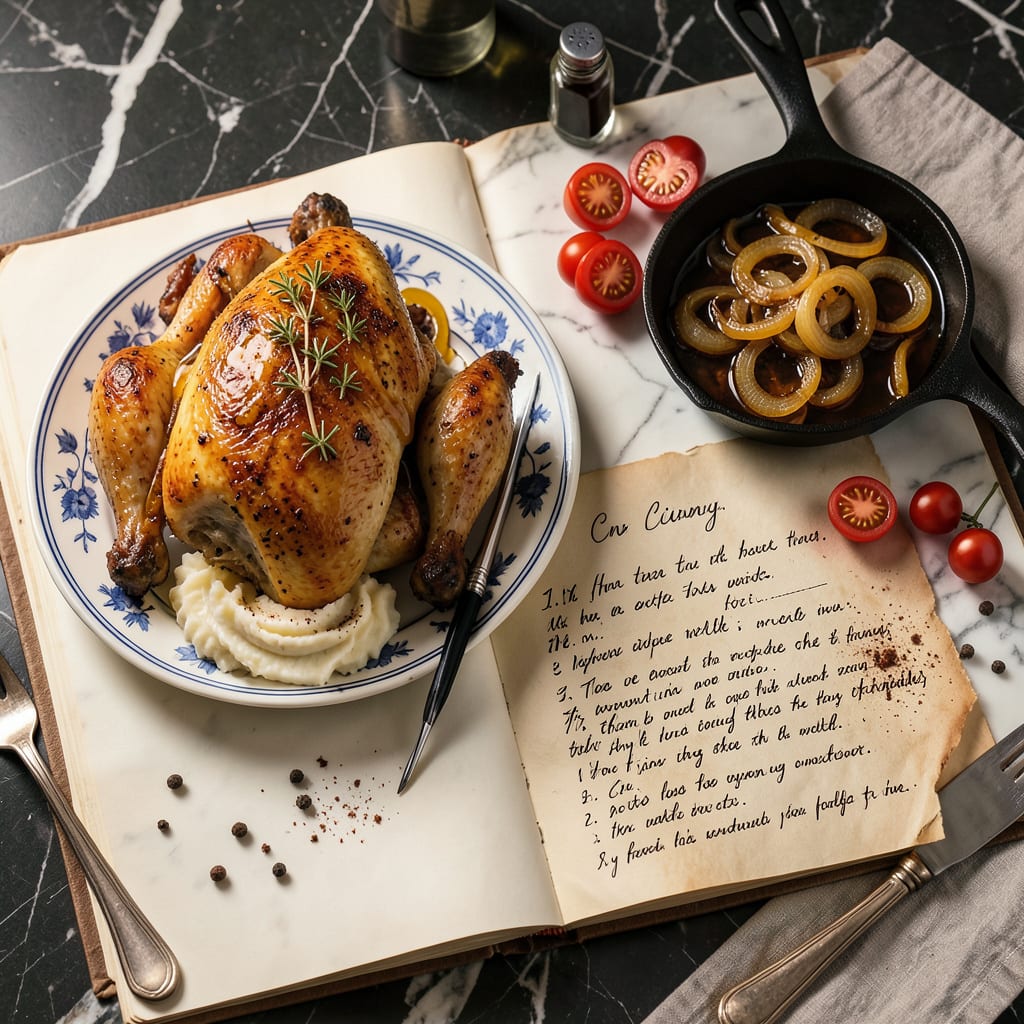
Start with a clear title, list precise ingredients with measurements, and write step-by-step instructions in chronological order. Include cooking times, temperatures, and serving sizes for accuracy. Test your recipe before publishing to ensure clarity and success.
What separates a good recipe from a great one is the precision in its details. I’ve found that home cooks often overlook small but critical elements like specifying prep time vs. cook time or noting whether ingredients should be packed or loosely measured. For example, a cup of flour can vary by 20-30% depending on how it’s scooped—this kind of specificity prevents frustration in the kitchen. 🔥
Another game-changer is using active voice and standardized terms. Instead of saying “combine the ingredients,” I’d write “whisk the eggs and sugar until pale”—this clarity eliminates guesswork. Testing your recipe at least twice also reveals hidden issues, like whether a baking time works across different oven types or altitudes.
💡 In This Article
- Key Elements of Professional Recipe Writing Structure
- Common Recipe Writing Mistakes and How to Avoid Them
Key Elements of Professional Recipe Writing Structure
What transforms a basic recipe into a foolproof guide is its structural precision. The foundation starts with a clear, descriptive title that includes the dish name, cooking method, and any key details (like “One-Pan Garlic Butter Salmon with Roasted Asparagus”). This helps readers immediately understand what to expect.
The headnote—that introductory paragraph—should explain why the recipe works, any special techniques, or equipment needed, setting the stage for success. 🔥
Ingredient lists demand metric and imperial measurements (e.g., 240g/1 cup all-purpose flour) to accommodate global audiences. Specify whether ingredients should be packed, sifted, or loosely measured—this can alter quantities by 20-30%. For example, a “cup of brown sugar” should clarify if it’s packed (standard for baking) or lightly spooned.
Temperature matters too: note if butter should be room temperature (68°F) or cold (32°F). These specifics prevent common baking failures like dense cakes or flat cookies.
The method section thrives on active voice and chronological steps.
Instead of vague instructions like “mix the dry ingredients,” specify: “In a medium bowl, whisk together the flour, baking powder, and salt until evenly combined.” This eliminates ambiguity. Cooking times and temperatures must be precise—state whether to bake at 350°F for 22-25 minutes or until a toothpick comes out clean.
Including prep time (15 minutes) and cook time (1 hour) helps readers plan efficiently.
Yield specifications are often overlooked but critical. State whether the recipe serves 4 as a main dish or 8 as a side. For baking, note if the recipe fills a 9×13-inch pan or makes 24 standard cupcakes. Recipe testing refines these details—you might discover that doubling the recipe requires adjusting bake times or pan sizes. A well-tested recipe accounts for variables like altitude (which affects leavening) or oven hot spots.
Standardized terminology prevents confusion. Use “fold” for delicate mixing (like meringues), “cream” for butter and sugar, and “sauté” for cooking in a small amount of fat. Avoid jargon unless defined—what’s “al dente” to a chef might be unclear to a beginner.
Sensory cues help too: “Cook until the onions are translucent and golden” is more useful than “cook until done.” ✨
Finally, consider accessibility. Offer ingredient substitutions for dietary needs (e.g., gluten-free flour blends) and note potential allergens. A well-structured recipe isn’t just clear—it’s adaptable and inclusive, ensuring success for every cook who tries it. 💫

- BBQ Sausage Recipe Oven: Smoky Depth Without the Grill - September 28, 2026
- BBQ Chicken Bowl Recipe Rice: Smoky Sweetness Over Fluffy Grains - September 28, 2026
- Beef Cutlet Recipe Ideas: Crispy Breaded Patties With Bold Seasonings - September 28, 2026