
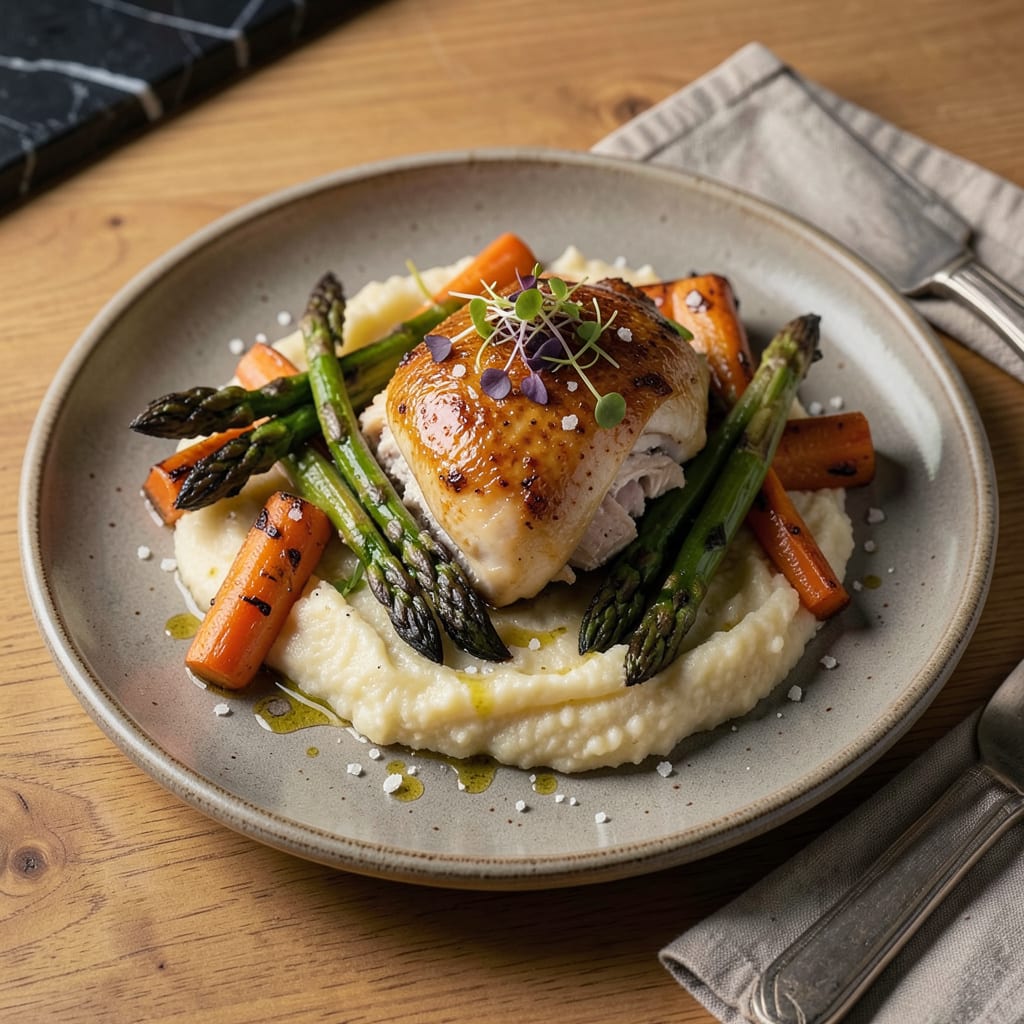
To repeat a recipe successfully, document every step precisely—measurements, cook times, and techniques. Use consistent tools and ingredients, and note any adjustments made during the process for reliable replication.
I’ve found that the secret to perfect replication lies in treating recipes like scientific experiments. Even small variations—a pinch more salt, 2 minutes extra in the oven, or a different brand of flour—can dramatically alter the final dish. That’s why I always recommend using a kitchen scale for gram-precise measurements rather than volume-based cups. 🔥
What most home cooks overlook is how environmental factors play a role. The same cookie recipe might spread differently in humid weather versus dry conditions, and high-altitude bakers often need to adjust leavening agents. I keep a dedicated notebook where I record not just the recipe itself, but also my observations about texture, aroma, and any modifications I made—this becomes my personal roadmap for future attempts. ✨
💡 In This Article
- Why Precise Measurements Matter for Recipe Consistency
- Tools and Techniques for Perfect Recipe Replication
Why Precise Measurements Matter for Recipe Consistency
Baking is essentially applied chemistry, where ingredient ratios create specific reactions. A cookie recipe calling for 1 cup flour assumes a particular protein-to-starch balance—using 120g of all-purpose flour (about 1 cup scooped and leveled) gives you 10-12% protein, while dipping your measuring cup directly into the bag can pack in 150g or more.
That extra 30g alters gluten formation, making cookies cakey instead of crisp. 🔥
The science gets even more precise with leavening agents. Baking soda requires an acidic ingredient (like buttermilk or vinegar) to activate, while baking powder contains its own acid. If your recipe uses 1 tsp baking powder but you accidentally use 1 tsp baking soda without adjusting acidity, you’ll get a soapy, metallic taste.
Even 1/4 tsp differences in salt can make desserts taste flat or overly sharp—salt enhances sweetness at 0.5-1% of total weight in most baked goods. ✨
Environmental factors create invisible variables. At high altitudes (above 3,000 ft), water boils at lower temperatures and air pressure reduces, causing cakes to rise too quickly then collapse. The fix? Reduce baking powder by 1/8-1/4 tsp per tsp and increase oven temp by 15-25°F.
Humidity affects flour too—on rainy days, flour absorbs moisture from the air, so you might need 10-15% more to achieve the same dough consistency. 💫
Ingredient brands introduce another layer of variation. Different butters have varying water content (15-20%), which affects how cookies spread. King Arthur flour has 11.7% protein versus Gold Medal’s 10.5%—that 1.2% difference changes how much liquid doughs absorb.
Even spices vary: McCormick cinnamon is more potent than store-brand, so 1 tsp might equal 1.5 tsp of a generic version. 🌟
Here’s what professional bakers do: they standardize everything. My pastry chef friend weighs her eggs (50g per large egg) because sizes vary, and she records the exact brand of vanilla extract (she swears by Nielsen-Massey’s 35% alcohol content for optimal flavor extraction).
For home cooks, the simplest solution is to pick one brand of flour, sugar, and leavening agents and stick with them—this eliminates one major variable. ⚡
Consider how temperature affects measurements too. Cold butter (60°F) cuts into flour differently than room-temperature butter (68°F). When creaming butter and sugar, the ideal temperature is 65°F—cooler than that and you won’t incorporate enough air; warmer and your cookies will spread too much.
I use an infrared thermometer to check my butter before starting, which might seem excessive until you taste the difference. 💛
The golden rule? Measure by weight, not volume. A digital scale eliminates guessing—1 cup granulated sugar should always be 200g, whether it’s Domino or a generic brand. For liquids, use a clear measuring cup at eye level.
And always note which tools you used: a #16 scoop (about 1/4 cup) gives different results than a #20 scoop (3 tbsp) when portioning cookie dough. This level of detail is what separates “pretty good” from “perfect every time.”

- BBQ Sausage Recipe Oven: Smoky Depth Without the Grill - September 28, 2026
- BBQ Chicken Bowl Recipe Rice: Smoky Sweetness Over Fluffy Grains - September 28, 2026
- Beef Cutlet Recipe Ideas: Crispy Breaded Patties With Bold Seasonings - September 28, 2026