
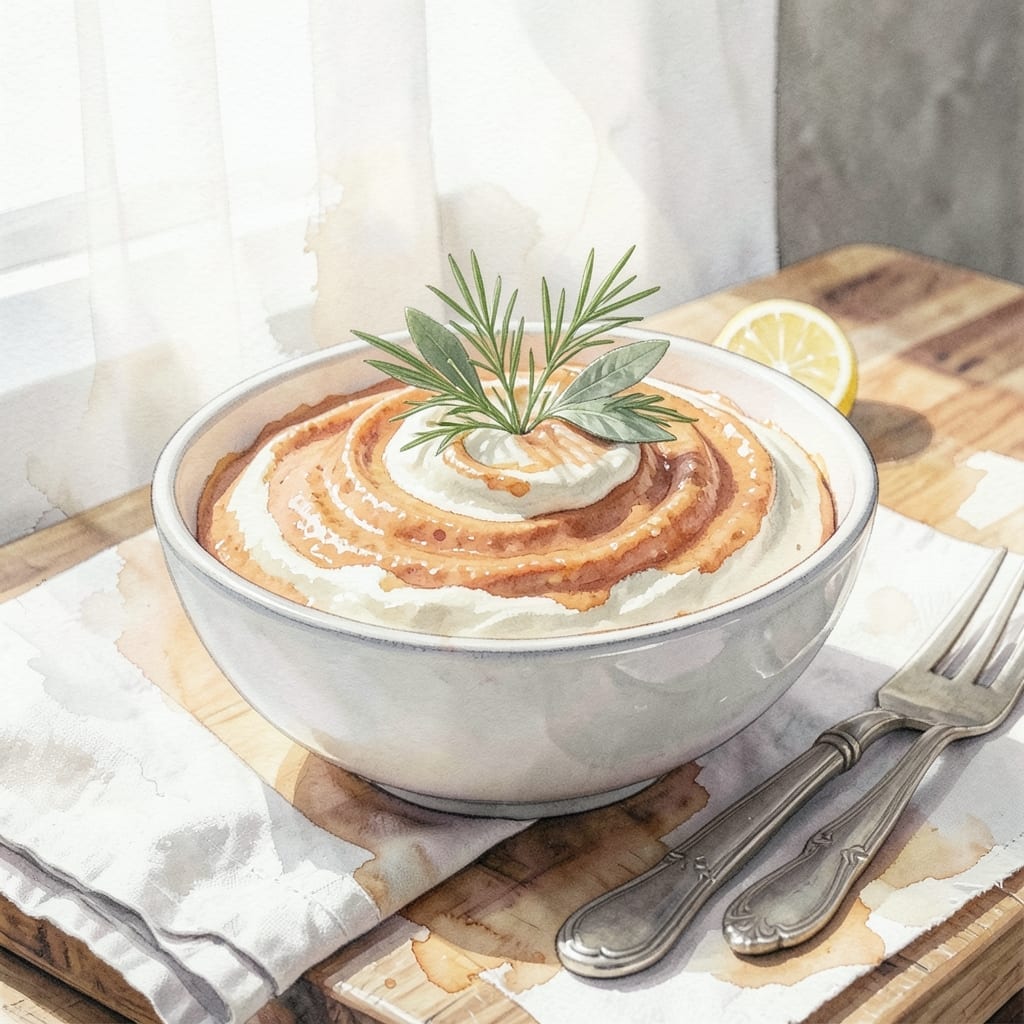
This salmon mousse captures the refined elegance of Mary Berry’s approach to cooking—simple ingredients transformed into something extraordinary. The secret lies in the balance of textures and flavors, creating a spread that feels luxurious yet approachable.
By blending poached salmon with cream cheese and a touch of lemon, this dish achieves a silky smoothness that’s perfect for entertaining. The addition of fresh dill adds a bright, herbaceous note that cuts through the richness.
What makes this mousse special is its versatility. Serve it with crackers, toasted bread, or as part of a charcuterie board. It’s light enough for warm weather but sophisticated enough for any occasion.
The result is a dish that looks and tastes like it came from a professional kitchen, yet requires minimal effort. Let’s create this elegant spread together.
Ingredients for Salmon Mousse Recipe Mary Berry
Elegant yet simple ingredients transform into a silky, refined spread worth sharing.
| Ingredient | Amount | Notes |
|---|---|---|
| Fresh Salmon Fillet 🐟 | 1 lb | Skinless, boneless, poached |
| Cream Cheese 🧀 | 8 oz | Full-fat, softened to room temperature |
| Heavy Cream 🥛 | ¼ cup | Whipped or unwhipped |
| Fresh Lemon Juice 🍋 | 2 tbsp | Freshly squeezed for brightness |
| Lemon Zest 🍋 | 1 tsp | Finely grated for aroma |
| Fresh Dill 🌿 | ¼ cup | Finely chopped for freshness |
| Dijon Mustard 🟡 | 1 tbsp | Smooth, for subtle tang |
| Salt 🧂 | ½ tsp | Fine sea salt preferred |
| White Pepper 🌶️ | ¼ tsp | Freshly ground for mild heat |
| Unsalted Butter 🧈 | 2 tbsp | For poaching salmon |
| Shallot 🧅 | 1 whole | Finely minced for depth |
| White Wine 🍷 | ½ cup | Dry variety for poaching |
| Water 💧 | 1 cup | For poaching liquid |
The salmon is the foundation, so fresh, high-quality fillets are essential. I recommend wild-caught sockeye or king salmon for the best texture and flavor. Most seafood counters will skin and debone it for you—just ask. For the cream cheese, Philadelphia or Organic Valley both blend smoothly without lumps. The dill should be bright green and fragrant—skip anything wilted or yellowed.
No fresh dill? Dried dill at one-third the amount works in a pinch. Out of white wine? Substitute with extra water and a splash of white wine vinegar. For a lighter version, Greek yogurt can replace half the cream cheese (but full-fat is best for that signature silkiness). If you’re avoiding alcohol, use fish stock or vegetable broth for poaching.
This keeps beautifully in the fridge for up to 3 days. Press plastic wrap directly onto the surface to prevent a skin from forming. For longer storage, freeze in airtight containers for 1 month. Bring to room temperature before serving for the best texture.
Why You’ll Love This Recipe
- Blitz in Minutes: I pop everything in the blender—poached salmon, cream cheese, and a splash of cream—and it’s ready before the toast’s done.
- Bright Zing: That hit of lemon zest and juice cuts through the richness, making every bite taste fresh and lively.
- Party Starter: I’ve served it on crackers, in sandwiches, and even piped into cucumber rounds—always disappears first.
- Fridge Friend: Honestly, it keeps beautifully for three days, so I make a double batch for impromptu picnics.
Step-by-Step Instructions for Salmon Mousse
This elegant preparation delivers a silky texture and refined flavor that’s perfect for entertaining.
Step 1: Poach the Fresh Salmon Fillet
In a medium saucepan, melt the 2 tbsp unsalted butter over medium heat. Add the finely minced shallot and sauté for 2-3 minutes until soft and translucent, stirring occasionally to prevent browning.
Pour in the 0.5 cup white wine and 1 cup water, then bring to a gentle simmer. Carefully place the 1 lb fresh salmon fillet into the liquid. The fillet should be fully submerged. Reduce heat to low and poach for 8-10 minutes until the salmon is just opaque and flakes easily with a fork.
Remove the salmon from the poaching liquid and let it cool completely on a plate. Reserve ¼ cup of the poaching liquid for later use. Discard the rest.
Step 2: Prepare the Cream Cheese Base
In a food processor or blender, combine the 8 oz cream cheese, 0.25 cup heavy cream, 2 tbsp fresh lemon juice, 1 tsp lemon zest, 1 tbsp Dijon mustard, 0.5 tsp salt, and 0.25 tsp white pepper. Process until the mixture is completely smooth and creamy, scraping down the sides as needed.
This base should have a velvety consistency. Avoid overmixing, as it can cause the mixture to separate. If the cream cheese was properly softened to room temperature, this step will take about 1-2 minutes.
Step 3: Combine with Salmon and Dill
Once the salmon is cool, break it into large chunks and add it to the food processor with the cream cheese mixture. Pulse until the salmon is finely chopped and fully incorporated, about 10-12 short pulses. The goal is a smooth, uniform texture without any large chunks.
Add the 0.25 cup fresh dill and pulse another 3-4 times just until the dill is evenly distributed. Avoid over-processing at this stage to maintain a light, airy texture.
Step 4: Adjust Consistency and Chill
Check the consistency of the mousse. If it seems too thick, add 1-2 tablespoons of the reserved poaching liquid and pulse briefly to combine. This will loosen the mousse while adding an extra layer of flavor.
Transfer the mousse to a serving bowl or individual ramekins. Smooth the top with a spatula and cover with plastic wrap, pressing it directly onto the surface to prevent a skin from forming. Refrigerate for at least 2 hours to allow the flavors to meld and the texture to set.
Serve chilled with crackers, crostini, or fresh vegetables for an elegant appetizer.
Pro Tips For Making Salmon Mousse Recipe Mary Berry
- Chill the Salmon: Pop the fresh salmon fillet in the freezer for 15-20 minutes before processing—this makes it easier to blend smoothly without turning to mush. I learned this the hard way after ending up with a grainy texture more than once.
- Room Temp Cream Cheese: Take the cream cheese out of the fridge at least an hour before starting. It blends seamlessly into the salmon when soft, while cold cream cheese leaves stubborn lumps no matter how hard you mix.
- Fold the Cream: Whip the heavy cream separately until soft peaks form, then fold it in gently at the end. Beating it directly into the salmon mixture can overwork the protein and leave you with a dense, heavy mousse instead of a light, airy one.
- Zest First, Juice Later: Always zest the lemon before cutting it open for juice—it’s nearly impossible to zest a halved lemon. Use a microplane for fine zest that distributes evenly, and add the juice last to adjust the tang to taste.
Serving Suggestions for salmon mousse recipe mary berry
Elegant Presentation
I love serving this mousse in a chilled glass bowl for a sophisticated look. Garnish the top with a sprinkle of fresh dill and lemon zest for a pop of color and freshness. A drizzle of extra-virgin olive oil adds a touch of elegance. 💛
Classic Pairings
For a traditional approach, serve with water crackers or toasted baguette slices. The neutral flavor of crackers lets the salmon shine. I also love cucumber rounds for a refreshing contrast.
Creative Serving Ideas
Turn this into a stunning appetizer by piping it into endive leaves or cherry tomatoes for bite-sized portions. For a brunch spread, pair with smoked salmon slices and capers on a platter.
Beverage Matches
A crisp Sauvignon Blanc or dry Champagne complements the rich, creamy texture beautifully. For non-alcoholic options, try sparkling lemonade or iced green tea with a squeeze of lemon. 🍷
Seasonal Touches
In summer, add edible flowers or microgreens for a fresh, garden-inspired look. During the holidays, serve with pomegranate seeds for a festive touch.
Nutrition Facts
Frequently Asked Questions
Can I use canned salmon instead of fresh?
Yes, but drain it well and remove any bones first. The texture won’t be as delicate as poached fresh salmon.
Why chill the mousse before serving?
Chilling for 2 hours lets flavors meld and thickens the texture. Skipping this makes it runny and less elegant.
How do I prevent a skin from forming?
Press plastic wrap directly onto the surface before refrigerating. This blocks air and keeps it smooth.
Can I make this ahead of time?
It keeps for 3 days refrigerated. Just re-cover with fresh plastic wrap after each serving.

- BBQ Sausage Recipe Oven: Smoky Depth Without the Grill - September 28, 2026
- BBQ Chicken Bowl Recipe Rice: Smoky Sweetness Over Fluffy Grains - September 28, 2026
- Beef Cutlet Recipe Ideas: Crispy Breaded Patties With Bold Seasonings - September 28, 2026