
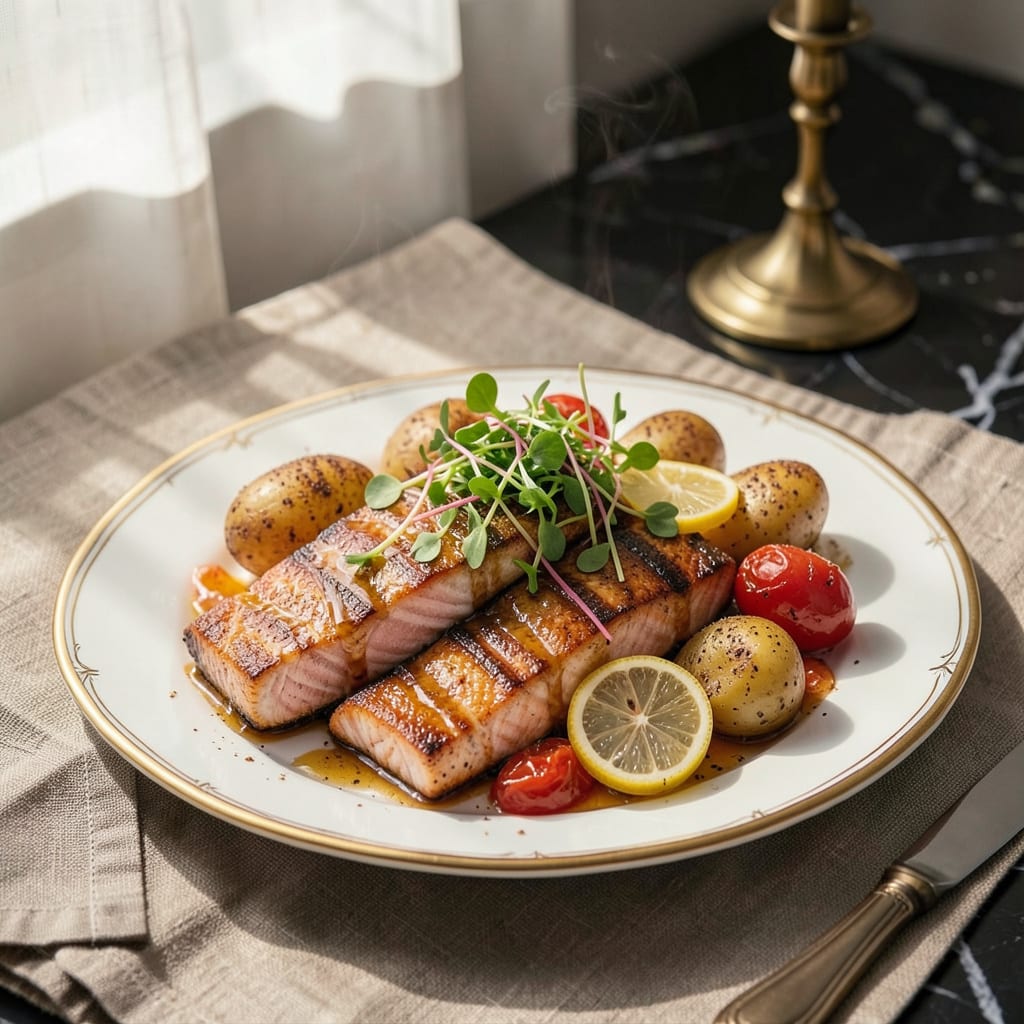
A traditional salon recipe combines crispy fried pork skin (chicharrón) with fresh vegetables like tomatoes, onions, and cucumbers, tossed in a tangy vinegar dressing for a refreshing Filipino appetizer or side dish.
This dish captures the essence of Filipino comfort food by balancing textures and flavors. The crunchy chicharrón provides a satisfying contrast to the crisp, juicy vegetables, while the vinegar-based dressing cuts through the richness. What makes it special is how it transforms simple ingredients into something extraordinary—perfect for hot days or as a palate cleanser. 🔥
I love how salon reflects regional Filipino tastes, with some versions adding boiled eggs or radishes for extra depth. The key is achieving that ideal crunch in the pork skin while keeping the vegetables fresh and vibrant. It’s a dish that celebrates both tradition and adaptability in Filipino cuisine. ✨
💡 In This Article
- Key Ingredients That Define an Authentic Salon Recipe
- Step-by-Step Guide to Perfecting Salon at Home
Key Ingredients That Define an Authentic Salon Recipe
The magic of salon starts with its chicharrón—pork skin fried to golden perfection. Unlike regular pork rinds, authentic salon uses skin with a thin layer of fat attached, creating that signature crispy-yet-chewy texture. The fat renders during frying, leaving behind airy, crackling bubbles while maintaining structure.
In the Philippines, vendors often fry these in large woks at 350-375°F for 12-15 minutes, stirring constantly for even browning. 🔥
Fresh vegetables provide the crucial contrast—typically 3 parts tomato to 2 parts onion to 1 part cucumber. The tomatoes (often the firm Sinta variety) add juicy sweetness, while red onions contribute sharpness. Cucumbers bring cooling crunch, but some regions swap in radishes or green mango for extra tang.
The vegetables must be sliced paper-thin (about 1/16-inch thick) to absorb the dressing without becoming soggy. ✨
The dressing is where the science happens—a precise balance of 1 part vinegar to 1 part water to 1/2 part sugar. White vinegar (5% acidity) is traditional, though some use cane vinegar for depth. The sugar doesn’t just sweeten; it lowers the dressing’s freezing point, helping it penetrate the vegetables faster.
A 30-minute marinade at room temperature lets the flavors meld while keeping the veggies crisp. 🌟
Regional twists show salon’s adaptability. In Pampanga, they add boiled quail eggs for protein. Bicolano versions might include siling labuyo (bird’s eye chili) for heat. The Visayas often use native calamansi instead of vinegar. What never changes is the textural contrast—each bite should have crunch from chicharrón, snap from vegetables, and a tangy finish.
The dressing should coat but not drown the ingredients. 💫
Pro tip: The chicharrón’s crispness depends on drying the skin thoroughly before frying—pat it with paper towels, then air-dry for 10 minutes. This removes moisture that would otherwise cause oil splatter and uneven cooking. The ideal chicharrón pieces are 2-3 inches wide, large enough to hold toppings but small enough to stay crisp when dressed.
⚡
For the vegetables, ice water baths after slicing keep them extra crisp. The dressing should be made fresh—vinegar loses its bright acidity after 2 hours at room temperature. When assembling, toss just before serving; the chicharrón starts softening within 10 minutes of contact with the dressing. This timing ensures every bite delivers that perfect crunch.
💛

- BBQ Sausage Recipe Oven: Smoky Depth Without the Grill - September 28, 2026
- BBQ Chicken Bowl Recipe Rice: Smoky Sweetness Over Fluffy Grains - September 28, 2026
- Beef Cutlet Recipe Ideas: Crispy Breaded Patties With Bold Seasonings - September 28, 2026