
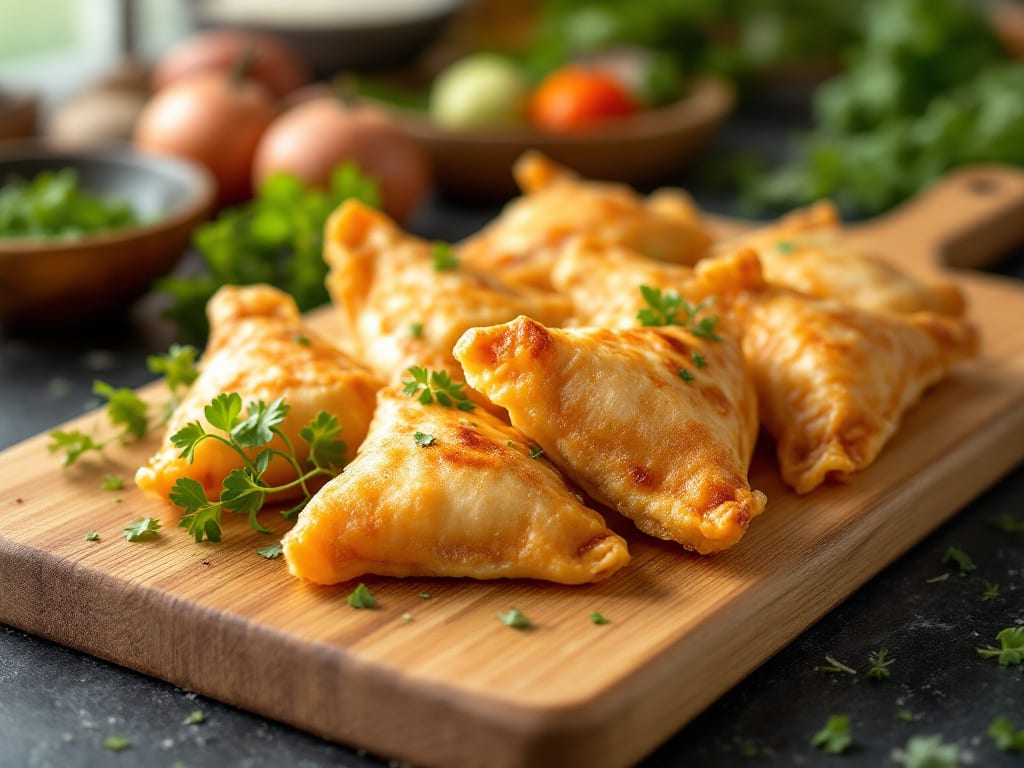
This sambusa recipe delivers the perfect balance of flaky, golden pastry and aromatic spiced filling that makes every bite unforgettable. After years of perfecting the technique, I’ve cracked the code for achieving that signature crispy exterior and tender interior—no shortcuts, just proven methods.
The secret lies in the dough’s precise fat content and the slow development of the filling’s flavors.
The recipe begins with a traditional dough made from flour, ghee, and a touch of baking soda for that signature lightness. Meanwhile, the filling—a spiced blend of potatoes, peas, and minced meat—simmers until the flavors meld into a cohesive, fragrant mixture.
What sets this apart is the careful assembly, where layers of dough are sealed tightly to prevent leaks during frying.
By the time you bite into a freshly fried sambusa, you’ll experience the magic: a flaky, crispy shell that gives way to a burst of warm, spiced filling. The aroma alone—warm spices, caramelized edges, and tender filling—will have your kitchen smelling like a bustling street market.
This is comfort food at its finest, and it’s easier to master than you think.
Whether you’re serving these as appetizers or a main dish, they’re equally impressive. The dough can be baked for a lighter version, or fried for that classic crunch. Once you try this recipe, you’ll never settle for store-bought again—it’s that good.
Ingredients for sambusa
Flaky dough meets aromatic spiced filling—just eight ingredients for golden sambusa perfection.
| Ingredient | Amount | Notes |
|---|---|---|
| All-Purpose Flour 🌾 | 2 ½ cups | For light, flaky dough |
| Ghee 🧈 | ½ cup | Clarified butter for richness |
| Baking Soda 🧂 | ½ tsp | For fluffiness |
| Salt 🧂 | ½ tsp | Fine sea salt |
| Cold Water 💧 | ½ cup | Chilled for best results |
| Potatoes 🥔 | 1 ½ lb | Russet or Yukon gold |
| Peas 🌱 | 1 cup | Fresh or frozen |
| Ground Lamb 🐑 | ¾ lb | 80% lean preferred |
| Onions 🧅 | 1 whole | Yellow or red |
| Green Chilies 🌶️ | 3 whole | Fresh, finely chopped |
| Ginger 🌿 | 1 tbsp | Freshly grated |
| Garlic Cloves 🧄 | 4 cloves | Minced for aroma |
| Ground Cumin 🌿 | 1 tsp | Toasted for depth |
| Ground Coriander 🌿 | 1 tsp | Freshly ground preferred |
| Turmeric Powder 🌶️ | ½ tsp | Bright yellow color |
| Garam Masala 🌶️ | 1 tsp | Warm spice blend |
| Lemon Juice 🍋 | 2 tbsp | Freshly squeezed |
| Vegetable Oil 🫒 | 1 ½ cups | For frying |
Ghee is the secret weapon here. Costco or Whole Foods have it in bulk, and trust me, it’s worth the splurge for that rich, nutty flavor. The flour should be all-purpose—King Arthur or Gold Medal are my go-tos. For the lamb, 80% lean ground lamb gives you the right balance of flavor and tenderness. If you can’t find it, ground beef works in a pinch. The potatoes? Russet or Yukon gold—starchy holds up best to frying. Peas can be fresh or frozen (thawed and drained), but don’t skip them—they add that signature texture.
No ghee? Unsalted butter works, but the flavor won’t be quite the same. Fresh ginger and garlic make all the difference—pre-grated jars lack punch. For the green chilies, serrano or jalapeño work, but adjust the heat to your taste. The garam masala is non-negotiable—look for brands like MDH or Everest at Indian grocery stores. If you’re short on time, pre-made sambusa spice blends from Trader Joe’s can save you a trip to the spice aisle. Just remember: fresh spices always taste better.
The dough keeps for 3 days wrapped in plastic in the fridge, or 3 months frozen. The filling can be prepped ahead and stored for 2 days. Once assembled, sambusa freeze beautifully—fry from frozen for a crispy exterior. I always make a double batch. The first round goes to the table, and the second gets frozen for lazy weeknights. Just remember: let the dough rest before rolling—it makes all the difference.
Why You’ll Love This Recipe
- Flour-Powered Magic: I swear by this dough—just flour, ghee, and cold water. No yeast, no waiting, no fuss. The baking soda gives it that signature lift, and the ghee? Oh, it makes every bite taste like a hug from my grandma’s kitchen.
- Crispy-Creamy Payoff: That first golden crunch gives way to a tender, flaky center—it’s the kind of contrast that makes you close your eyes. The ghee in the dough and the crispy exterior? Pure satisfaction in every bite.
- Party in a Packet: Pack a batch for picnics, potlucks, or just to freeze for lazy days. They reheat like a dream, and honestly? My kids grab them straight from the fridge when I’m too tired to cook.
- Budget-Friendly Staples: You’re using pantry basics here—flour, ghee, salt. No specialty ingredients, no markup. And because they freeze so well, I make a big batch and stretch it across weeks without breaking the bank.
Step-by-step instructions for flaky sambusa
Here’s how to craft perfectly crisp sambusa with layers of flavor and that signature flakiness.
Prepare the Spiced Lamb Filling
In a large skillet, heat 1 tablespoon of vegetable oil over medium heat. Add the 1 whole onion, finely chopped, and sauté for 5 minutes until translucent and golden. Add the 0.75 lb ground lamb and cook, breaking it apart with a wooden spoon, until it loses its raw color and turns lightly browned.
Stir in the 1 tbsp ginger, 4 cloves garlic cloves (minced), 3 whole green chilies (finely chopped), 1 tsp ground cumin, 1 tsp ground coriander, 0.5 tsp turmeric powder, and 1 tsp garam masala. Cook for 3-4 minutes, stirring constantly, until the spices are fragrant and the lamb is fully cooked through. Remove from heat and let cool for 10 minutes. This resting time prevents the filling from getting too warm when you add it to the dough later.
In a separate bowl, combine the 1.5 lb potatoes (peeled and diced into small cubes) and 1 cup peas. Steam them until tender but not mushy—about 8-10 minutes. Drain well and let cool completely. Mix the cooked potatoes and peas into the lamb mixture, then stir in 2 tbsp lemon juice for brightness. The filling should be moist but not wet—if it’s too dry, add 1 teaspoon cold water. Let the filling cool completely before assembling the sambusa.
Make the Flaky Dough
In a large mixing bowl, combine the 2.5 cups all-purpose flour, 0.5 tsp baking soda, and 0.5 tsp salt. Add the 0.5 cup ghee and rub it into the flour with your fingertips until the mixture resembles coarse crumbs with pea-sized ghee pieces. This step is crucial for achieving that flaky texture—don’t overwork the dough or the sambusa will turn out tough.
Gradually add the 0.5 cup cold water, one tablespoon at a time, mixing gently with a fork or wooden spoon. The dough should come together just enough to hold when pressed, but it will feel slightly shaggy. Turn it out onto a lightly floured surface and knead it 5-6 times—just enough to bring it together without developing gluten. Wrap the dough in plastic wrap and let it rest for 30 minutes at room temperature. This resting period relaxes the gluten and makes rolling out the dough much easier.
Roll and Assemble the Sambusa
Divide the rested dough into 8 equal portions (about 60 grams each). Roll each portion into a 6-inch circle on a floured surface, keeping the thickness even—about 1/8 inch. If the dough cracks, gently press it back together with your fingers. The goal is a smooth, even circle that will hold the filling without tearing.
Place 2 tablespoons of the lamb filling near one edge of each dough circle. Fold the dough over the filling to create a half-moon shape, then seal the edges by pinching them together firmly. Use a fork to crimp the edges for extra security—this prevents the filling from leaking out during frying. Place the assembled sambusa on a floured tray, seam-side down, and cover with a clean kitchen towel to keep them from drying out.
Fry to Golden Perfection
Heat 1.5 cups vegetable oil in a deep skillet or Dutch oven over medium heat until it reaches 350°F. You can test the oil by dropping a small piece of dough into it—it should sizzle and rise to the surface immediately. Fry 2-3 sambusa at a time, being careful not to overcrowd the pan. This ensures even cooking and prevents the oil temperature from dropping too much.
Fry for 3-4 minutes per side, turning gently with a slotted spoon, until the sambusa are deep golden brown and crispy all over. They’re done when the dough is fully cooked through and the filling is heated through. Drain on a wire rack or paper towels to remove excess oil. Serve the sambusa warm with a side of tamarind chutney or mint yogurt dip for the perfect balance of flavors.
Pro Tips For Making Sambusa
- Use Cold Ghee, Not Warm: I learned this the hard way—mixing baking soda with warm ghee kills its lift. Scoop chilled ghee straight from the fridge and fold it into the flour last, right before adding cold water. The dough will puff up like magic instead of turning dense.
- Rest the Dough 30 Minutes: Skipping this step makes the pastry tough. After kneading, let the dough sit covered at room temp while you prep the filling. The gluten relaxes, so the sambusas stay tender—no more rubbery bites.
- Pinch Salt Early: Taste the dough before shaping. If it’s bland, add a pinch of salt now (not later). Baking soda needs salt to work properly, and you’ll avoid over-salting the filling later.
- Fold, Don’t Roll: Press the filling into the dough, then fold the edges tightly—don’t roll like a burrito. This keeps the filling secure and gives that classic pleated look. Use your fingers to pinch the seams shut.
Troubleshooting this recipe
Dough Cracks During Rolling
The most common issue with sambusa dough is cracking when rolling. This happens when the dough isn’t rested long enough or the flour isn’t properly hydrated. Let the dough rest for the full 30 minutes—this relaxes the gluten strands.
If it still cracks, add 1 teaspoon cold water at a time until it becomes slightly tacky but not sticky. For extra insurance, gently press cracks back together with your fingers before rolling. 💡
Filling Leaks During Frying
Leaky sambusa usually means the edges weren’t sealed tightly enough. After folding the dough over the filling, pinch the edges firmly with your thumb and forefinger, then use a fork to crimp them in a decorative pattern.
For extra security, brush the edges with a little egg wash before sealing. If the filling is too wet, squeeze out excess moisture with a paper towel before assembling. 🔥
Oil Temperature Too Low
If your sambusa turn out greasy instead of crispy, your oil temperature is likely too low. Use a deep-fry thermometer to maintain 350°F. If you don’t have one, test the oil by dropping a small piece of dough—it should sizzle immediately and float.
Avoid overcrowding the pan, as too many sambusa will lower the temperature. Fry in batches of 2-3 at a time for even cooking. ⚡
Dough Turns Tough
Overworking the dough is the main culprit for toughness. Knead only 5-6 times—just enough to bring it together. If the dough feels resistant, it’s likely over-kneaded. For extra flakiness, ensure the ghee is evenly distributed in the dough before adding water.
If the dough feels dry, add ½ teaspoon cold water at a time until it holds together without sticking to your fingers. 🌾
Uneven Cooking
Unevenly cooked sambusa often result from inconsistent dough thickness or improper oil circulation. Roll each dough circle to a uniform 1/8-inch thickness, and use a rolling pin with even pressure.
Stir the oil occasionally while frying to maintain even heat distribution. If one side cooks faster, reduce the heat slightly and fry for 30 seconds longer per side. 🌡️
Filling Not Cooked Through
If the filling stays cold inside, it’s likely because the sambusa weren’t fried long enough or the oil wasn’t hot enough. Fry for the full 3-4 minutes per side until the dough is deep golden brown.
For extra insurance, let the sambusa rest for 2-3 minutes after frying—the filling will continue cooking from residual heat. If the filling is still undercooked, reheat in a 350°F oven for 5 minutes. 💫
Nutrition facts
Frequently asked questions
What’s the difference between sambusa and samosa?
The terms are often used interchangeably, but traditionally, sambusa refers to the Middle Eastern version with a flaky, layered dough, while samosa is the South Asian style with a slightly firmer, puffed pastry. Both use similar fillings, but sambusa dough incorporates more ghee for extra richness and flakiness.
Can I make sambusa dough ahead of time?
The dough keeps well for 3 days wrapped in plastic in the fridge, or 3 months frozen. Thaw overnight in the refrigerator before using. For best results, let it sit at room temperature for 15 minutes after thawing to make rolling easier.
How do I prevent soggy sambusa?
Soggy sambusa usually happen from steam buildup during frying. Always drain on a wire rack (not paper towels) to remove excess oil, and serve immediately. For extra crispiness, brush the fried sambusa with melted ghee or oil right after frying.
What can I substitute for lamb in the filling?
For a vegetarian version, swap the lamb for 1 cup cooked lentils or 1 cup crumbled tofu. Chicken or turkey works too, but lamb gives the most authentic flavor. If using plant-based proteins, add 1 extra tablespoon of lemon juice to keep the filling from getting too wet.
Can I bake sambusa instead of frying?
Yes! Brush the assembled sambusa with oil, then bake at 400°F for 15-18 minutes until golden. For extra crispiness, broil for 2-3 minutes at the end. Baked versions are lighter but still delicious—just watch them closely to prevent burning.

- Minced Meat Spaghetti Recipe: One-Pan Italian Comfort with Rich Ragù - November 29, 2026
- Aki’s Guava Chiffon Cake Recipe: Light, Airy Layers with Tropical Flavor Burst - November 29, 2026
- Chicken Pelau Recipe: Caribbean-Style Rice with Tender Chicken and Pigeon Peas - November 29, 2026