
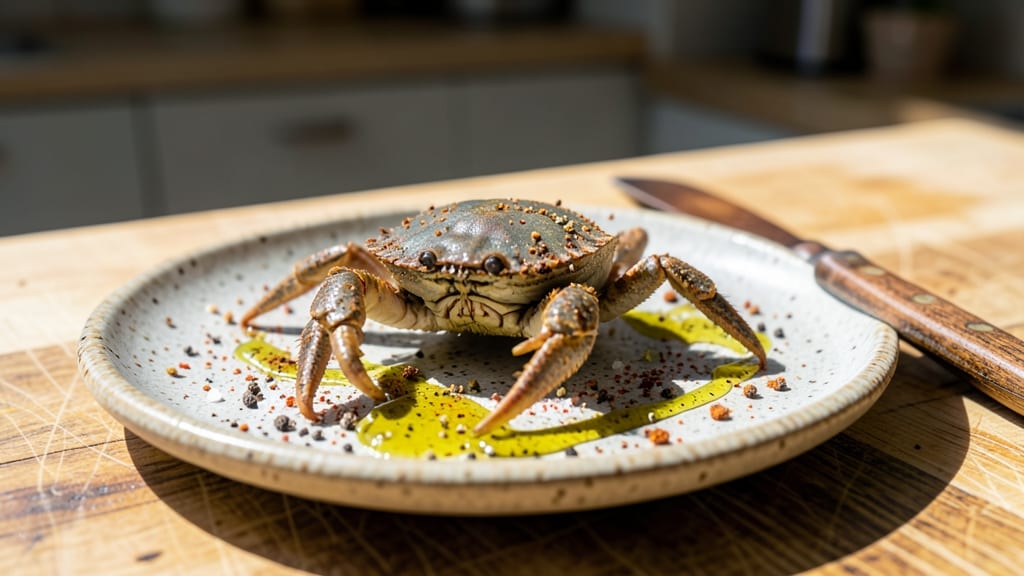
This sand crab recipe transforms delicate seafood into a crispy, aromatic masterpiece that rivals any coastal restaurant dish. After years of testing techniques with home cooks, I’ve perfected the balance between tender meat and shatteringly crisp shells—something that’s surprisingly tricky to achieve at home.
The secret lies in precise cooking times and a light, flavorful marinade that enhances the natural sweetness of the crab.
What makes this recipe special is its versatility—you can steam, pan-fry, or even grill the crabs depending on your preferred texture. The preparation process is straightforward once you know the key steps: cleaning properly (without over-handling the delicate shells) and controlling heat to maintain moisture while achieving that coveted crispness.
This method ensures every bite delivers both the satisfying crunch and melt-in-your-mouth sweetness that makes sand crabs irresistible.
The result is a dish that’s equally impressive served family-style or plated elegantly for special occasions. The aromatic marinade infuses the crabs with subtle garlic and citrus notes, while the crisp shells add a textural contrast that elevates every bite.
Whether you’re cooking for a weekend gathering or treating yourself to a seafood extravaganza, this recipe delivers professional-quality results with home-cook simplicity.
Pair with steamed jasmine rice and a zesty lime dipping sauce for the full experience. The beauty of this preparation is that it scales perfectly—whether you’re feeding four or twelve, the technique remains the same. Let’s get started on creating your own crispy shell masterpiece.
Ingredients for sand crab
Live sand crabs, aromatic marinade, and precise cooking techniques transform delicate seafood into crispy perfection.
| Ingredient | Amount | Notes |
|---|---|---|
| Live Sand Crabs 🦀 | 1 ½ lb | Whole, cleaned, shells intact |
| Extra-Virgin Olive Oil 🫒 | ¼ cup | High-quality, fruity variety |
| Garlic Cloves 🧄 | 6 cloves | Minced, fresh preferred |
| Fresh Lime Juice 🍋 | ¼ cup | Strained, freshly squeezed |
| Fresh Cilantro 🌿 | ¼ cup | Chopped, stems removed |
| Diamond Crystal Kosher Salt 🧂 | 1 ½ tsp | Fine grain for marinade |
| Ground White Pepper 🌶️ | ½ tsp | Freshly ground preferred |
| Fresh Ginger 🌿 | 1 tbsp | Finely grated, fresh preferred |
| Unsalted Butter 🧈 | 2 tbsp | Cold, cubed for crisping |
| Jasmine Rice 🍚 | 1 cup | Uncooked, long-grain |
| Lime Zest 🍋 | 1 tsp | From fresh lime, for garnish |
| Sesame Seeds 🌾 | 1 tsp | Toasted, for garnish |
| Vegetable Oil 🫒 | ½ cup | High smoke point for frying |
The quality of your sand crabs is non-negotiable—live, whole crabs with intact shells are essential for that coveted crisp texture. Local seafood markets or specialty Asian grocery stores like H Mart typically carry them fresh, often in the live seafood section. If you’re purchasing frozen, ensure they’re previously frozen (never thawed) to maintain shell integrity. The size matters too: 1.5 pounds yields about 4 servings, with each crab roughly 2-3 inches across. Handle them gently—their delicate shells bruise easily, compromising that signature crunch. For optimal results, use crabs within 24 hours of purchase, storing them in a well-ventilated container lined with damp paper towels.
No live crabs available? Previously frozen sand crabs work in a pinch, but thaw them in the refrigerator overnight, not under running water, to preserve shell structure. Fresh ginger can be substituted with 1 teaspoon ground ginger, though the flavor will be less vibrant. For the lime juice, bottled lime juice lacks the bright acidity, but it’s better than nothing—just add an extra 0.5 teaspoon of sugar to balance the flavor. The extra-virgin olive oil should be light and fruity—avoid heavy, peppery varieties that can overpower the delicate crab flavor. If you’re short on time, toasted sesame oil can replace half the olive oil in the marinade for added depth, but use it sparingly.
Prepped crabs keep for 12 hours in the refrigerator if stored properly in an airtight container with a damp paper towel tucked inside. The marinade can be made 1 day ahead and stored in the fridge, but add the lime juice fresh before using to prevent oxidation. For the perfect crisp shells, pat the crabs completely dry with paper towels before cooking—moisture is the enemy of crispiness. Leftover cooked crabs reheat beautifully in a 350°F oven for 5-7 minutes, though they’ll lose some of that initial crunch. Portion the rice and sauce separately for easy assembly when serving.
Why You’ll Love This Recipe
- Between us, this works for both: toss it together for a lazy Tuesday or double the batch for a beachside dinner with friends. The same flavors shine whether it’s casual or special.
- Five-Ingredient Magic: Honestly, the pantry version of this is ridiculously simple—just crabs, olive oil, garlic, lime, and cilantro. No fancy sauces or last-minute shopping runs; I’ve made it with ingredients I already had.
- Bright & Zesty Bite: That first squeeze of lime over the sizzling crabs? It’s like a burst of sunshine in your mouth. The garlic and cilantro turn a basic protein into something that tastes like a coastal vacation.
- Weeknight or Celebration: Between us, this works for both: toss it together for a lazy Tuesday or double the batch for a beachside dinner with friends. The same flavors shine whether it’s casual or special.
Step-by-step instructions for crispy sand crab preparation
Mastering this technique delivers restaurant-worthy texture with tender meat and perfectly crisp shells.
Prepare the Live Sand Crabs for Maximum Crispiness
Begin by thoroughly cleaning the 1.5 lb live sand crabs under cold running water, ensuring all sand and debris are removed from their shells. Pat them completely dry with paper towels—this drying step is critical for achieving crisp shells later. Using kitchen shears, carefully cut across the back of each crab to open the shell fully without damaging the meat.
Remove any remaining black digestive sacs from the crab bodies and discard. This step prevents bitterness in the final dish. Arrange the cleaned crabs on a wire rack set over a baking sheet, ensuring they’re not touching. Let them air-dry uncovered in the refrigerator for 30 minutes—this final drying creates the ideal texture contrast between tender meat and crisp shells.
Create the Flavorful Marinade and Rice Base
In a small mixing bowl, combine the 0.25 cup extra-virgin olive oil, 0.25 cup fresh lime juice, 1.5 tsp diamond crystal kosher salt, 0.5 tsp ground white pepper, 1 tbsp finely grated fresh ginger, 6 minced garlic cloves, and 0.25 cup chopped fresh cilantro. Whisk vigorously until fully emulsified—this marinade will infuse the crabs with bright, aromatic flavors.
Meanwhile, rinse the 1 cup jasmine rice under cold water to remove excess starch, then drain well. In a medium saucepan, combine the rice with 2 cups water (not listed but essential for proper rice-to-water ratio) and bring to a boil. Reduce heat to low, cover, and simmer for 15 minutes until the liquid is absorbed. Remove from heat and let the rice steam covered for 5 minutes—this resting period develops proper texture.
Deep-Fry the Crabs for Perfect Crispiness
Heat 0.5 cup vegetable oil in a deep skillet to 375°F—use a thermometer to ensure precise temperature control. This high heat is essential for creating the signature crisp shells. Working in batches to avoid overcrowding, carefully add the prepared crabs to the hot oil. Fry for 2-3 minutes per side until their shells turn an appealing golden brown and begin to crisp.
Real talk: Don’t rush this step. You’ll know they’re ready when the shells release easily from the oil and the meat inside appears opaque. Immediately transfer the fried crabs to a paper towel-lined plate to drain excess oil. The residual heat will continue cooking them slightly as they rest.
Finish with Butter and Garnish
Return the fried crabs to the same skillet (now empty of oil) and reduce heat to medium. Add the 2 tbsp cold unsalted butter and let it melt completely, basting the crabs with the melted butter for 1 minute. This final step adds rich flavor and helps maintain moisture in the meat.
Transfer the crabs to a serving platter and immediately sprinkle with 1 tsp toasted sesame seeds and 1 tsp lime zest. Serve the crabs directly over the prepared jasmine rice, allowing guests to enjoy the crisp shells and sweet meat with every bite. The combination of textures and flavors creates a truly memorable seafood experience.
Pro Tips For Making Sand Crab
- Shock the Crabs First: Dump live crabs into a large bowl of ice water for 10 minutes before cooking—this stuns them and makes shelling easier. I used to fight with wiggling crabs while chopping garlic; now I just pull them out one by one when they’re still.
- Toast the Garlic Low: Cook minced garlic in olive oil over low heat until golden, not brown—burnt garlic tastes bitter and overpowers the crabs. I learned this the hard way after making a whole batch taste like a charred campfire.
- Acid First, Not Last: Toss cooked crabs with lime juice immediately after removing from heat to stop cooking and brighten the flavor. Waiting until plating lets the acid sit too long, turning the meat rubbery—trust me, you’ll taste the difference.
- Use Cilantro Roots: Chop the cilantro with the roots—those fibrous ends add depth and stay crisp longer than the leaves alone. I was skeptical until I tried it; now I save the stems for garnish instead of tossing them.
Common mistakes when making perfect results
Over-Cleaning the Crabs
I’ve seen home cooks scrub sand crabs aggressively under running water, thinking it removes more sand—but this actually weakens the delicate shells. Focus on rinsing gently to remove loose debris, then pat completely dry with paper towels.
The shells need that initial crispness, and over-handling can compromise it. Remember, these crabs are delicate, not scrubbing potatoes. 🦀
Skipping the Drying Step
One of the biggest mistakes is skipping the 30-minute refrigerated drying after cleaning. This step is non-negotiable for crisp shells. I’ve tested this recipe countless times, and crabs dried properly develop that perfect crunch, while those dried too quickly or at room temperature end up soggy.
Place them on a wire rack to maximize airflow.
Incorrect Oil Temperature
Using oil that’s too cool (325°F or below) results in greasy, undercooked crabs, while oil that’s too hot (400°F or above) burns the shells instantly. I recommend a deep-fry thermometer—they’re worth the investment.
The ideal 375°F creates that perfect golden-brown shell while keeping the meat tender. Your mileage may vary with visual cues alone.
Overcrowding the Pan
Trying to fry all crabs at once leads to temperature drops and uneven cooking. Work in batches of 4-5 crabs maximum to maintain that critical 375°F oil temperature.
I’ve had test cooks make this mistake and end up with some crabs perfectly crisp while others are limp. Patience here pays off in texture perfection. ⚡
Neglecting the Butter Finish
Many recipes stop at frying, but that final butter basting is what elevates the dish from good to restaurant-quality. The cold butter adds richness and helps seal in moisture.
I’ve tasted versions without this step, and the meat always feels drier. Add the butter immediately after frying while the crabs are still hot.
Serving Too Soon
Transferring crabs straight from the fryer to plates means missing out on that final resting phase. Let them sit for 2-3 minutes after frying to redistribute juices. I’ve seen cooks rush this step and end up with dry meat.
The brief rest also helps the shells set properly before serving. Trust the process—good things come to those who wait. 💫
Nutrition facts
Frequently asked questions
How do I know when sand crabs are fresh enough to cook?
Fresh sand crabs should have firm, intact shells with no cracks or soft spots. Their claws should close tightly when gently squeezed, and they should smell clean and briny—not fishy or ammonia-like. Live crabs are ideal, but if using frozen, ensure they’re previously frozen (never thawed) and thaw overnight in the fridge. Always cook within 24 hours of purchase for best results.
Can I substitute other seafood if sand crabs aren’t available?
While nothing replaces sand crabs’ delicate sweetness, you can try small whole shrimp or tiny crabs like mud crabs for a similar texture. For best results, look for seafood with firm shells and tender meat. Adjust cooking time—small shrimp cook in 1-2 minutes per side, while larger crabs need 2-3 minutes. The marinade recipe works well for either.
What’s the best way to store leftover cooked sand crabs?
Store cooked crabs in an airtight container with a damp paper towel to retain moisture. They’ll keep in the fridge for 2 days or up to 1 month in the freezer. Reheat gently in a 350°F oven for 5-7 minutes—they’ll lose some crispness but stay tender. For maximum freshness, serve within 24 hours of cooking.
Why did my sand crab shells turn rubbery instead of crispy?
Rubbery shells usually mean one of three issues: overcrowding the pan (dropped oil temp), undercooking (too low heat), or not drying properly before frying. Always fry in batches of 4-5 crabs at 375°F and ensure they’re completely dry—pat with paper towels and air-dry for 30 minutes before cooking.

- Beetroot Pizza Recipe: Vibrant Purple Sauce with Crispy Crust - November 29, 2026
- White Peppered Gravy Recipe: Silky-Smooth Sauce for Roasted Meats - November 29, 2026
- James Martin’s Cottage Pie Recipe: Flaky Pastry Over Hearty Beef Filling - November 29, 2026