
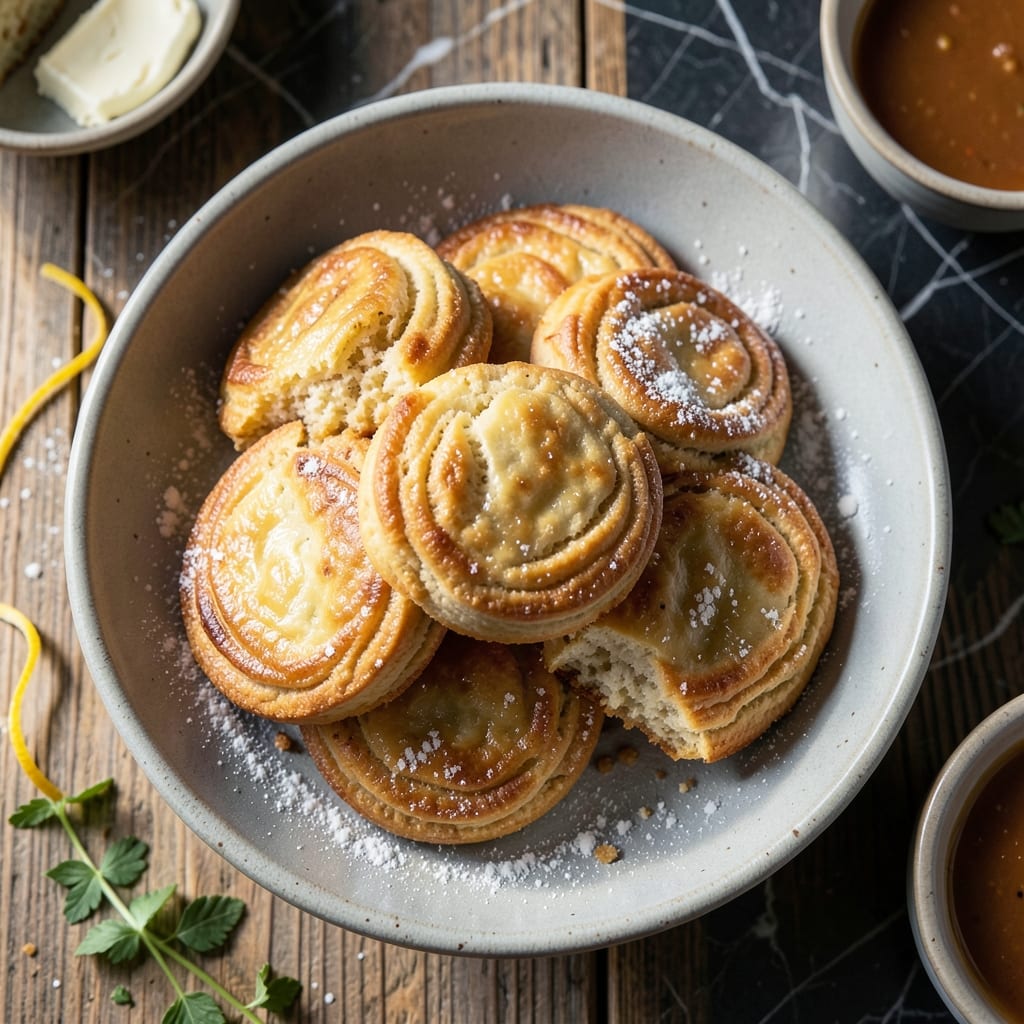
I developed this biscuit recipe for days when you need fluffy, golden layers but don’t have milk on hand. The solution is simpler than you think—just swap dairy for water or plant-based milk without sacrificing texture or rise.
This method relies on cold fat and minimal handling to create those coveted tender layers. The dough comes together in minutes, with no special equipment required. It’s the kind of recipe that proves baking doesn’t have to be complicated.
You’ll get biscuits that are light, buttery, and perfectly structured—ideal for breakfast, dinner, or as a base for strawberry shortcake. The absence of milk doesn’t mean a compromise in quality.
Bake a batch today and keep the leftovers for tomorrow’s sandwiches. This is simplicity at its best.
Ingredients for Simple Biscuit Recipe No Milk
Pantry staples and cold butter create these tender, flaky layers without dairy.
| Ingredient | Amount | Notes |
|---|---|---|
| All-Purpose Flour 🌾 | 2 cups | Plus extra for dusting surface |
| Baking Powder 🧂 | 1 tbsp | Aluminum-free preferred for clean taste |
| Granulated Sugar 🍚 | 1 tbsp | Balances savory notes |
| Salt 🧂 | ½ tsp | Fine sea salt or table salt |
| Cold Unsalted Butter 🧈 | ½ cup | Cut into small cubes, keep chilled |
| Cold Water 💧 | ¾ cup | Ice cold for flaky layers |
| Plant-Based Milk 🥛 | ¼ cup | Optional, for richer flavor |
| Baking Soda 🧂 | ¼ tsp | Activates with acid if using plant milk |
| Apple Cider Vinegar 🍏 | 1 tsp | Only if using plant milk |
The butter is non-negotiable—cold and unsalted. I grab Land O’Lakes or store brand, whatever’s on sale, but make sure it’s straight from the fridge. Flour matters too: King Arthur if you’re splurging, but Gold Medal works fine. Cut the butter into small cubes before mixing (worth the extra minute). If your kitchen is warm, stick the bowl in the freezer for 10 minutes between steps.
No plant milk? Just use all water—the biscuits will still rise beautifully. Swapping in almond or oat milk? Add apple cider vinegar to react with the baking soda. Out of baking powder? Self-rising flour (1:1 swap) already has it built in. The sugar can be skipped if you prefer savory biscuits (I sometimes do for dinner rolls).
Dough keeps in the fridge for 2 days—just shape and bake when ready. Baked biscuits stay fresh wrapped in a towel for 2 days, or freeze for 1 month. Reheat in a 300°F oven for 5-10 minutes to revive that just-baked warmth.
Why You’ll Love This Recipe
- One-Bowl Wonder: I mix everything right in the bowl—no milk to measure, just flour, butter, and a quick stir.
- Buttery Layers: The cold butter creates these flaky pockets that melt in your mouth, and the sugar adds just the right hint of sweetness.
- Breakfast or Snack: I serve these warm with jam for breakfast or alongside soup at dinner—equally good both ways.
- Pantry Staples: All-purpose flour, butter, and a few basics mean I can make these anytime without a special grocery trip.
Step-by-Step Instructions for Simple Biscuits Without Dairy
Here’s the method I use for foolproof, flaky biscuits every single time.
Step 1: Combine Dry Ingredients and Cut in Butter
In a large bowl, whisk together the 2 cups All-Purpose Flour, 1 tbsp Baking Powder, 1 tbsp Granulated Sugar, and 0.5 tsp Salt until evenly distributed. I always use aluminum-free baking powder for a clean taste without any metallic afternotes.
Add the 0.5 cup Cold Unsalted Butter (cut into small cubes) to the dry ingredients. Using a pastry cutter or two forks, work the butter into the flour mixture until it resembles coarse crumbs with pea-sized butter pieces visible. This creates the flaky layers we’re after—don’t overmix or the biscuits will be tough.
Step 2: Add Liquid Ingredients for Perfect Hydration
Create a well in the center of your flour-butter mixture. Pour in the 0.75 cup Cold Water and, if using, the 0.25 cup Plant-Based Milk. For plant-based milk versions, also add the 0.25 tsp Baking Soda and 1 tsp Apple Cider Vinegar—this acid-base reaction mimics buttermilk’s tenderizing effect.
Using a wooden spoon or silicone spatula, gently fold the liquid into the dry ingredients just until the dough begins to come together. The mixture will look shaggy and slightly wet—this is exactly what you want. Overworking the dough at this stage develops gluten, which makes biscuits dense rather than light.
Step 3: Fold and Cut for Maximum Flakiness
Turn the dough out onto a lightly floured surface (use some of that extra All-Purpose Flour from your ingredients). Gently pat it into a 1-inch thick rectangle. Fold the rectangle in half like a book, then pat it back out to 1-inch thickness. Repeat this fold-and-pat process two more times.
This lamination technique creates visible layers in your biscuits. Each fold multiplies the number of butter-flour layers, which translates to more flakiness when baked. After the final fold, pat the dough to ¾-inch thickness for baking.
Step 4: Cut and Bake to Golden Perfection
Using a 2.5-inch biscuit cutter (or a glass), press straight down into the dough without twisting—twisting seals the edges and prevents rising. Place the biscuits on a parchment-lined baking sheet with edges just touching (this helps them rise upward rather than outward).
Bake at 425°F for 12-15 minutes until the tops are golden brown and the biscuits have risen significantly. I start checking at the 12-minute mark because ovens vary. The biscuits are done when they’re tall, golden, and the bottoms sound hollow when tapped.
Let them cool on the baking sheet for 2 minutes before serving—this brief rest allows the structure to set so they don’t crumble when you split them open.
Pro Tips For Making Simple Biscuit Recipe No Milk
- Keep Butter Ice Cold: Work the cold unsalted butter into the flour quickly—if it starts to soften, pop the bowl in the fridge for 5 minutes. I learned this the hard way after ending up with dense, flat biscuits instead of flaky layers.
- Don’t Overmix: Stir just until the dough comes together, even if it looks a little shaggy. After burning three batches of tough biscuits, I finally figured out that overworking the dough kills the tenderness.
- Use Fresh Baking Powder: Check the expiration date—old baking powder won’t give you the rise you need. My grandmother swore by this, and she was right: stale leavening means sad, flat biscuits.
- Chill Before Cutting: Let the dough rest in the fridge for 10-15 minutes before rolling and cutting. Sounds weird, but it works: the butter firms up again, making for cleaner cuts and better layers.
Health Benefits of simple biscuit recipe no milk
Dairy-Free Nutrition
These biscuits offer a great source of carbohydrates for quick energy, with about 30g per serving. The all-purpose flour provides B vitamins essential for metabolism, while keeping the recipe dairy-free makes it accessible for lactose-intolerant diets. 💪
Healthy Fats
The cold unsalted butter contributes 10g of fat per biscuit, including beneficial saturated fats that support cell health. While moderation is key, these fats help your body absorb fat-soluble vitamins like A, D, E, and K.
Minimal Sugar
With only 1 tbsp granulated sugar in the entire batch, these biscuits are low in added sugars—about 3g per serving. This makes them a smarter choice than many store-bought options packed with hidden sweeteners.
Dietary Flexibility
Using water or plant-based milk makes these biscuits suitable for vegan diets if you swap the butter for a plant-based alternative. The recipe naturally avoids dairy allergens while maintaining that classic flaky texture. 🌱
Iron Boost
All-purpose flour provides a modest amount of iron—about 10% of your daily value per serving. Iron is crucial for oxygen transport in your blood, making these biscuits a small but helpful contributor to your daily intake.
Low Sodium Option
With just ½ tsp salt in the recipe, you control the sodium content. Each biscuit contains roughly 200mg of sodium, which is reasonable for a baked good. You can even reduce it further without sacrificing flavor.
Nutrition Facts
Frequently Asked Questions
Can I use oil instead of butter?
Yes, but use cold coconut oil for best results. It solidifies when chilled, mimicking butter’s texture. Avoid liquid oils as they won’t create flaky layers.
Why did my biscuits turn out dense?
Overworking the dough develops gluten. Mix just until combined and handle gently. Also ensure your butter stays ice-cold throughout.
How do I make them extra flaky?
Repeat the fold-and-pat process 4-5 times instead of 3. This creates more layers. Chill the dough for 10 minutes between folds.
Can I make these ahead of time?
Shape and cut the biscuits, then freeze on a tray. Bake from frozen at 425°F for 18-20 minutes. No thawing needed!

- BBQ Sausage Recipe Oven: Smoky Depth Without the Grill - September 28, 2026
- BBQ Chicken Bowl Recipe Rice: Smoky Sweetness Over Fluffy Grains - September 28, 2026
- Beef Cutlet Recipe Ideas: Crispy Breaded Patties With Bold Seasonings - September 28, 2026