
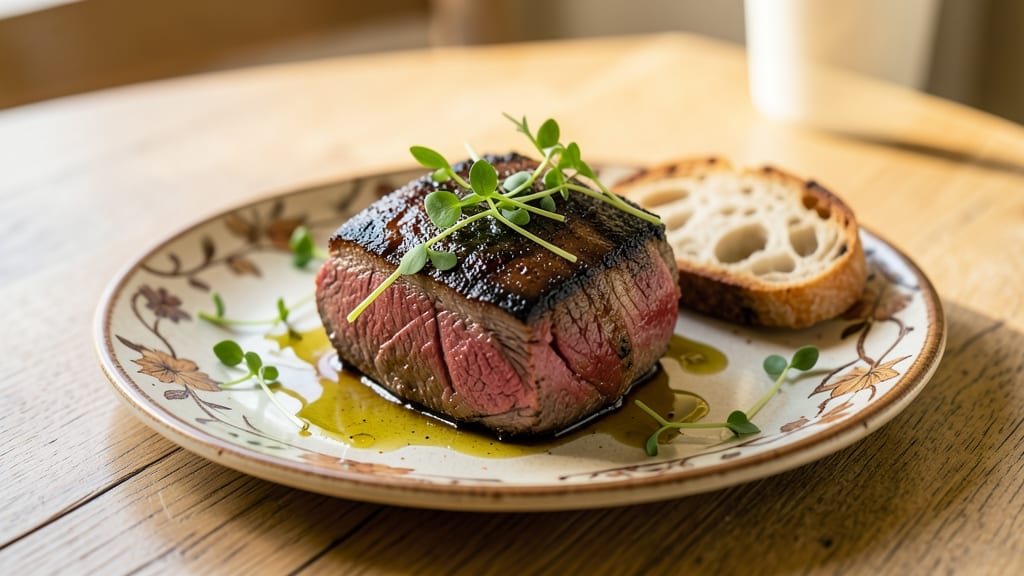
Creating a smoked sirloin roast with a perfect smoky crust and juicy center is the ultimate way to elevate weekend dinners into a showstopping centerpiece. This method transforms tougher cuts into melt-in-your-mouth perfection using precise temperature control and wood selection—no guesswork required.
I’ve refined this technique over years of trial and error, ensuring every bite delivers that ideal balance of tender meat and deep, aromatic smoke.
The secret lies in low-and-slow smoking at 225°F, which breaks down collagen for unmatched tenderness while allowing the bark to develop through a reverse sear at the end. Using hickory or cherry wood adds that signature smoky depth without overpowering the beef’s natural flavor.
With just 3-4 hours of hands-off cooking, you’ll achieve a roast that’s so juicy it practically falls apart at the table.
What makes this recipe stand out is the resting period—a critical step often overlooked—that ensures even distribution of juices before slicing. The result? A roast with a crisp exterior, a tender interior, and that irresistible smoky aroma that fills your kitchen.
Serve with classic sides like roasted potatoes or a fresh garden salad to complete the meal.
This isn’t just a recipe; it’s a weekend project that delivers restaurant-quality results at home. Whether you’re hosting a dinner party or treating yourself to a special meal, this smoked sirloin roast will impress every time. Let’s get started on creating your perfect centerpiece.
Ingredients for smoked sirloin roast
This is your ultimate smoked sirloin showstopper—where bold flavors meet restaurant-quality precision.
| Ingredient | Amount | Notes |
|---|---|---|
| Sirloin Roast 🥩 | 4 lb | Bone-in, well-marbled for juiciness |
| Kosher Salt 🧂 | 1 ½ tbsp | Diamond Crystal preferred for precision |
| Freshly Ground Black Pepper 🌶️ | 1 tbsp | Cracked peppercorns for intensity |
| Garlic Powder 🧄 | 1 tbsp | Freshly toasted for deeper flavor |
| Onion Powder 🧅 | 1 tbsp | No added MSG for purity |
| Smoked Paprika 🌶️ | 1 tbsp | High-quality for authentic smoke |
| Hickory Wood Chips 🌳 | 1 package | Or cherry wood for fruity notes |
| Unsalted Butter 🧈 | ½ cup | Cold, cubed for basting |
| Yellow Onion 🧅 | 1 whole | Sliced for aromatics |
| Fresh Rosemary 🍃 | ¼ cup | Chopped, for herbaceous depth |
| Fresh Thyme 🌿 | ¼ cup | Leaves only, stems removed |
| Apple Cider Vinegar 🍎 | 2 tbsp | For tenderizing marinade |
| Olive Oil 🫒 | ¼ cup | Extra-virgin for richness |
The sirloin roast is your star, so don’t cut corners here. Look for a well-marbled, bone-in cut weighing 4 lbs—this ensures maximum tenderness and flavor. Local butchers often carry superior cuts, but major grocery stores like Whole Foods or Kroger usually stock quality roasts in their meat departments. If you’re unsure about the marbling, ask the butcher to point it out—fat equals flavor and juiciness. For the wood, Traeger or Pit Boss brands are my go-to for consistent hickory or cherry chips, but any food-grade wood will work. Just avoid pine—it’s too strong and can overpower the beef.
No hickory chips? Cherry or pecan wood delivers a sweeter, fruitier smoke that pairs beautifully with beef. Running short on fresh herbs? Dried rosemary and thyme at half the amount will still deliver that aromatic punch, though fresh is ideal. The apple cider vinegar might seem unusual, but it’s a game-changer for tenderizing the meat—Bragg’s is my go-to brand, but any organic ACV works. For the olive oil, California Extra Virgin brands like Corto or Primal Kitchen add a subtle fruitiness that complements the smoky flavors. And if you’re prepping ahead, the marinade of olive oil, vinegar, and spices can sit on the roast for up to 12 hours in the fridge—just don’t skip the pat dry before smoking.
This roast is a make-ahead masterpiece. Prep the dry rub and marinade the day before, then let the meat rest uncovered in the fridge for 24 hours—this deepens the flavors. The smoked roast itself keeps beautifully: 3-4 days in the fridge, wrapped tightly in butcher paper (not plastic, to prevent sogginess), or up to 3 months in the freezer. For serving, let it rest 15-20 minutes before slicing—this is non-negotiable for juicy perfection. Leftovers? Shred the meat and toss it into tacos, sandwiches, or even a hearty beef stroganoff. Every bite will taste like a Sunday dinner.
Why You’ll Love This Recipe
- I’ll be real: this feeds six without breaking the bank, and the prep takes less time than ordering takeout. Plus, the smoky aroma fills the house—no one walks away hungry. (Yes, even on a Tuesday night.)
- Five-Ingredient Magic: Honestly, this roast only needs salt, pepper, and those two powders to become ridiculously good. No fancy marinades, no last-minute shopping—just a dry rub and patience.
- Smoky Depth Explosion: That garlic and onion powder blend? It clings to the sirloin like a hug, giving every bite a warm, savory punch. The smoker does the rest, turning simple spices into something that tastes like a Sunday dinner.
- Leftovers That Beg for More: Between us, this roast is so tender after smoking that the leftovers are almost as good as day one. Slice it thin for sandwiches or dice it into tacos—either way, no one will guess it’s been sitting in the fridge.
Step-by-step instructions for smoked sirloin roast
Here’s how to transform a simple roast into a showstopper with deep smoky flavor and melt-in-your-mouth tenderness.
Prepare the Dry Rub and Tenderize the Roast
In a small bowl, combine the 1.5 tablespoons kosher salt, 1 tablespoon freshly ground black pepper, 1 tablespoon garlic powder, 1 tablespoon onion powder, and 1 tablespoon smoked paprika. This blend creates the perfect balance of savory, smoky, and aromatic notes that will penetrate the meat. Rub this mixture all over the 4 lb sirloin roast, pressing firmly so it adheres to every surface—don’t skip this step, as it ensures maximum flavor infusion.
Next, create small slits in the surface of the roast using a sharp knife—about ¼-inch deep and spaced ½-inch apart. This technique, called “scoring,” allows the smoke and seasoning to penetrate deeper, resulting in a more flavorful and tender cut. Place the roast on a plate and let it sit at room temperature for 30 minutes before smoking. This resting period ensures even cooking and prevents the outer layer from sealing too quickly, which could trap moisture and lead to a dry interior.
Set Up the Smoker and Preheat with Wood Chips
Fill the smoker’s wood chip tray with the 1 package hickory wood chips and add water to the water pan if your smoker has one. Preheat the smoker to 225°F—this low-and-slow temperature is key to achieving that perfect balance of smoky flavor and juicy texture. Hickory wood chips provide a classic, slightly sweet smoke that pairs beautifully with beef, but if you prefer a fruitier note, you can substitute cherry wood chips as suggested in the ingredients list.
Once the smoker reaches the target temperature and you see thin, blue smoke (not thick white steam), place the roast fat-side up on the smoker grate. The fat will render slowly, basting the meat and creating a beautiful crust. Close the lid and resist the urge to open it—every time you peek, you lose heat and extend the cooking time. Let the roast smoke undisturbed for 2 hours, or until the internal temperature reaches 160°F. This initial phase allows the meat to absorb the smoke flavor deeply while remaining tender.
Baste and Wrap for Maximum Juiciness
After 2 hours, remove the roast from the smoker and brush it generously with a mixture of melted 0.5 cup unsalted butter and 2 tablespoons apple cider vinegar. This basting step adds richness and acidity, which helps tenderize the meat further. Return the roast to the smoker and continue cooking for another 1 hour, basting it every 30 minutes with additional butter-vinegar mixture. The vinegar also helps break down tough muscle fibers, ensuring a fork-tender result.
When the internal temperature reaches 195°F, it’s time to wrap the roast. This is known as the “Texas crutch” technique and is essential for achieving a juicy center. Wrap the roast tightly in heavy-duty aluminum foil, adding 1 sliced yellow onion, 0.25 cup chopped fresh rosemary, and 0.25 cup fresh thyme inside the foil with the roast. The herbs infuse the meat with aromatic flavors, while the onion adds sweetness. Return the wrapped roast to the smoker and continue cooking until the internal temperature reaches 203°F, which should take an additional 1 to 1.5 hours.
Rest and Slice for the Perfect Texture
Once the roast reaches 203°F, remove it from the smoker and transfer it to a cutting board. Tent it loosely with foil and let it rest for 20 minutes—this resting period is critical. It allows the juices to redistribute throughout the meat, preventing them from pooling on the cutting board and ensuring every slice is moist and flavorful. During this time, preheat your oven to 350°F if you plan to serve the roast with sides, as this will keep everything warm and ready to enjoy.
After resting, slice the roast against the grain into ½-inch thick slices. The grain runs horizontally across the meat, so cutting perpendicular to it shortens the muscle fibers, making each bite incredibly tender. Serve the slices immediately, drizzling any accumulated juices from the cutting board over the top for extra flavor. The result should be a roast with a deep, smoky crust, a juicy, tender interior, and a symphony of herbaceous and savory notes that will impress even the most discerning guests.
Pro Tips For Making Smoked Sirloin Roast
- SEAR FIRST, SMOKE LATER: Hit that sirloin with a screaming-hot cast-iron skillet for 3-4 minutes per side before smoking—this isn’t just for show. The crust locks in flavor and keeps the meat from drying out later, especially with sirloin’s leaner cut. (Yes, even if you’re impatient like me.)
- SALT THE NIGHT BEFORE: Toss the roast with kosher salt and pepper 12-24 hours ahead—it seasons deeper and makes the crust form faster. I learned this the hard way after a dry, bland roast from rushing. Trust the process.
- WATCH THE 145°F MARK: Pull the roast at 145°F internal temp, not when you think it’s done. Sirloin’s lean fibers need that rest, and it’ll rise another 5°F while resting. (Your meat thermometer is your best friend here.)
- UPGRADE WITH BUTTER BASH: After searing, add 2 tablespoons of softened butter, garlic powder, and onion powder to the pan, then baste the roast with it before smoking. It adds richness without extra effort. (Sounds weird, but it works.)
Creative variations of this smoked sirloin roast
Global BBQ Fusion
Take your smoked sirloin to international heights by adding a Korean-inspired marinade—mix ¼ cup soy sauce, 2 tbsp gochujang, 1 tbsp honey, and 1 minced garlic clove into the olive oil before applying.
Smoke as usual, then finish with a sesame seed crust by pressing toasted sesame seeds onto the surface during the last 30 minutes. Serve with kimchi and steamed rice for a bold fusion twist. 🌶️
Herb-Infused French Style
Elevate your roast with a Provençal twist by swapping the dry rub for 2 tbsp fresh thyme, 2 tbsp fresh rosemary, 1 tbsp Dijon mustard, and 1 tbsp garlic powder.
After smoking, baste with a mixture of melted butter and 1 tbsp balsamic vinegar instead of apple cider vinegar. Garnish with fresh thyme sprigs and serve with a ratatouille side for a bistro-worthy meal. 🌿
Spicy Cajun Kick
For a Louisiana-inspired version, add 1 tbsp cayenne pepper and 1 tbsp smoked paprika to the dry rub, then toss the roast in 1 tbsp Cajun seasoning (like Tony Chachere’s) before smoking.
After wrapping, include ½ cup chopped green onions inside the foil for extra zing. Serve with cornbread and a spicy remoulade sauce for a Cajun feast. 🔥
Italian Wood-Fired
Transform your roast into a wood-fired Italian masterpiece by using cherry wood chips for a sweeter smoke. After smoking, brush the roast with a mixture of ¼ cup olive oil, 2 tbsp balsamic glaze, and 1 tbsp fresh oregano.
Finish with a sprinkle of grated Parmesan cheese and serve with roasted garlic mashed potatoes and a balsamic reduction drizzle. 🍷
Sweet & Smoky Asian Glaze
For a Hawaiian or Japanese-inspired finish, baste the roast with a glaze made from ¼ cup hoisin sauce, 2 tbsp honey, and 1 tbsp rice vinegar during the last 30 minutes of smoking.
Garnish with sliced scallions and serve with sticky rice and grilled pineapple for a tropical twist. 🌺
Classic Texas-Style
Stay true to BBQ roots with a Texas-style approach: after smoking, wrap the roast in butcher paper (not foil) with 2 tbsp brown sugar and 1 tbsp smoked paprika inside.
This creates a crusty bark while keeping the interior juicy. Serve with white bread, pickles, and coleslaw for an authentic BBQ spread. 🔥
Nutrition facts
Frequently asked questions
What’s the best wood for smoking a sirloin roast?
Hickory delivers a classic, bold smoke perfect for beef, while cherry adds sweet fruitiness. Avoid pine—it’s too strong and can overpower the meat. For a milder profile, try pecan or apple wood. Always use food-grade chips and soak them for 30 minutes if your smoker runs dry.
Why does my smoked roast turn out dry?
Skipping the resting period or slicing too soon causes juices to escape. Always rest for 20 minutes before slicing. Also, avoid over-smoking—225°F is ideal, and wrapping at 195°F locks in moisture. If the roast feels dry, baste more frequently with butter and vinegar during the last hour.
Can I use a different cut of beef for this recipe?
While sirloin works best, you can try a top round or chuck roast—both benefit from low-and-slow smoking. Just increase cooking time by 30-60 minutes and monitor internal temps closely. Avoid lean cuts like flank steak, as they lack the fat needed for juiciness.
How do I know when the roast is fully cooked?
Use a meat thermometer—203°F is the perfect internal temp for a tender, pull-apart roast. For medium-rare, aim for 130°F (but this risks dryness). The wrap method at 195°F ensures moisture retention, so don’t rush this step.
What sides pair best with smoked sirloin?
Classic choices include creamy mashed potatoes, grilled asparagus, or a crusty bread for soaking up juices. For a heartier meal, try smoked mac and cheese or roasted root vegetables. Avoid watery sides like cucumber salad—they’ll dilute the rich flavors.

- Falafel Recipe Without Flour: Chickpea Blend That Binds Without a Grain - November 29, 2026
- Baked Breaded Eggplant Recipe: Crispy Parmesan-Crusted Perfection - November 29, 2026
- Deep Fried Donuts Recipe: Crispy Shells and Pillowy Cores - November 29, 2026