
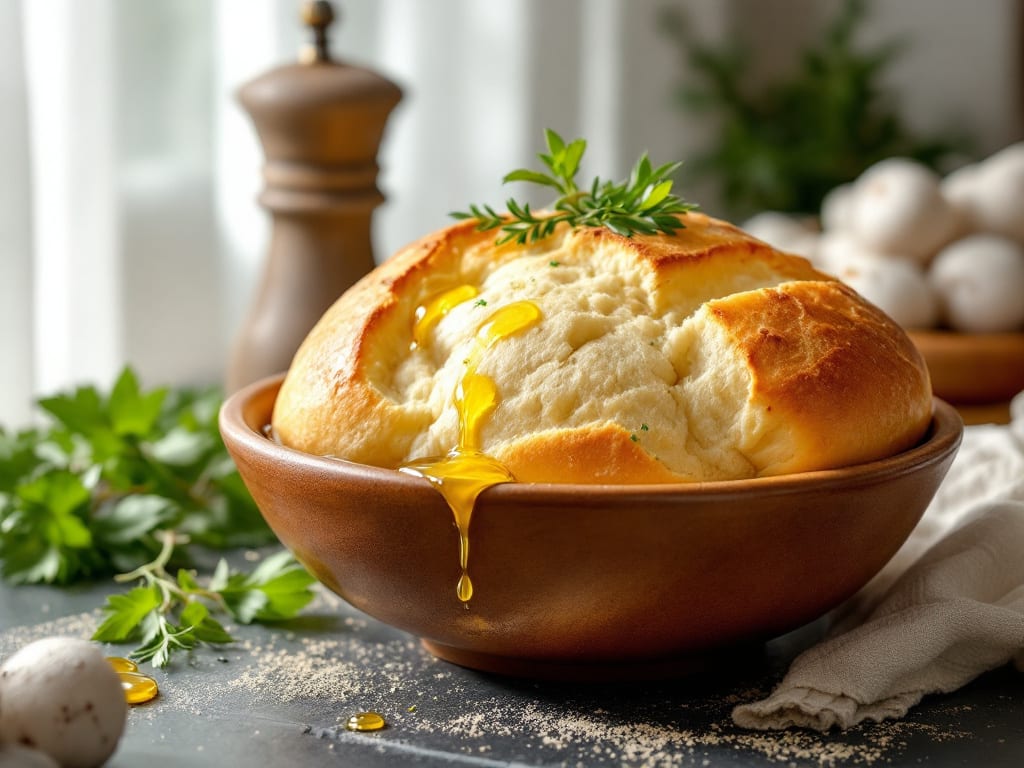
This soft white bread recipe delivers restaurant-quality loaves with a tender crumb and golden crust—all without the traditional kneading hassle. The secret lies in a precise blend of flour, yeast, and a touch of fat to create that signature pillowy texture.
I’ve refined this method over years of baking, and it consistently produces bread so light it practically melts in your mouth.
What makes this recipe truly remarkable is its no-knead approach, which saves time without sacrificing quality. The dough develops flavor during an extended rise, creating a rich, airy texture that’s impossible to achieve with quick methods.
With just 5 simple ingredients and 15 minutes of active prep, you’ll have bread that rivals artisanal bakery loaves.
The result is a loaf with a crispy yet tender crust and an open, even crumb that’s perfect for sandwiches or toast. The aroma alone will transform your kitchen into a warm, inviting space. This recipe builds confidence—even beginners achieve professional results every time.
For extra richness, try substituting some of the water for milk or adding a small amount of butter to the dough. Store wrapped at room temperature for 3 days or freeze for longer shelf life. Let’s bake this bread together!
Ingredients for soft white bread
Five essential ingredients transform into pillowy white bread with no kneading required.
| Ingredient | Amount | Notes |
|---|---|---|
| All-Purpose Flour 🌾 | 4 cups | Sifted for even texture |
| Instant Yeast 🍞 | 2 tsps | Active dry works too |
| Granulated White Sugar 🍚 | ¼ cup | Feeds yeast activation |
| Unsalted Butter 🧈 | ½ cup | Cold, cubed for richness |
| Large Eggs 🥚 | 1 whole | Room temperature preferred |
| Warm Water 💧 | 1 ¼ cups | 110°F for yeast activation |
| Diamond Crystal Kosher Salt 🧂 | 1 ½ tsps | Adjusts to taste |
| Nonstick Bread Flour 🌾 | 1 tbsp | Optional for crust |
| Cornmeal 🌽 | ¼ cup | For dusting loaf pan |
The all-purpose flour forms the foundation—opt for King Arthur or Bob’s Red Mill for consistent results. Instant yeast activates faster than active dry, but if you only have active dry, proof it in warm water for 5 minutes first. The unsalted butter is non-negotiable for that signature tenderness; Land O’Lakes or Plugrá brands work best when cold. For the water, use a thermometer to ensure it’s 110°F—too hot kills yeast, too cool slows activation. Diamond Crystal kosher salt dissolves completely, unlike table salt, which can leave gritty residue.
No instant yeast? Active dry yeast at 1 tsp works if proofed properly. Running short on butter? Olive oil at 0.25 cup maintains moisture but alters flavor slightly. For a richer loaf, substitute 1/4 cup of water for whole milk. The nonstick bread flour isn’t mandatory but creates a crispier crust—Annie’s or Bob’s Red Mill are reliable brands. If you’re using a loaf pan, cornmeal prevents sticking better than flour, though flour works in a pinch. For extra flavor, add 1 tsp of honey to the dough during mixing.
This dough requires 2 hours of proofing at room temperature or 1 hour in a 75°F oven with light on. Store baked loaves wrapped in a clean kitchen towel for 3 days at room temperature or freeze for up to 3 months. To reheat, wrap in foil and warm in a 350°F oven for 10 minutes. The crust stays fresh longer if you brush it with melted butter while still warm.
Why You’ll Love This Recipe
- No-Knead Magic: I swear by this trick—just mix, let it rise, and bake. The yeast does all the work while I sip coffee. Even my lazy Sundays get a fresh loaf.
- Buttery Cloud Crumb: That warm, pillowy bite? All thanks to the butter and eggs. It’s not just soft—it’s rich, like a hug in bread form. The sugar just makes it sing.
- Lunchbox Legend: Sliced thin, it’s the ultimate sandwich base. Or toast it for breakfast. My kids pack it for school, and honestly? So do I. Zero complaints, all wins.
- Budget Bakery Hack: A loaf costs pennies but feels like a bakery treat. Leftovers? They last days, freeze perfectly, and still taste fresh. My wallet and my taste buds thank me.
Step-by-step instructions for soft white bread
This no-knead method delivers restaurant-quality texture with minimal effort.
Activate the Yeast and Mix Wet Ingredients
In a large mixing bowl, combine the 1.25 cups warm water (tested at 110°F with a thermometer), 0.25 cup granulated white sugar, and 2 tsps instant yeast. Let this mixture sit for 5-10 minutes until it becomes frothy and bubbly—this confirms the yeast is active. If no bubbles form after 10 minutes, your yeast may be dead, and you’ll need to start over.
Once activated, whisk in the 1 whole large egg and 0.5 cup unsalted butter, cubed and softened but still cool. Mix until the butter melts completely and the wet ingredients form a smooth, slightly thickened liquid. This step ensures proper fat distribution for that signature tender crumb. The mixture should be homogeneous with no visible butter chunks remaining.
Combine Dry Ingredients and Form the Dough
In a separate bowl, sift together the 4 cups all-purpose flour and 1.5 tsps diamond crystal kosher salt. This sifting step prevents dense pockets in your finished bread. Gradually add the dry mixture to the wet ingredients while stirring with a wooden spoon or rubber spatula. You’ll notice the dough will initially be shaggy and sticky.
Once all the flour is incorporated, add the 1 tbsp nonstick bread flour (if using) and mix just until the dough comes together. Avoid overmixing—you’re aiming for a soft, slightly tacky dough that clings to your fingers. This gentle handling preserves gluten structure without developing toughness. The dough should be cohesive enough to form a loose ball when pressed together.
First Rise and Prepare for Baking
Lightly grease a large mixing bowl with butter or oil, then transfer the dough to the bowl. Cover with a clean kitchen towel or plastic wrap and allow it to rise in a warm place (75-80°F) for 1-2 hours, or until the dough has nearly doubled in size. You’ll see the dough puff up noticeably and develop small bubbles along the surface—this indicates proper fermentation.
While the dough rises, prepare your baking environment. Preheat your oven to 375°F and lightly grease a 9×5-inch loaf pan. Sprinkle the bottom with 0.25 cup cornmeal to prevent sticking. The cornmeal creates a barrier that makes removal effortless later. This preparation ensures your bread has a clean release without tearing the delicate crust.
Shape and Bake to Golden Perfection
Once the dough has risen, gently deflate it by pressing down with your fingers. Transfer it to the prepared loaf pan and shape it to fill the pan evenly, pressing down lightly to remove any air pockets. The dough should reach the top of the pan—this creates that classic tall, soft loaf shape. Cover again and let it rise for an additional 30-45 minutes until it’s just domed above the pan.
Bake uncovered for 30-35 minutes until the top is golden brown and sounds hollow when tapped on the bottom. The internal temperature should reach 190-200°F when measured with an instant-read thermometer. This baking time ensures a crisp crust while maintaining that pillowy interior. If the top browns too quickly, tent loosely with foil to prevent over-browning.
Cool and Serve for Maximum Softness
Remove the bread from the oven and let it cool in the pan for 10 minutes, then transfer to a wire rack to cool completely. This gradual cooling prevents steam buildup inside the bread, which can make it gummy. The bread will continue to set as it cools, developing that perfect crumb texture. Patience here ensures every slice maintains its softness for hours.
Slice when completely cool for clean cuts and maximum tenderness. Each slice should have an open, even crumb structure with no dense pockets. Store wrapped at room temperature for up to 3 days, or freeze for longer storage. The bread’s softness peaks within the first 24 hours—perfect for toast, sandwiches, or serving with butter.
Pro Tips For Making Soft White Bread
- MEASURE FLOUR BY WEIGHT: I learned this the hard way—when I scooped flour straight from the bag, my bread turned out dense and heavy. Use a kitchen scale for the all-purpose flour; 450 grams (about 4 cups loosely packed) gives you consistent, light results every time.
- SOFTEN BUTTER BEFORE MIXING: Cold butter creates pockets in the dough that won’t soften properly. Let the unsalted butter sit at room temperature for 30–45 minutes before creaming it with the sugar and eggs—this guarantees a tender crumb instead of a chewy one.
- DON’T OVERKNEAD THE DOUGH: After burning three batches of bread, I finally figured out: instant yeast is fast, but it’s also fragile. Mix just until the dough comes together (about 2–3 minutes by hand or 5–6 minutes in a mixer), then stop. Overworking it kills the gluten and makes the bread tough.
- USE A DAMP TOWEL FOR PROOFING: I was skeptical until I tried it—covering the shaped dough with a damp towel while proofing keeps the surface from drying out. This prevents cracks and gives you that perfect, pillowy rise without needing a fancy proofing box.
Wine and beer pairings for this soft white bread
Crisp White Wine
A Sauvignon Blanc from New Zealand or Loire Valley is my go-to pairing for this soft white bread. The bright acidity and citrus notes in wines like Cloudy Bay Sauvignon Blanc or Oyster Bay Sauvignon Blanc cut through the buttery richness of the bread while complementing its delicate sweetness.
Look for wines with green apple or grapefruit undertones—they mirror the bread’s subtle sugar content. Serve slightly chilled (45-50°F) to enhance the bread’s pillowy texture without overwhelming it. 🍷
Crisp Lager Beer
For beer lovers, a German Pilsner like Warsteiner or St. Pauli Girl provides a clean, refreshing contrast. The light body and subtle hop bitterness balance the bread’s richness without competing. Alternatively, try a Belgian Witbier such as Hoegaarden—its coriander and orange peel notes add an unexpected but delightful pairing.
Serve the beer at 40-45°F to maintain crispness and let the bread’s buttery aroma shine. 🍺
Sweet Sparkling Wine
If you prefer something bubbly, a Prosecco or Cava with a touch of sweetness works beautifully. The effervescence cleanses your palate between bites, while the slight sweetness enhances the bread’s natural sugar.
I recommend La Marca Prosecco or Freixenet Cordon Negro Cava—both have enough acidity to prevent the bread from tasting heavy. Serve at 40-45°F to preserve the bubbles and crispness. ✨
Aged Rum Cocktail
For a more indulgent pairing, try a dark rum cocktail like a Rum Old Fashioned with a twist. Mix 2 oz aged rum (like Appleton Estate or Diplomático) with 1 tsp honey and a dash of bitters, then serve over ice.
The caramel notes in the rum complement the bread’s buttery richness, while the honey adds a subtle sweetness that mirrors the bread’s texture. This pairing feels luxurious and unexpected. 🍹
Herbal Tea Pairing
If you prefer non-alcoholic options, a chamomile or mint tea enhances the bread’s softness. The herbal notes complement the bread’s subtle sweetness without overpowering it. Brew a strong cup of Yogi Tea Chamomile or Harney & Sons Peppermint Tea** and serve warm.
The warmth of the tea contrasts beautifully with the bread’s cool, buttery interior. 🍃
Nutrition facts
Frequently asked questions
Why does this recipe use instant yeast instead of active dry?
Instant yeast activates immediately when mixed with liquid, saving 5-10 minutes of proofing time. It dissolves completely in the dough, creating a more even rise. For a direct swap, use 1 tsp active dry yeast proofed in warm water for 5 minutes first. The texture remains identical, but the process takes slightly longer.
Can I make this bread without a loaf pan?
Shape the dough into a free-form boule or batard. Place it on a parchment-lined baking sheet and bake at 375°F for 25-30 minutes, rotating halfway. Brush with melted butter after baking for extra tenderness. The crust will be slightly different but still delicious.
What makes this bread so soft compared to other recipes?
The combination of cold butter and extended proofing time creates that signature tenderness. The butter coats flour proteins, preventing gluten overdevelopment, while the slow rise allows gases to expand evenly. Skipping the butter or rushing the proofing will result in a denser loaf.
How do I know when the dough is properly risen?
Look for a 50-100% increase in volume with small bubbles forming across the surface. Gently press your finger into the dough—if it springs back slowly (not immediately), it’s ready. For visual confirmation, use a toothpick: if it leaves a slight indentation that doesn’t snap back, the dough has reached peak rise.
Can I add seeds or nuts to this recipe?
Yes, but reduce flour by 1-2 tablespoons to maintain dough consistency. Toast sesame seeds, sunflower seeds, or chopped walnuts at 350°F for 5 minutes first to enhance flavor. Fold them into the dough during the final mixing stage, but don’t overmix—this preserves the soft texture.

- White Peppered Gravy Recipe: Silky-Smooth Sauce for Roasted Meats - November 29, 2026
- James Martin’s Cottage Pie Recipe: Flaky Pastry Over Hearty Beef Filling - November 29, 2026
- Sweet Grissini Recipe: Crispy Twists With Honey-Glazed Bite-Sized Magic - November 29, 2026