
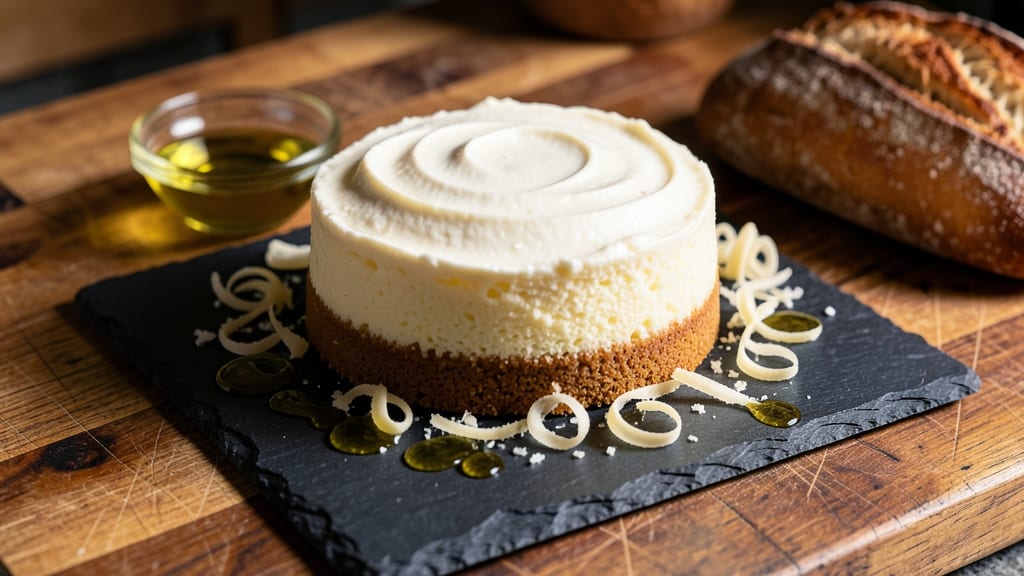
This sour cream vanilla cake recipe delivers layers so tender they practically melt in your mouth, all thanks to the magic of sour cream and real vanilla. The secret lies in how the sour cream keeps the crumb moist while the vanilla infuses every bite with aromatic warmth.
I developed this recipe after years of baking failures—until I finally cracked the code for that perfect balance of fluffiness and structure.
The beauty of this cake is its simplicity: just a few ingredients, minimal mixing, and a foolproof method that yields light-as-air layers with a delicate crumb. The sour cream adds richness without heaviness, while the vanilla extract elevates the flavor from good to unforgettable.
Even beginners can achieve professional results with these precise steps and a little patience.
By the time you pull this cake from the oven, you’ll have golden layers that slice effortlessly and taste even better the next day. The vanilla flavor is subtle yet pronounced, with just the right sweetness that doesn’t overpower.
Perfect for birthdays, celebrations, or when you simply crave a slice of pure comfort.
This recipe scales beautifully for gatherings, and the method ensures consistent results every time. Let’s get baking—your taste buds will thank you.
Ingredients for sour cream vanilla cake
Just twelve ingredients transform into melt-in-your-mouth layers—vanilla so rich you’ll want to savor every bite.
| Ingredient | Amount | Notes |
|---|---|---|
| All-Purpose Flour 🌾 | 2 ½ cups | Sifted for lightness |
| Granulated Sugar 🍬 | 2 cups | White or light brown |
| Sour Cream 🥛 | 1 cup | Full-fat for moisture |
| Unsalted Butter 🧈 | 1 cup | Room temperature, cubed |
| Pure Vanilla Extract 🍃 | 2 tbsp | Bourbon or Madagascar preferred |
| Large Eggs 🥚 | 3 whole | Room temperature |
| Baking Powder 🍞 | 2 tsp | Double-acting preferred |
| Salt 🧂 | ½ tsp | Fine sea salt |
| Milk 🥛 | ½ cup | Whole milk preferred |
| Vegetable Oil 🫒 | ¼ cup | Light or neutral oil |
| Powdered Sugar 🍬 | 1 cup | For dusting layers |
| Vanilla Bean Paste 🍃 | 1 tbsp | Optional for extra flavor |
The sour cream is non-negotiable here—it’s what makes this cake so tender. Full-fat is key for that perfect moisture, and I always grab the La Choy brand from the store’s dairy section (it’s reliable). If you’re feeling fancy, organic sour cream from the natural foods aisle adds even more depth. The butter? Plugrá or Land O’Lakes work perfectly, but leave it at room temperature—cold cubes won’t mix smoothly. For the vanilla, McCormick Pure Vanilla Extract is my go-to, but if you’ve got a vanilla bean, scrape the seeds into the batter for that extra luxury touch (trust me, it’s worth it).
No sour cream? Plain Greek yogurt works in a pinch—just reduce the milk slightly to balance the liquid. Short on vanilla extract? Vanilla sugar or even vanilla bean paste can boost flavor, but don’t overdo it. The baking powder is crucial—Aluminum-free is best for a light rise. If you’re using a boxed mix, skip the powdered sugar in the batter (we’re adding our own later). For the oil, vegetable or canola keeps things neutral—no coconut oil here. And if you’re scaling this up for a crowd, double the batter but bake in two pans to avoid overcrowding the oven.
This cake tastes even better the next day—cover tightly with plastic wrap and store at room temperature. For longer storage, wrap each layer in plastic and refrigerate for up to 5 days. Freeze unassembled layers for 3 months by wrapping them individually in plastic and aluminum foil. To assemble, layer with powdered sugar-dusted buttercream (equal parts powdered sugar and softened butter, flavored with vanilla). Slice with a warm knife for clean cuts—dip it in hot water first for that restaurant-quality finish.
Why You’ll Love This Recipe
- No Mixer Needed: I swear by this recipe on lazy Sundays—just creaming butter and sugar by hand, then folding in that tangy sour cream. The batter’s thick enough to handle like a dream, no overmixing, no lumps. Honestly, my stand mixer stays parked for this one.
- Vanilla Buttercream Magic: That sour cream keeps the crumb moist while the butter and sugar create a buttery richness you’d pay extra for at a bakery. Top it with a simple vanilla glaze? Instant crowd-pleaser. My nephew calls it “the cake that makes grown-ups happy.”
- Weeknight Meal Prep: Slice it up, wrap in foil, and toss it in the fridge for breakfast or dessert all week. The texture stays perfect—no dry crumbs, no sad edges. I make two batches: one for the family, one to stash when I’m too tired to bake.
- Budget-Friendly Luxury: Uses pantry staples and stretches further than boxed mixes. The sour cream adds depth without costing a fortune, and the vanilla extract makes it taste like you splurged. Between us, this is my go-to for potlucks where I don’t want to bring a store-bought disaster.
Step-by-step instructions for sour cream vanilla cake
Here’s how to bake a tender, moist cake with perfect layers and deep vanilla flavor.
Prepare the Cake Batter
Preheat your oven to 350°F and grease two 9-inch round cake pans, then line the bottoms with parchment paper. In a medium bowl, whisk together the 2.5 cups all-purpose flour, 2 tsp baking powder, and 0.5 tsp salt. Set aside—this is your dry mix.
In a large bowl, beat the 1 cup unsalted butter and 2 cups granulated sugar together on medium speed until light and fluffy, about 3-4 minutes. This step is crucial—it incorporates air for that signature light texture. Add the 3 whole large eggs one at a time, mixing well after each addition. Scrape down the sides of the bowl as needed to ensure even blending.
In a separate bowl, combine the 1 cup sour cream, 0.5 cup milk, 0.25 cup vegetable oil, 2 tbsp pure vanilla extract, and 1 tbsp vanilla bean paste. Whisk until smooth, then gradually add this mixture to the butter-sugar-egg mixture, alternating with the dry ingredients. Start and end with the dry mix, mixing just until combined—overmixing develops gluten and makes the cake dense. The batter should be smooth and slightly thick, with no visible flour streaks.
Bake the Layers
Divide the batter evenly between the two prepared cake pans. Tap each pan gently on the counter to remove any air bubbles, then smooth the tops with a spatula. Bake for 25-30 minutes, or until a toothpick inserted into the center comes out clean. The cakes should spring back slightly when pressed in the middle.
I always check for doneness at the 25-minute mark—your oven might run hot, so start testing early. If the tops brown too quickly, loosely tent the pans with aluminum foil after the first 15 minutes to prevent over-browning. Let the cakes cool in the pans for 10 minutes, then transfer them to a wire rack to cool completely before frosting. This cooling step is essential to prevent the frosting from melting.
Frost the Cake Layers
Once the cakes are completely cool, place one layer on a cake stand or plate. In a medium bowl, beat the 1 cup powdered sugar with the 1 cup sour cream until smooth and creamy. This will be your light, airy frosting. Spread a thin layer of this mixture over the first cake layer to help the frosting adhere better.
Place the second layer on top and gently press down to create an even surface. Spread the remaining frosting evenly over the top and sides of the cake, using a spatula or offset spatula for smooth, professional-looking results. For extra vanilla flavor, you can add a thin layer of vanilla bean paste mixed into a small amount of sour cream and spread between the layers. Chill the cake in the refrigerator for at least 1 hour before serving to let the frosting set.
Pro Tips For Making Sour Cream Vanilla Cake
- Whisk Butter First: Melt the unsalted butter and let it cool to room temperature—not warm—before mixing it into the sugar. I used to skip this, and the cake turned out dense. Cold butter creates pockets of air that lighten the crumb, while warm butter just melts into a sad, heavy mess.
- Measure Sour Cream Precisely: Use a scale or a proper measuring cup for the sour cream—it’s thicker than milk and varies wildly between brands. Too little, and your cake will be dry; too much, and it’ll sink like a brick. Stick to the recipe’s weight or volume, no guesswork.
- Don’t Overmix the Batter: Stop folding in the flour the second it’s just incorporated—no streaks, no lumps, but no extra stirring either. I learned this after a cake turned out tough as a boot. Overmixing develops gluten, and this cake needs a tender crumb, not a bread-like texture.
- Test for Doneness Early: Check the cake at 45 minutes, even if the recipe says 50. Ovens run hot, and sour cream cakes dry out fast if left in too long. Insert a toothpick—if it comes out clean, it’s done. If not, cover with foil and bake another 5-10 minutes.
Regional styles of these flavors
Southern Comfort Style
In the South, this cake often gets a buttermilk twist—replace half the milk with buttermilk for a tangier crumb. I like adding 1 tsp lemon zest to the batter for brightness, and a sprinkle of crushed pecans on top before baking for that classic Southern touch.
Serve with a bourbon-infused vanilla glaze (mix ½ cup powdered sugar with 1 tbsp bourbon and 1 tsp vanilla extract) for an extra layer of depth. This version feels like a hug in cake form. 🌟
Midwest Homestyle Twist
The Midwest loves a cardamom kick—add ½ tsp ground cardamom to the dry ingredients for a warm, spiced vanilla flavor.
Pair it with a cream cheese frosting (mix 8 oz cream cheese, ½ cup butter, 3 cups powdered sugar, and 1 tsp vanilla) for a tangy-sweet contrast. This variation is perfect for potlucks or family gatherings, where hearty flavors are always welcome. 🥛
New England Vanilla Bean Luxe
Up north, they take vanilla seriously—swap the extract for 1 vanilla bean, split and scraped, plus 1 tbsp vanilla bean paste in the batter.
Use brown sugar instead of white for a deeper caramel note, and finish with a maple-glazed top (mix ¼ cup maple syrup with 1 tbsp butter). This version is rich, aromatic, and feels like a bakery showstopper. 🍁
Pacific Northwest Berry Fusion
For a fruity twist, fold in ½ cup mashed raspberries or blueberries into the batter before baking. Top with a lemon curd drizzle (mix ½ cup lemon curd with 1 tbsp heavy cream) and fresh berries.
This lighter, fruit-infused version is perfect for summer celebrations and pairs beautifully with a sparkling peach iced tea. 🍓
Texas-Style Spiced Vanilla
Down in Texas, they love cinnamon and nutmeg—add 1 tsp cinnamon and ¼ tsp nutmeg to the dry mix.
A pecan praline topping (mix ½ cup chopped pecans, ¼ cup brown sugar, and 1 tbsp butter, then bake until caramelized) takes this cake to the next level. The warmth of the spices and the crunch of the praline make this a crowd-pleaser. 🌶️
Modern Minimalist Version
For a sleek, contemporary take, reduce the sugar to 1.5 cups and add 1 tsp espresso powder to the dry ingredients for a subtle coffee note.
Use a whipped mascarpone frosting (mix 1 cup mascarpone, ½ cup heavy cream, and 2 tbsp powdered sugar) for a lighter texture. This version is elegant, less sweet, and perfect for those who prefer a more refined dessert. ✨
Nutrition facts
Frequently asked questions
Why does sour cream make this cake so moist?
The sour cream replaces some of the liquid while adding fat and acidity, which tenderizes the gluten in the flour. This creates a finer crumb and prevents dryness—unlike milk, which can make cakes dense. The acidity also helps activate the baking powder for a lighter rise.
Can I substitute Greek yogurt for sour cream?
Yes, but reduce the milk by 2 tablespoons to balance the liquid. Greek yogurt has a thicker texture, so whisk it until completely smooth before mixing. The tangy flavor will be slightly more pronounced, but it works well in a pinch. For best results, use full-fat yogurt to maintain moisture.
How do I prevent the cake from cracking?
Cracking usually happens from overmixing or sudden temperature changes. Mix just until combined (no visible flour streaks), and avoid opening the oven door during baking. Let the cake cool in the pan for 10 minutes before transferring to a rack. If cracks appear, they’re purely cosmetic—just frost generously!
What’s the best way to store leftover cake?
Wrap each layer tightly in plastic wrap and store at room temperature for up to 3 days. For longer storage, refrigerate for 5 days or freeze unassembled layers for 3 months. Thaw overnight in the fridge before frosting. The flavor actually improves after 24 hours!
Can I make this cake in a bundt pan?
Reduce the batter by 1 cup and bake at 350°F for 45-55 minutes in a greased bundt pan. The sour cream keeps it moist, but check for doneness with a toothpick. For extra drama, add 1 tbsp vanilla bean paste to the batter.

- Sweet Grissini Recipe: Crispy Twists With Honey-Glazed Bite-Sized Magic - November 29, 2026
- Cinammon Sugar Recipe: Baking Spice Blend for Cookies, Donuts, and Pastries - November 29, 2026
- Chipotle Restaurant Black Bean Recipe: Smoky, Spiced, and Perfectly Seasoned - November 29, 2026