
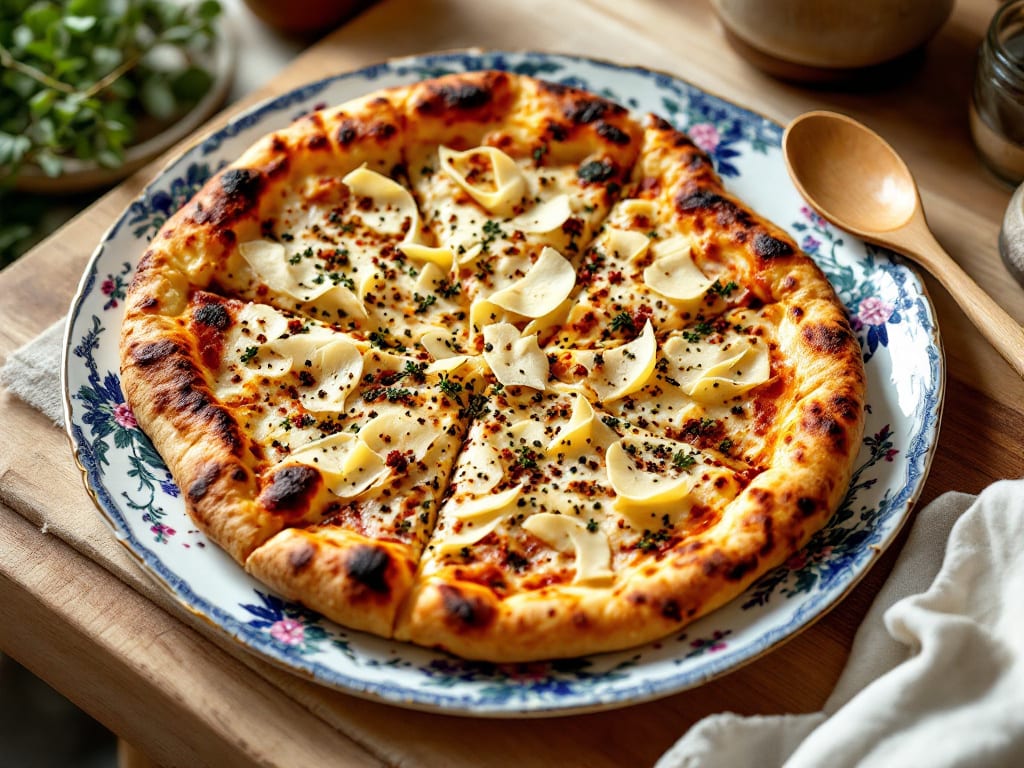
This spelt pizza crust recipe transforms your homemade pizza night with a nutty, hearty flavor that traditional wheat crusts simply can’t match.
Spelt flour—an ancient grain with a naturally sweet, slightly earthy taste—creates a crust that’s both digestible and deeply flavorful, without the gluten-heavy texture that can be tough to handle.
After years of experimenting with alternative flours, I’ve perfected a method that delivers a crispy yet chewy crust perfect for Neapolitan-style pizzas or thick New York slices.
The beauty of spelt lies in its higher protein content compared to modern wheat, which means your dough will hold its shape better during baking while still yielding that satisfying bite.
Unlike gluten-free crusts that often turn gummy, this recipe strikes the perfect balance—crisp at the edges, tender in the middle, with a subtle nutty depth that pairs beautifully with classic tomato sauce or bold toppings like caramelized onions or roasted vegetables.
What sets this apart is the foolproof technique for hydration and resting time, ensuring your crust rises properly without overproofing.
Whether you’re making a quick weeknight dinner or prepping for a weekend feast, this crust bakes in just 12-15 minutes at high heat, giving you that wood-fired texture right in your home oven. The best part?
It’s versatile enough for any pizza style—thin, thick, or even as a base for flatbreads.
Once you try spelt, you’ll never go back to standard flour. The nutty complexity elevates every bite, making even simple toppings taste gourmet. Ready to upgrade your pizza game? Here’s how to make it—step by step—for a crust that’s as impressive as it is delicious.
Ingredients for spelt pizza crust
These twelve ingredients unlock spelt’s nutty magic for pizza crusts that rival artisanal bakeries.
| Ingredient | Amount | Notes |
|---|---|---|
| Spelt Flour 🌾 | 3 cups | High-protein, stone-ground preferred |
| Extra-Virgin Olive Oil 🫒 | ½ cup | High-quality, fruity variety |
| Warm Water 💧 | 1 ¼ cups | 105°F for ideal hydration |
| Instant Yeast 🍞 | 1 tsp | Active dry works too |
| Diamond Crystal Kosher Salt 🧂 | 1 ½ tsp | Adjust to taste |
| Granulated Sugar 🍚 | 1 tsp | Feeds yeast activation |
| Semolina Flour 🌾 | ¼ cup | For crispy crust texture |
| Freshly Ground Black Pepper 🌶️ | ½ tsp | Enhances nutty flavor |
| Garlic Powder 🧄 | 1 tsp | For aromatic depth |
| Dried Italian Seasoning 🍃 | 1 tsp | Balances spelt's earthiness |
| Cornmeal 🌽 | ¼ cup | Prevents sticking on peel |
| Baking Sheet 🍳 | 1 whole | For pre-baking crust |
| Pizza Peel 🍕 | 1 whole | Or parchment paper |
Spelt flour is the star here—Bob’s Red Mill or King Arthur’s high-protein blend are my go-tos, but any stone-ground spelt works. The semolina and cornmeal create that signature crispy texture you crave, so don’t skip them. For the olive oil, California Avocado Ranch or Corto brands add fruity depth that regular supermarket oil can’t match. Pro tip: Use a kitchen scale for the flour—340 grams gives you perfect consistency every time. The yeast needs to be fresh, so check the date on that packet—expired yeast means no rise, no matter how long you wait.
No semolina? Fine breadcrumbs or extra spelt flour work in a pinch for texture, though you’ll lose that perfect crunch. Short on cornmeal? Rice flour or oat flour are decent stand-ins, but they won’t toast as beautifully. The Italian seasoning can be swapped for dried oregano plus basil, but you’ll lose that perfect blend of thyme and rosemary. For the olive oil, avocado oil, but it lacks the fruity notes that make spelt shine. The garlic powder and black pepper are non-negotiable—they’re what bring out the spelt’s natural nuttiness. And if you’re feeling fancy, add a pinch of smoked paprika for depth.
This dough keeps beautifully—wrapped in plastic in the fridge for up to 48 hours or frozen for 3 months in portions. For best results, let it come to room temp before shaping. The pre-baked crust stays fresh 2 days on the counter if you cover it tightly. I always make two crusts and freeze one—I’m always craving pizza but never have time to make it from scratch. The key to reheating? 5 minutes at 375°F until crispy again. Trust me, it’s worth the prep.
Why You’ll Love This Recipe
- Five-Ingredient Magic: I swear, this crust comes together with fewer ingredients than my grocery list for a single banana. Spelt flour handles the work—no kneading, no fuss—just mix, rest, and roll. The yeast does its thing while I’m making sauce or chopping veggies, so it’s truly hands-off.
- Nutty, Crispy Edge: That spelt flour isn’t just a flour substitute—it adds a subtle earthy depth that regular crust can’t touch. The olive oil keeps it tender inside while the salt and yeast team up for a golden, crackly edge that’s dangerously hard to stop at one slice.
- Weeknight Superhero: Between us, this is my go-to for date nights, lazy Sundays, or when the kids demand pizza but I’ve got 20 minutes. It’s the kind of crust that doesn’t judge if you skip the fancy toppings—just tomato sauce, cheese, and a sprinkle of herbs still tastes like a victory.
- Leftovers That Last: I’ve reheated slices from this crust three days later, and they’re still crispy enough to hold a fork. Honestly, it’s my secret weapon for meal prep—make two, freeze one, and you’ve got a backup for when takeout feels like too much effort. Plus, spelt’s natural fiber means you’re eating better without even trying.
Step-by-step instructions for crafting a nutty spelt pizza crust
This dough delivers restaurant-quality texture with minimal effort—just follow these precise steps.
Activate the Yeast and Mix the Dough
In a large mixing bowl, combine the 1.25 cups warm water, 1 tsp granulated sugar, and 1 tsp instant yeast. Let this sit for 5 minutes until you see vigorous bubbling—this confirms your yeast is alive and ready to work. If nothing happens after 10 minutes, your yeast is likely inactive, and you’ll need to start fresh.
To the yeast mixture, add the 3 cups spelt flour, 1.5 tsp diamond crystal kosher salt, 0.5 tsp freshly ground black pepper, 1 tsp garlic powder, and 1 tsp dried Italian seasoning. Using a wooden spoon or dough whisk, mix until a shaggy mass forms. Then, drizzle in the 0.5 cup extra-virgin olive oil while stirring continuously. The dough will begin to come together as the oil incorporates.
Knead and Rest for Optimal Texture
Transfer the dough to a lightly floured surface and knead for 8-10 minutes by hand, or use a stand mixer with a dough hook attachment on medium speed for 5-6 minutes. You’re looking for a smooth, elastic dough that springs back slightly when pressed. Spelt flour has a lower gluten content than wheat, so don’t over-knead—this can make the crust dense.
Once kneaded, shape the dough into a ball and place it back in the mixing bowl. Lightly coat the surface with the 0.5 cup extra-virgin olive oil (reserving about 1 tablespoon for later), then cover with a damp kitchen towel. Let the dough rise at room temperature for 1-2 hours, or until it has nearly doubled in size. The dough should feel light and airy when pressed gently—this indicates proper fermentation.
Pre-Bake the Crust for Structure
Preheat your oven to 425°F and position a rack in the middle position. Sprinkle the 0.25 cup cornmeal evenly over the whole baking sheet—this prevents sticking and adds a subtle crunch. Divide the risen dough into 4 equal portions (about 1 cup each) and shape each into a smooth ball. Roll one ball out on a floured surface to about 12 inches in diameter, keeping the edges slightly thicker than the center.
Transfer the rolled crust to the prepared baking sheet and slide it into the oven. Bake for 8-10 minutes until the edges begin to firm up and turn a pale golden color. This pre-baking step, called pre-cottura, ensures your crust holds its shape under heavy toppings. Remove the crust and immediately brush the surface with the reserved 1 tablespoon extra-virgin olive oil. Sprinkle evenly with the 0.25 cup semolina flour—this creates that signature crispy, golden crust you crave.
Assemble and Bake to Perfection
Working quickly, add your favorite toppings to the pre-baked crust—keep it balanced to avoid a soggy bottom. For a classic example, spread 1 cup tomato sauce, sprinkle 1 cup shredded mozzarella, and add your choice of vegetables or proteins. Slide the assembled pizza back into the oven and bake for 12-15 minutes until the cheese is bubbly and the crust edges are deep golden brown.
The spelt crust will have a nutty depth and a chewy yet crisp texture that holds up beautifully to any topping combination. Let the pizza rest for 2-3 minutes after baking—this allows the cheese to set slightly before slicing. Serve immediately with a sprinkle of fresh basil or a drizzle of balsamic glaze for that final touch of restaurant-quality flair.
Pro Tips For Making Spelt Pizza Crust
- Weigh Your Flour: Spelt flour is lighter than white flour—don’t eyeball it. Use a kitchen scale for 300g (or ~2 ½ cups loosely packed). Packing it too tight adds moisture and makes the dough gummy; leave it fluffy like a pillow.
- Oil the Bowl First: Toss the mixed dough in a lightly oiled bowl before shaping—it prevents sticking and saves you from scrubbing a pan later. Use about 1 teaspoon of olive oil, just enough to coat the sides.
- Skip the Over-Kneading: Spelt dough is delicate—mix just until the flour is hydrated (about 2 minutes by hand). Overworking it turns the crust dense and tough. Let the yeast do the rest during the rise.
- Proof at Room Temp: Warm water activates yeast, but the dough needs consistent warmth to rise. Place the bowl in a slightly warm spot (like a turned-off oven with a light on) for 1–1.5 hours. Cold slows it down; too hot kills the yeast.
Serving suggestions for this dish
Garnish Like a Pro
Finish your spelt pizza with fresh basil leaves torn by hand—this adds vibrant color and a bright, herbal contrast to the nutty crust. I like to sprinkle flaky sea salt (like Maldon) right after baking while the cheese is still warm for that salty crunch.
For a smoky touch, add crumbled feta or aged pecorino before serving—both pair beautifully with spelt’s earthy notes. 🌿
Sauce Pairing Secrets
This crust shines with tomato-based sauces—try a San Marzano tomato sauce blended with garlic and basil for classic flavor. For a twist, use a white garlic sauce (olive oil, garlic, and a splash of pasta water) to let the spelt’s nuttiness take center stage.
Avoid heavy Alfredo or cream sauces—they can overwhelm the crust’s delicate texture. 🍅
Topping Balance Tips
Spelt crust holds up well to moist toppings like roasted peppers or caramelized onions, but avoid overloading—too many veggies can make it soggy. I balance moisture with crispy elements like prosciutto or fried eggplant slices.
For a lighter option, use whipped ricotta instead of heavy cheese. The key is even distribution—spread toppings thinly to let the crust’s flavor shine. 🍅
Serving Style Ideas
Slice with a pizza wheel and serve on a wooden board for a rustic touch. For a casual vibe, tear into handheld pieces and arrange on a platter with olive oil drizzle and red pepper flakes.
If making ahead, store baked pizzas in airtight containers with parchment paper between slices to keep them crispy. 🍽️
Dessert Twist
Swap savory toppings for Nutella and banana slices, then sprinkle with crushed hazelnuts for a sweet spelt crust variation. The nuttiness of the flour complements the chocolate perfectly. Bake at 375°F for 10-12 minutes until golden—this dessert pizza is a crowd-pleaser! 🍫
Nutrition facts
Frequently asked questions
Why does spelt flour make the crust taste different than regular wheat flour?
Spelt has a naturally nutty, slightly sweet flavor that adds depth to your pizza crust—think of it as a cross between wheat and whole grain. The higher protein content (about 15-18%) also creates a chewier texture without needing extra gluten. This makes it perfect for pizza lovers who want flavor without the heaviness of traditional dough.
Can I make this crust without a stand mixer?
Spelt dough is forgiving—just knead it by hand for 8-10 minutes on a lightly floured surface until smooth. The key is to avoid overworking it, since spelt has less gluten. A wooden spoon or dough whisk works great for mixing before kneading.
How do I fix dough that didn’t rise properly?
If your dough didn’t double, check these first: yeast freshness (test in warm water first), water temperature (105°F is ideal), or room temperature (too cold slows fermentation). For a quick fix, let it rise in a warm oven (70°F) with the light on for 30-60 minutes). If all else fails, bake it anyway—just expect a denser texture.
Is this crust gluten-free?
No, spelt contains gluten (it’s an ancient wheat relative), but it’s easier to digest for many people. For a gluten-free version, substitute with a 1:1 gluten-free flour blend (like Bob’s Red Mill’s) and add 1 tsp xanthan gum to mimic the structure. The flavor will differ slightly, but the technique remains the same.
Can I use this dough for other baked goods?
Yes! This spelt dough works beautifully for calzones, focaccia, or flatbreads. For focaccia, shape into a rectangle, dimple with your fingers, and bake with olive oil and herbs. For calzones, fold the dough over fillings and bake until golden. The nutty flavor adds a gourmet touch to any baked creation.

- Broccili Salad Recipe: Crunchy, Creamy, and Crowd-Pleasing - November 29, 2026
- Rum Simple Syrup Recipe: Balanced Sweetness for Cocktails and Desserts - November 29, 2026
- Avocado Cloud Bread Recipe: Light, Fluffy, and Egg-Free Magic - November 29, 2026