
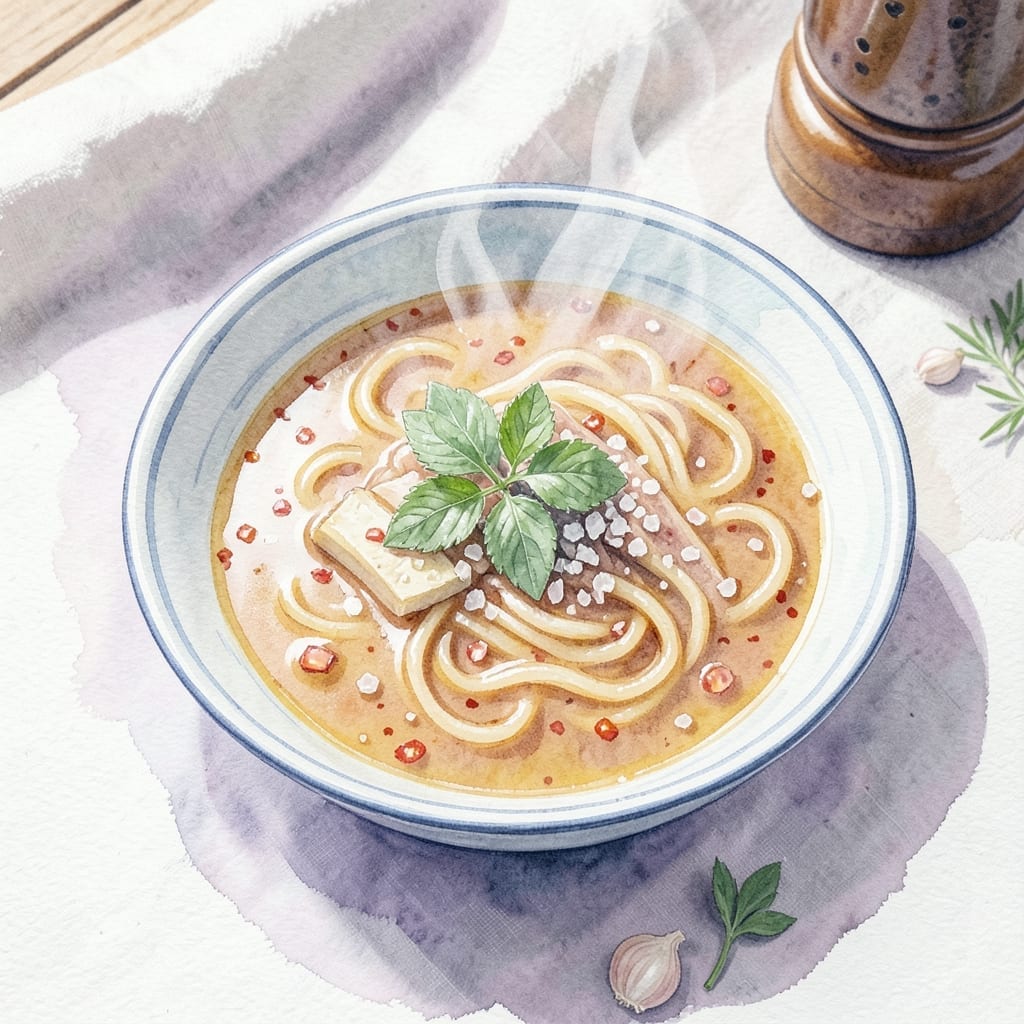
I developed this spicy ramen broth after years of takeout disappointment, perfecting a method that delivers restaurant-quality depth in under 30 minutes. The base combines rich chicken stock with aromatic garlic, ginger, and chili for layers of complexity.
The secret lies in blooming spices in hot oil before adding liquids, which unlocks their full flavor potential. A touch of miso paste and soy sauce builds the umami-rich foundation that makes this broth irresistibly savory.
You’ll end up with a deeply flavored broth that’s simultaneously spicy, savory, and slightly sweet. The aroma alone will have everyone gathering around the kitchen.
Customize with your favorite noodles, proteins, and toppings for a bowl that rivals any ramen shop. Here’s how to make it.
Ingredients for Spicy Ramen Broth Recipe Easy
Rich, aromatic, and packed with umami—these ingredients build depth fast.
| Ingredient | Amount | Notes |
|---|---|---|
| Chicken Stock 🍲 | 8 cups | Low-sodium preferred for control |
| Garlic Cloves 🧄 | 6 cloves | Minced for maximum flavor |
| Fresh Ginger 🌿 | 2 tbsp | Finely grated, peeled first |
| Red Chili Flakes 🌶️ | 1 tbsp | Adjust for heat preference |
| Miso Paste 🍜 | 2 tbsp | White or red variety works |
| Soy Sauce 🫒 | ¼ cup | Low-sodium or regular both fine |
| Sesame Oil 🫒 | 1 tbsp | Toasted for deeper aroma |
| Rice Vinegar 🍶 | 1 tbsp | Balances richness and heat |
| Brown Sugar 🍚 | 1 tbsp | Adds subtle sweetness |
| Green Onions 🧅 | 4 whole | Thinly sliced for garnish |
| Ramen Noodles 🍜 | 12 oz | Discard seasoning packets |
| Soft-Boiled Eggs 🥚 | 4 whole | Optional protein addition |
| Shiitake Mushrooms 🍄 | 1 cup | Sliced, fresh or rehydrated |
| Neutral Oil 🛢️ | 1 tbsp | For blooming spices |
| Salt 🧂 | 1 tsp | Adjust to taste at end |
The chicken stock is your foundation here. Homemade is ideal, but Better Than Bouillon or Swanson’s low-sodium are solid store-bought options. Look for one without added MSG if you’re sensitive. The miso paste is non-negotiable—find it in the refrigerated section at Whole Foods or Kroger. White miso is milder, red has more funk (I prefer red for this).
No miso? Gochujang at half the amount adds similar depth with extra heat. Swap soy sauce for tamari if gluten-free is needed. Fresh ginger is better than powder, but ground ginger at one-third the amount works in a pinch. The chili flakes can be any heat level—just taste as you go. For extra umami, add a Parmesan rind while simmering (remove before serving).
Broth keeps 4-5 days in the fridge, freezes beautifully for 3 months. The flavor deepens overnight, so make it ahead if possible. Store noodles and toppings separately to prevent sogginess (nobody wants mushy ramen).
Why You’ll Love This Recipe
- One Pot Wonder: I just dump everything in and let the chicken stock, garlic, and ginger do their magic together.
- Umami Bomb: The miso paste and chili flakes create this deep, spicy-savory punch that hits all the right spots.
- Meal Prep Hero: I make a big batch on Sunday and it’s ready for quick ramen bowls all week. Honestly, my lunches have never been this good.
- Budget Friendly: A few pantry staples and chicken stock stretch into multiple meals without breaking the bank.
Step-by-Step Instructions for Spicy Ramen Broth
Here’s the method. Straightforward, tested, works every time.
Step 1: Bloom the Aromatics and Spices
Heat the 1 tablespoon Neutral Oil in a large pot over medium heat. Add the 6 cloves Garlic Cloves and 2 tablespoons Fresh Ginger, stirring constantly for 1-2 minutes until fragrant. Be careful not to let the garlic burn—it should turn just golden at the edges.
Immediately add the 1 tablespoon Red Chili Flakes and stir for 30 seconds to toast the spices. This step deepens their flavors and infuses the oil with heat. The chili flakes should sizzle lightly but not smoke. If they start to darken too quickly, reduce the heat slightly.
Step 2: Build the Umami Base
Pour in the 8 cups Chicken Stock and bring to a gentle boil. Stir in the 2 tablespoons Miso Paste until fully dissolved—this adds a rich, fermented depth to the broth. Miso can clump, so whisk vigorously or use the back of a spoon to break up any lumps.
Add the 0.25 cup Soy Sauce, 1 tablespoon Brown Sugar, and 1 tablespoon Rice Vinegar. The soy sauce contributes saltiness and umami, while the brown sugar balances the heat with subtle sweetness. Simmer the broth for 10-12 minutes to let the flavors meld.
Step 3: Add Mushrooms and Finish the Broth
Stir in the 1 cup Shiitake Mushrooms and simmer for an additional 5-7 minutes until the mushrooms are tender. Shiitakes soak up the broth like little flavor sponges, enhancing their natural earthiness.
Remove the pot from heat and stir in the 1 tablespoon Sesame Oil. This adds a nutty aroma that rounds out the spicy and umami notes. Taste and adjust seasoning with the 1 teaspoon Salt if needed—remember, the miso and soy sauce are already salty, so go easy.
Step 4: Prepare the Noodles and Garnishes
While the broth simmers, cook the 12 oz Ramen Noodles according to package instructions, discarding the seasoning packets. Drain and rinse briefly under cold water to stop the cooking process and remove excess starch.
Thinly slice the 4 whole Green Onions and, if using, peel the 4 whole Soft-Boiled Eggs. These garnishes add freshness and protein to your bowl. The eggs should be cooked to your preferred doneness—runny yolks are traditional for ramen.
Divide the noodles among four bowls, ladle the hot broth and mushrooms over the top, and garnish with green onions and halved soft-boiled eggs. Serve immediately while piping hot.
Pro Tips For Making Spicy Ramen Broth Recipe Easy
- Bloom the Aromatics: Cook the garlic and ginger in a little oil for 2-3 minutes before adding liquid—this pulls out way more flavor than just tossing them in raw.
- Toast the Chili Flakes: Add the red chili flakes to the pot with the aromatics and let them sizzle for 30 seconds to wake up their heat. I learned this the hard way after making too many bland batches.
- Temper the Miso: Mix the miso paste with a ladle of warm broth before stirring it into the pot. Sounds tedious, but it prevents clumping and guarantees a smooth, rich broth.
- Use Better Stock: If you’re using store-bought chicken stock, grab the low-sodium kind and boost it with a splash of soy sauce. After burning three batches with overly salty stock, I finally figured this out.
Storing and Reheating Leftovers
Refrigerator Storage
Let your broth cool for no more than 2 hours before transferring to airtight containers. I use glass mason jars—they’re perfect for portioning and reheating. Store in the fridge at 40°F or below for up to 5 days. The flavors actually improve overnight as they meld together. ❄️
Freezer Storage
This broth freezes beautifully for up to 3 months without quality loss. I recommend quart-size freezer bags because they lay flat and thaw quickly. Leave 1 inch of headspace for expansion and squeeze out excess air to prevent freezer burn.
Stovetop Reheating
My preferred method: pour broth into a saucepan and reheat over medium-low heat for 8-10 minutes. Add 2 tbsp water if it looks too thick. Taste and adjust seasonings—broth often needs a pinch of salt after storage. 🔥
Microwave Reheating
For quick meals, microwave individual portions covered with a damp paper towel. Heat on 70% power for 2-3 minutes, stir, then continue in 30-second intervals until reaching 165°F. Add a splash of water if it looks dry.
Noodle Storage Tip
Store cooked noodles and toppings separately from the broth to prevent sogginess. I keep noodles in a sealed container with a damp paper towel on top to maintain texture. Reheat noodles in boiling water for 30 seconds before assembling your bowl.
Nutrition Facts
Frequently Asked Questions
Can I use vegetable stock instead of chicken?
Swap chicken stock for vegetable stock in equal amounts. The flavor profile will be slightly different but still delicious. For extra depth, add a dash of mushroom soy sauce.
How do I make it less spicy?
Reduce the chili flakes to 1/2 tablespoon or omit them entirely. For milder heat, remove the seeds from fresh chilies before adding. You can always add more spice later.
Can I prepare this ahead of time?
The broth tastes even better the next day as flavors meld. Make it up to 2 days ahead and store in the fridge. Reheat gently before serving.
What if my broth is too salty?
Add 1-2 cups water or low-sodium stock to dilute. A splash of rice vinegar can help balance the saltiness. Avoid adding more soy sauce.

- BBQ Sausage Recipe Oven: Smoky Depth Without the Grill - September 28, 2026
- BBQ Chicken Bowl Recipe Rice: Smoky Sweetness Over Fluffy Grains - September 28, 2026
- Beef Cutlet Recipe Ideas: Crispy Breaded Patties With Bold Seasonings - September 28, 2026