
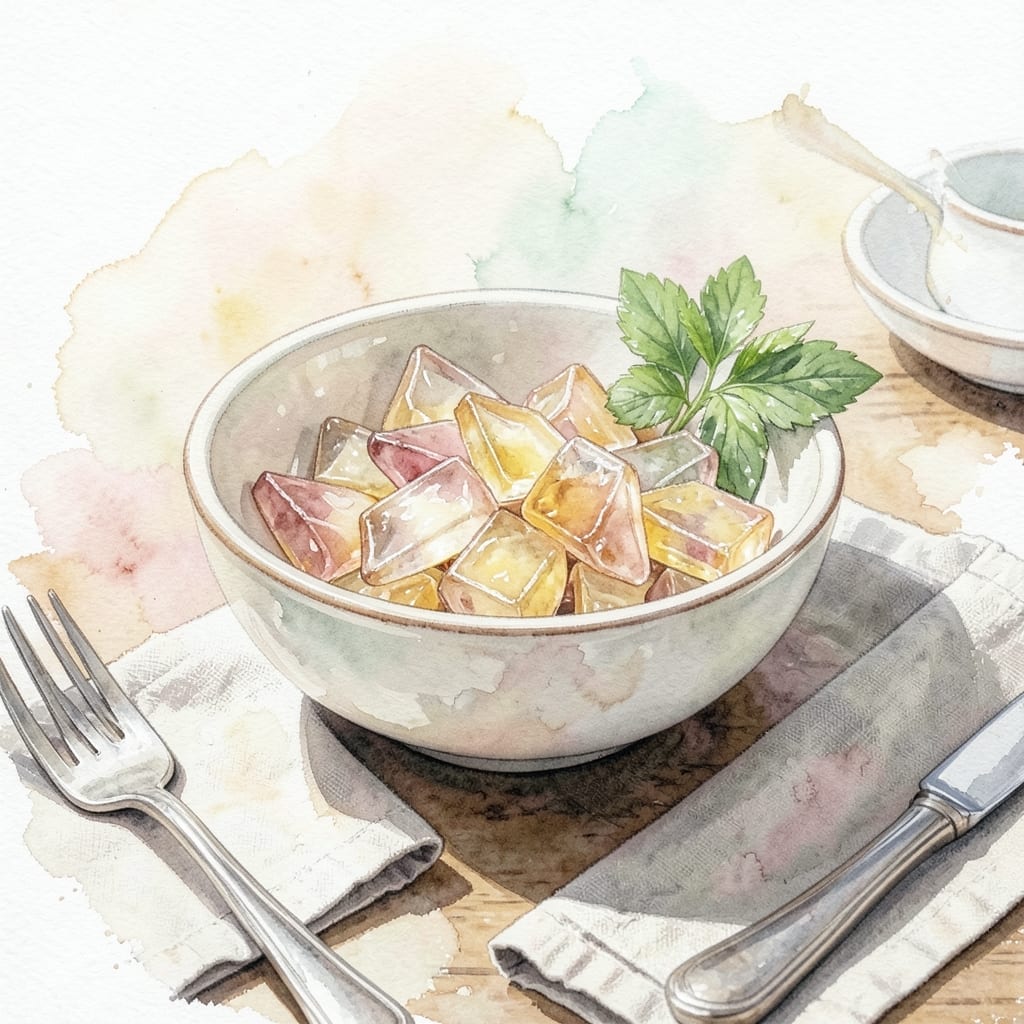
Creating professional-quality sugar glass at home is simpler than you might expect. This method produces crystal clear shards without relying on corn syrup, using only granulated sugar and water.
The process involves cooking sugar to a precise 300°F temperature, then cooling it rapidly to form brittle, glass-like sheets. The key is patience and careful temperature control to prevent burning or crystallization.
What emerges is a transparent, breakable substance that mimics real glass perfectly for decorative or culinary presentations. The result is both visually stunning and completely edible, though best used as a garnish.
Safety is paramount when working with molten sugar. This technique delivers reliable results with proper precautions and equipment.
Ingredients for Sugar Glass Recipe Without Corn Syrup
Just two core ingredients plus tools for precision and safety. Simple, effective, professional results.
| Ingredient | Amount | Notes |
|---|---|---|
| Granulated Sugar 🍚 | 2 cups | Fine white sugar preferred |
| Water 💧 | ½ cup | Filtered for clarity |
| Cream of Tartar 🧂 | ¼ tsp | Prevents crystallization |
| Lemon Juice 🍋 | 1 tsp | Freshly squeezed preferred |
| Vegetable Oil 🫒 | 1 tbsp | For greasing surfaces |
| Cornstarch 🌾 | 1 tbsp | For dusting work surface |
| Baking Sheet 🍪 | 1 piece | Heavy-duty recommended |
| Parchment Paper 📜 | 1 sheet | For easy removal |
| Heatproof Spatula 🥄 | 1 piece | Silicone preferred |
| Candy Thermometer 🌡️ | 1 piece | Digital for accuracy |
The sugar quality is non-negotiable here. Domino or C&H fine granulated sugar produces the clearest results—avoid organic or raw sugars as they contain impurities that can discolor the glass. Cream of tartar, available in the baking aisle at any grocery store, is the secret to preventing unwanted crystallization. A digital candy thermometer from OxO or ThermoWorks ensures you hit that critical 300°F mark without guesswork.
No cream of tartar? White vinegar or corn syrup at one-fourth the amount can substitute, though corn syrup defeats the purpose of this recipe. Lemon juice adds a touch of acidity that helps clarity—bottled works but fresh is better. For the baking sheet, half-sheet pans with a lip work best. If your spatula isn’t heatproof, it’ll melt in the sugar—silicone is mandatory for this.
Store unused granulated sugar in an airtight container for up to 2 years. Cream of tartar keeps indefinitely. The finished sugar glass can be kept at room temperature in a sealed container for 1 week before it starts absorbing moisture. Handle with care—it shatters like real glass.
Why You’ll Love This Recipe
- Five-Minute Magic: I throw this together faster than it takes to preheat my oven—just sugar, water, and a splash of lemon juice.
- Bright, Clean Sweetness: The cream of tartar cuts the sugar with a subtle tang that’s way more interesting than plain old candy.
- Party Trick Ready: I’ve used this for holiday windows, cake toppers, even a last-minute science project. Kids lose their minds over it.
- Pantry Staples Only: No special trips to the store. Honestly, I always have these ingredients hiding in my baking drawer.
Step-by-Step Instructions for Sugar Glass Without Corn Syrup
This method ensures crystal-clear, shatterable sugar sheets with perfect clarity and stability.
Step 1: Prepare the Work Surface and Tools
Line the baking sheet with the parchment paper, ensuring it lies completely flat with no wrinkles or bubbles. Lightly brush the parchment with the 1 tablespoon vegetable oil using the heatproof spatula, covering the entire surface evenly. This oil layer prevents sticking and helps achieve a smooth finish.
Dust the oiled parchment with the 1 tablespoon cornstarch, tapping the baking sheet gently to distribute it uniformly. The cornstarch creates a non-stick barrier that allows the sugar glass to release cleanly. Set the prepared baking sheet aside while you make the sugar syrup.
Step 2: Cook the Sugar Syrup to Hard Crack Stage
In a medium, heavy-bottomed saucepan, combine the 2 cups granulated sugar, 0.5 cup water, 0.25 teaspoon cream of tartar, and 1 teaspoon lemon juice. Stir just enough to moisten the sugar—avoid stirring once heating begins, as this can cause crystallization.
Attach the candy thermometer to the side of the pan, ensuring its tip is submerged in the syrup but not touching the bottom. Cook over medium-high heat until the mixture reaches the hard crack stage at 300-310°F. Watch for the syrup to turn a pale amber color and develop a thick, viscous consistency.
At this temperature, the syrup will form brittle threads when dropped into cold water. Remove from heat immediately once the target temperature is reached to prevent overcooking.
Step 3: Pour and Shape the Sugar Glass
Carefully pour the hot syrup onto the prepared baking sheet. Using the heatproof spatula, gently spread the syrup into an even layer, approximately ⅛-inch thick. Work quickly but carefully—the syrup will begin to set as it cools.
If air bubbles appear, lightly tap the baking sheet on the counter to encourage them to rise and pop. Avoid overworking the syrup, as this can cause premature crystallization. Allow the sugar glass to cool undisturbed at room temperature for 20-30 minutes, or until completely hard and brittle.
Step 4: Test and Break the Sugar Glass
To verify doneness, gently press the edge of the sugar sheet with your fingernail. It should feel completely solid and break with a clean, sharp snap. If it bends or feels tacky, allow it to cool for an additional 5-10 minutes before testing again.
Once fully set, use your hands or a rolling pin to break the sugar glass into shards of your desired size. The pieces should be transparent, with a glossy finish and a satisfying crunch when broken. Store the sugar glass in an airtight container at room temperature for up to 1 week, keeping it away from moisture to maintain its clarity and crispness.
Pro Tips For Making Sugar Glass Recipe Without Corn Syrup
- Use a Candy Thermometer: I learned this the hard way—guessing temperatures leads to burnt sugar or glass that won’t set. Aim for 300°F (hard crack stage) and pull it off the heat the second it hits.
- Measure Sugar Precisely: After burning three batches, I finally figured out that even a tablespoon too much sugar throws off the ratio. Stick to the recipe’s exact amounts, especially with granulated sugar.
- Skip the Stirring: Resist the urge to stir once the sugar starts boiling. Stirring can cause crystallization, and you’ll end up with grainy glass instead of smooth, clear sheets.
- Oil the Pan Lightly: Sounds weird, but it works: a thin coat of vegetable oil on your baking sheet keeps the sugar from sticking. About ½ teaspoon, spread with a paper towel, is all you need.
Perfect Pairings for sugar glass recipe without corn syrup
Dessert Decorations
These shards make any cake look like a professional patisserie creation. I love placing 3-4 inch pieces on top of buttercream frosting for dramatic height. The sugar glass catches light beautifully, creating that wow factor for birthdays or special occasions. ✨
Cocktail Garnishes
Add sophistication to drinks by floating small sugar glass shards in champagne or prosecco. The bubbles make the pieces sparkle as they slowly dissolve. For non-alcoholic options, try them in sparkling lemonade or ginger beer.
Cheese Board Accents
Create an edible centerpiece by arranging shards around soft cheeses like brie or goat cheese. The sweetness complements salty cheeses perfectly. I also like to place them next to dried fruits for a stunning visual contrast.
Ice Cream Toppings
Crush the glass into smaller pieces and sprinkle over vanilla bean or chocolate ice cream. The texture contrast between creamy ice cream and crisp sugar is incredible. Store crushed pieces in a separate container to prevent premature melting.
Mocktail Enhancements
Elevate your non-alcoholic beverages by rimming glasses with crushed sugar glass. Dip the rim in lemon juice then into finely crushed shards for a sparkling effect. This works especially well for fruit punch or citrus mocktails. 💫
Candy Arrangements
Use as decorative elements in candy gift boxes or dessert tables. The glass shards pair beautifully with chocolate truffles or caramel candies. I recommend placing them on top of other treats rather than mixing them in.
Nutrition Facts
Frequently Asked Questions
Why do I need cream of tartar in the recipe?
Cream of tartar prevents sugar crystallization, ensuring your glass stays crystal clear. Without it, the sugar may grain up as it cools. It’s a key ingredient for professional results.
Can I use a different acid instead of lemon juice?
Yes! White vinegar or citric acid work well. Use ½ teaspoon vinegar or ¼ teaspoon citric acid as substitutes. The acid helps achieve clarity and stability.
How do I fix cloudy sugar glass?
Cloudiness usually means undissolved sugar or overheating. Ensure all sugar dissolves before boiling, and avoid stirring once heating begins. Cook to exactly 300°F for best results.
How long does homemade sugar glass last?
Stored in an airtight container at room temperature, it keeps for up to 1 week. Humidity is its enemy—keep it dry to maintain the crisp texture.

- BBQ Sausage Recipe Oven: Smoky Depth Without the Grill - September 28, 2026
- BBQ Chicken Bowl Recipe Rice: Smoky Sweetness Over Fluffy Grains - September 28, 2026
- Beef Cutlet Recipe Ideas: Crispy Breaded Patties With Bold Seasonings - September 28, 2026