
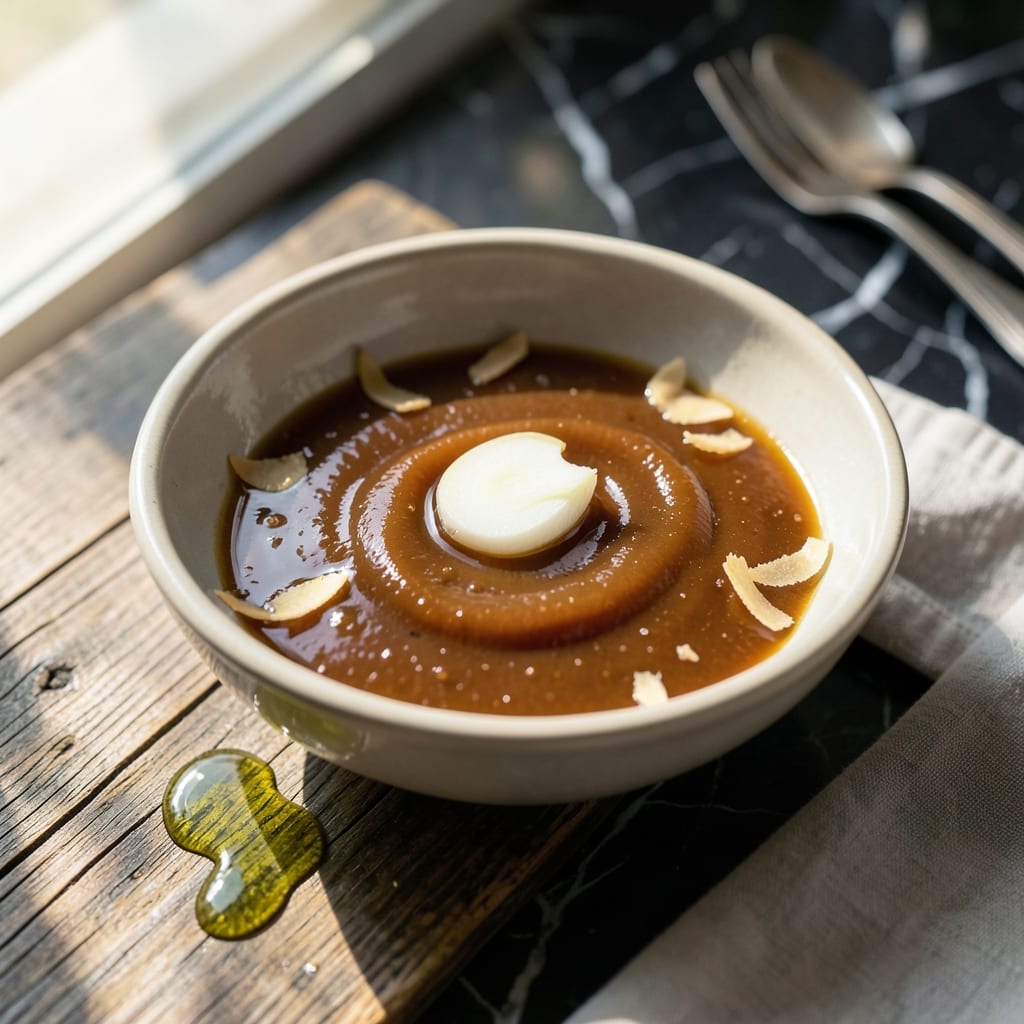
I developed this tempura sauce after realizing most recipes rely on hard-to-find ingredients like dashi and mirin. This version achieves authentic flavor with simple pantry staples.
The secret lies in combining soy sauce with a touch of sugar and vinegar to create that perfect balance of savory, sweet, and tangy. It’s the ideal dipping sauce for crispy tempura and other fried foods.
You’ll get a smooth, glossy sauce that clings perfectly to every bite. The umami depth comes from the soy sauce base, while the vinegar adds just the right amount of brightness.
Make a batch and store it in the fridge for up to a week—it only gets better as the flavors meld.
Ingredients for Tempura Sauce Recipe Without Dashi and Mirin
Eight pantry staples. Ten minutes. Better than any store-bought version.
| Ingredient | Amount | Notes |
|---|---|---|
| Soy Sauce 💧 | ½ cup | Low-sodium or regular |
| Rice Vinegar 🍶 | 3 tbsp | Or apple cider vinegar |
| Granulated Sugar 🍚 | 2 tbsp | Dissolves easily in sauce |
| Water 💧 | ¼ cup | To thin the sauce |
| Garlic Clove 🧄 | 1 clove | Minced for extra flavor |
| Fresh Ginger 🌿 | 1 tsp | Grated for depth |
| Sesame Oil 🫒 | ½ tsp | Toasted variety preferred |
| Cornstarch 🌾 | 1 tsp | Optional for thickening |
The soy sauce is your umami foundation—Kikkoman or San-J are solid choices. Rice vinegar is ideal for that mild tang, but apple cider vinegar works in a pinch (just a touch more assertive). For the ginger and garlic, fresh is best—powdered versions can taste flat. Sesame oil adds that final layer of complexity, but use it sparingly. I grab mine from Trader Joe’s or the Asian aisle at any supermarket.
No rice vinegar? White vinegar with a pinch of sugar gets you close. Out of fresh ginger? Ground ginger at half the amount works, though it’s not quite the same. Skip the garlic if you must, but it adds a nice kick. The cornstarch is optional—use it if you want a slightly thicker sauce. For a sweeter version, brown sugar or maple syrup can replace the granulated sugar.
This keeps beautifully in the fridge for 7-10 days—the flavors deepen over time. Store in a clean jar with a tight lid. If it thickens too much, just stir in a splash of warm water. Freezing isn’t recommended (it separates), but it’s so quick to make, you’ll never need to.
Why You’ll Love This Recipe
- Five-Minute Mix: I just stir soy sauce, rice vinegar, sugar, water, and minced garlic in a bowl—no cooking, no fuss.
- Garlic Punch: The raw garlic clove gives it a sharp, fresh kick that cuts through fried foods beautifully.
- Dips Everything: I use it on tempura, dumplings, even roasted veggies. Honestly, it’s my new all-purpose sauce.
- Pantry Staples: Everything in here is already in my kitchen—no special trips, no wasted ingredients.
Step-by-Step Instructions for Tempura Sauce Without Dashi and Mirin
Here’s how I make this umami-packed sauce with no fancy ingredients.
Step 1: Combine the Liquid Base
In a small saucepan, pour in the 0.5 cup Soy Sauce, 3 tbsp Rice Vinegar, and 0.25 cup Water. I like to use a light-colored soy sauce here so the final sauce has a beautiful amber color, but regular works too.
Set the pan over medium heat and bring the mixture just to a gentle simmer. You’ll see tiny bubbles forming at the edges—that’s your cue to reduce the heat slightly. This gentle start prevents the vinegar from evaporating too quickly and keeps the flavors balanced.
Step 2: Sweeten and Infuse with Aromatics
Stir in the 2 tbsp Granulated Sugar and continue heating until it’s completely dissolved. The sugar should disappear without any grainy texture—this usually takes about 2-3 minutes.
Now add the 1 clove Garlic Clove (minced) and 1 tsp Fresh Ginger (grated). I let these simmer together for 1-2 minutes until the kitchen smells fragrant. Don’t let it boil hard—you want to infuse the flavors without making the sauce too sharp or bitter.
Step 3: Thicken and Finish with Sesame
In a small bowl, mix the 1 tsp Cornstarch with 1 tablespoon of cold water to make a slurry. Slowly whisk this into the simmering sauce. The mixture will thicken slightly within 30-60 seconds—just enough to coat the back of a spoon.
Remove from heat and stir in the 0.5 tsp Sesame Oil. This is the moment that matters: the toasted sesame oil adds that final depth of flavor that makes this sauce special. Let it sit for 1 minute to meld all the flavors together.
Step 4: Cool and Serve
Transfer the sauce to a serving bowl and let it cool to room temperature. The sauce will thicken a bit more as it cools. I always taste and adjust at this point—sometimes I add a tiny pinch more sugar if it needs balancing.
This makes enough for 4 servings. Serve it warm or at room temperature with your favorite tempura, spring rolls, or even as a dipping sauce for dumplings. Store any leftovers in an airtight container in the fridge for up to 5 days.
Pro Tips For Making Tempura Sauce Recipe Without Dashi And Mirin
- Crush the Garlic: Mince the garlic clove finely or press it—this releases more flavor into the sauce so it doesn’t taste flat. I learned this the hard way after wondering why my first batch tasted one-dimensional.
- Simmer, Don’t Boil: Heat the mixture just until the sugar dissolves, then pull it off the heat. Boiling it too hard can make the soy sauce bitter and the sauce too thick.
- Balance the Vinegar: Taste as you go and add rice vinegar slowly—too much can overpower the soy. My grandmother swore by a 2:1 ratio of soy to vinegar, and she was right.
- Rest Before Serving: Let the sauce sit for 10 minutes after cooking to let the flavors meld. Sounds weird, but it works—especially if you’ve used fresh garlic.
Health Benefits of These Flavors
Low Sodium Option
Using low-sodium soy sauce reduces the sodium content by about 40% compared to regular. This small change makes the sauce more heart-friendly while keeping all the flavor. I often make this swap for my family.
Antioxidant Boost
The fresh ginger and garlic in this sauce provide natural antioxidants that support immune function. Ginger also aids digestion, making this sauce a great choice for heavy fried foods. 💪
Minimal Added Sugar
With only 2 tablespoons of sugar for the entire recipe, this sauce is much lower in added sugars than commercial versions. You can reduce it further to 1 tablespoon if you prefer less sweetness.
No Artificial Additives
Unlike store-bought sauces, this homemade version contains no preservatives or artificial flavors. You control exactly what goes into it, making it a cleaner, more wholesome option for your meals.
Vegan and Gluten-Free Potential
This sauce is naturally vegan. For a gluten-free version, simply swap the soy sauce for tamari. I recommend San-J gluten-free tamari for the best flavor.
Balanced Macros
Each serving contains minimal calories (about 30-40) with negligible fat. The small amount of healthy fats from sesame oil provides essential fatty acids without excess. 🌟
Nutrition Facts
Frequently Asked Questions
Can I use apple cider vinegar instead of rice vinegar?
Yes! Apple cider vinegar works well, though it has a slightly stronger flavor. Use the same 3 tbsp amount, but add 1 tsp sugar extra to balance the tang.
How do I make it spicier?
Add 1/2 tsp of red pepper flakes or 1/4 tsp cayenne while simmering. For heat without changing flavor, a dash of sriracha blends in perfectly.
Can I skip the cornstarch?
The sauce will be slightly thinner but still delicious. For a thicker texture without cornstarch, simmer the sauce for an extra 2-3 minutes.
What if my sauce is too salty?
Balance it by stirring in 1 tsp honey or 1 tbsp water. Adding a splash of lemon juice can also help mellow the saltiness.

- Pav Bhaji Recipe Food Lab: Mumbai Street Food Magic at Home - October 6, 2026
- Peach Jelly Recipe Without Pectin: Naturally Set Sweet Spread - October 6, 2026
- Pasta Salad Recipe With Zesty Italian Dressing: Bright Herb-Kissed Medley for Picnics - October 6, 2026