
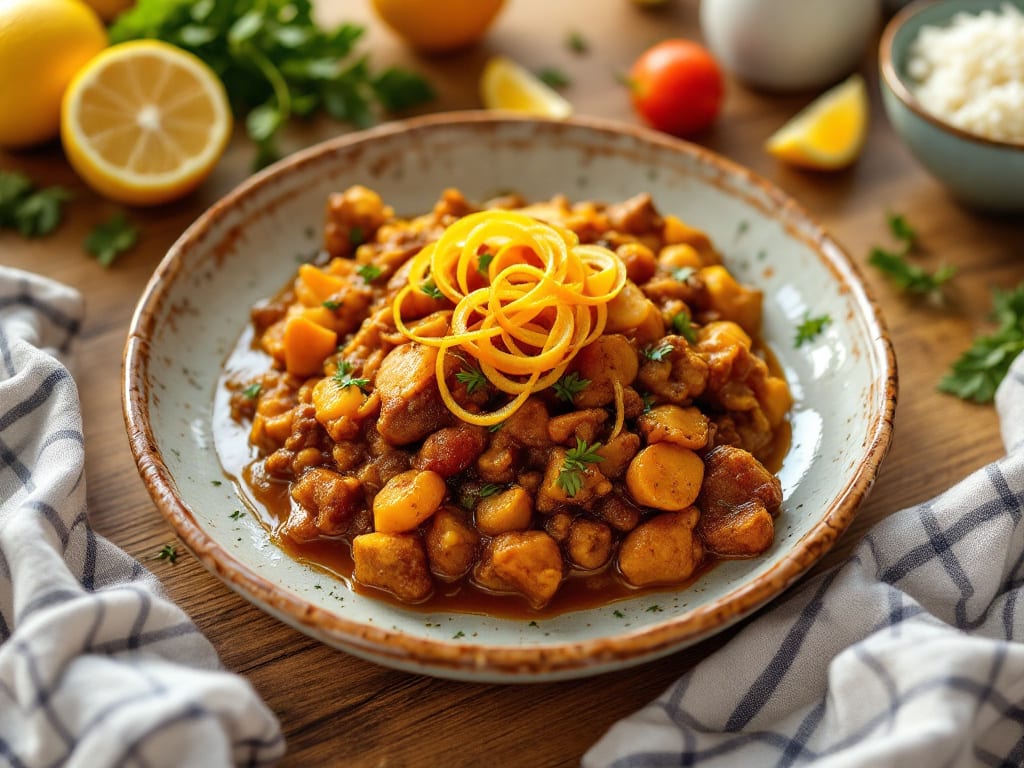
This tindora curry recipe delivers the perfect balance of tender jackfruit and aromatic coconut gravy that transforms a simple vegetable into a restaurant-worthy dish. The secret lies in slow-cooking the jackfruit until it becomes fork-tender while building layers of spice through careful sautéing and simmering.
I developed this recipe after years of experimenting with Indian curries, refining the technique to achieve that ideal texture and depth of flavor.
The process begins with properly preparing the jackfruit—whether fresh or canned—to ensure it absorbs the rich coconut-based sauce without becoming mushy. A blend of whole spices like mustard seeds, curry leaves, and turmeric creates a fragrant base that forms the foundation of the dish.
The coconut milk not only adds creaminess but also balances the spices, creating a harmonious flavor profile that’s both comforting and complex.
By the time you serve this curry, you’ll have tender jackfruit pieces swimming in a velvety, spiced coconut gravy that clings to every bite. The aroma alone will have everyone gathering around the table, while the texture offers that perfect contrast between tender jackfruit and the smooth, slightly thickened sauce.
This dish is versatile enough for weeknight dinners or special occasions, and the flavors only deepen as it sits.
Adjust the spice level to suit your preference—whether you like it mild and comforting or bold and aromatic. Pair it with steamed rice or warm naan for a complete meal that feels both professional and deeply satisfying. Let’s get cooking!
Ingredients for tindora curry
Fifteen essential ingredients transform simple jackfruit into restaurant-quality tindora curry.
| Ingredient | Amount | Notes |
|---|---|---|
| Young Green Jackfruit 🍈 | 1 ½ lb | Fresh or canned, drained well |
| Coconut Milk 🥥 | 1 can | Full-fat, 13.5 oz can |
| Yellow Onion 🧅 | 1 whole | Medium, finely chopped |
| Garlic Cloves 🧄 | 6 cloves | Peeled, minced finely |
| Fresh Ginger 🌿 | 1 ½ oz | About 2-inch piece, grated |
| Tomato Paste 🍅 | 2 tbsp | High-quality, unsweetened |
| Mustard Seeds 🌶️ | ½ tsp | Whole, yellow variety |
| Curry Leaves 🌿 | 10 whole | Fresh, dried alternative |
| Ground Turmeric 🌶️ | ½ tsp | Freshly ground preferred |
| Ground Cumin 🌿 | ½ tsp | Toasted for depth |
| Ground Coriander 🌶️ | ½ tsp | Freshly ground ideal |
| Red Chili Powder 🔥 | ½ tsp | Adjust for heat preference |
| Salt 🧂 | 1 tsp | Diamond Crystal kosher |
| Fresh Cilantro 🌿 | ¼ cup | Chopped, for garnish |
| Vegetable Oil 🫒 | 2 tbsp | High smoke point |
The jackfruit is the star—fresh is ideal but high-quality canned jackfruit works perfectly when drained well. For fresh, select young green jackfruit with firm flesh; Indian or Asian grocery stores often carry it. Coconut milk must be full-fat for authentic creaminess—Thai Kitchen or Aroy-D brands are reliable. Fresh ginger and garlic should be vibrant; grate the ginger with a microplane for fine texture. Curry leaves are non-negotiable for authentic flavor—find them at Indian specialty stores or use 2 dried leaves if unavailable. Mustard seeds should pop audibly when toasted—use yellow mustard seeds for traditional flavor.
No fresh curry leaves? Dried curry leaf powder at half the quantity works, though texture differs. Substitute coconut milk with light coconut milk plus 2 tbsp cream for richness. For heat-sensitive palates, reduce chili powder to 1/4 tsp or omit entirely. Tomato paste can be replaced with 2 tbsp tomato sauce if preferred. The jackfruit can be pre-cooked by simmering in water for 10 minutes if using fresh. For extra depth, toast the whole spices in oil for 30 seconds before adding other ingredients—this intensifies their flavor dramatically.
This curry develops deeper flavor when reheated—best served the next day. Store in an airtight container in the fridge for 4-5 days or freeze for 3 months. The sauce thickens upon reheating; add a splash of water or coconut milk if too thick. Garnish with fresh cilantro just before serving to preserve its vibrant color. For meal prep, portion into individual containers with a side of rice—microwaves beautifully while maintaining texture.
Why You’ll Love This Recipe
- One-Pot Magic: I swear by this recipe when I’m too tired to scrub pots—just sauté onions, garlic, and ginger until soft, toss in the jackfruit, and let the coconut milk do its work. No extra pans, no fuss, and honestly? The cleanup is just rinsing one bowl.
- Creamy Crunch Contrast: That tender jackfruit with its slight crunch, swimming in rich coconut milk—it’s the kind of balance that makes you pause mid-bite. The ginger and garlic linger just enough to warm your mouth without overpowering, and the onions add this sweet, caramelized depth that’s chef’s kiss.
- Meal Prep MVP: Between us, this curry tastes better the next day—yes, even on a Tuesday night. I make a big batch on Sundays, and by Wednesday, it’s the star of my lunchbox or a quick reheat for dinner. The jackfruit holds up perfectly, and the coconut milk keeps it luscious.
- Budget-Friendly Luxury: Fresh jackfruit might seem pricey, but it stretches further than you’d think—especially when paired with affordable staples like onions and coconut milk. I’ve fed four people for under $10 with this, and they always ask for seconds. (Between us, I never say no.)
Step-by-step instructions for tindora curry recipe
Follow this methodical approach to transform young green jackfruit into a velvety, spiced coconut curry.
Prepare and Cook the Jackfruit Base
Begin by rinsing the 1.5 lb young green jackfruit under cold water to remove any residual starch, then drain thoroughly. If using fresh jackfruit, peel away the outer skin and cut into 1-inch cubes. For canned jackfruit, drain completely and pat dry with paper towels—this prevents a watery curry later.
Heat the 2 tbsp vegetable oil in a heavy-bottomed pot over medium heat. Add the jackfruit cubes in a single layer and cook undisturbed for 5 minutes until lightly browned on all sides. Stir occasionally to ensure even browning, which builds foundational flavor. The jackfruit should develop a slight caramelization without burning—this creates depth in the final dish.
Build the Spiced Aromatic Base
Reduce the heat to medium-low and add the finely chopped 1 whole yellow onion. Cook for 4-5 minutes until translucent and just beginning to soften. Add the 6 cloves minced garlic and 1.5 oz grated fresh ginger, cooking for an additional 60 seconds until fragrant—this releases their full flavor potential.
Sprinkle in the 0.5 tsp mustard seeds and 10 whole curry leaves. Listen for the mustard seeds to pop audibly—this signals they’re ready to absorb the spices. Immediately add the 0.5 tsp ground turmeric, 0.5 tsp ground cumin, 0.5 tsp ground coriander, and 0.5 tsp red chili powder, stirring constantly for 30 seconds to toast the spices gently. This step develops their aromatic compounds without burning them.
Develop the Coconut Gravy
Pour in the 2 tbsp tomato paste and cook for 2 minutes, stirring continuously, until it darkens slightly and coats the back of a spoon. This creates a rich, umami foundation for the curry. Gradually whisk in the 1 can coconut milk, starting with the thick cream portion first, then adding the thinner liquid portion. The mixture will bubble gently—let it simmer uncovered for 5 minutes to allow excess moisture to evaporate.
Add the cooked jackfruit back to the pot along with 1 tsp salt. Stir gently to combine, then reduce heat to low. Cover and simmer for 20-25 minutes, stirring occasionally, until the jackfruit is fork-tender with no resistance. The curry should thicken slightly as it reduces, coating the jackfruit in a glossy, velvety sauce. Taste and adjust seasoning—you may need a pinch more salt or chili powder to balance flavors.
Finish and Garnish Professionally
Remove from heat and let the curry rest for 5 minutes. This allows flavors to meld fully and prevents the sauce from continuing to thicken excessively. Stir in the 0.25 cup chopped fresh cilantro just before serving, which adds a bright, herbal contrast to the rich coconut and spiced jackfruit. The cilantro should be distributed evenly throughout—this ensures each bite has its vibrant finish.
Serve immediately with steamed basmati rice or warm naan bread. The jackfruit should be tender enough to crumble easily with a fork, with each bite delivering a harmonious blend of coconut richness, aromatic spices, and subtle heat. The sauce should cling to the jackfruit and coat the back of a spoon, creating that signature South Indian curry texture.
Pro Tips For Making Tindora Curry
- Peel Ginger Fast: Use a spoon’s back to scrape off the skin in one smooth motion—no peeling knife required. I learned this the hard way after spending 10 minutes hacking at ginger like it was a potato. For tindora curry, finely mince it afterward; you want that ginger to dissolve into the sauce, not sit as chunks.
- Sear Onions Low: Keep the heat at medium-low until onions turn golden, not brown. High heat caramelizes them too fast, burning before they soften properly—you’ll end up with bitter bits in your curry. This is the thing that matters most for balancing the jackfruit’s natural sweetness.
- Cut Jackfruit Evenly: Slice the young green jackfruit into ½-inch thick rounds, not random chunks. Even pieces cook at the same rate, so you avoid mushy bits while others stay underdone. (Yes, even if you’re impatient like me—trust the process.)
- Simmer Coconut Milk Slow: Reduce the coconut milk to a thick, syrupy consistency before adding it to the curry—about 10 minutes on low heat. Skipping this step means your sauce will split or taste watery, and no one wants a soggy tindora. (Your future self will thank you.)
Health benefits of this recipe
Rich Coconut Benefits
The coconut milk in this curry provides medium-chain triglycerides (MCTs), which are metabolized quickly for an energy boost. A 1-can serving delivers about 1,200mg of MCTs, supporting brain function and providing sustained energy.
The healthy fats also help your body absorb fat-soluble vitamins like A, D, E, and K from other ingredients. 🥥
Plant-Based Protein
Young green jackfruit serves as an excellent plant-based protein source, offering about 10 grams per serving in this recipe. While not a complete protein on its own, pairing it with rice creates a complete amino acid profile.
The texture mimics pulled meat, making it a satisfying option for vegetarians or those reducing meat consumption.
Antioxidant Powerhouse
Curry leaves and fresh cilantro are packed with antioxidants that combat oxidative stress. Curry leaves contain mahanimbine, a compound shown to help regulate blood sugar levels, while cilantro provides vitamin K and C for immune support.
The turmeric adds curcumin, a potent anti-inflammatory agent that enhances the dish’s health benefits.
Digestive Aid
The combination of ginger, cumin, and coriander in this curry promotes digestive health. Ginger aids digestion and reduces nausea, while cumin stimulates bile production. Coriander seeds act as a natural carminative, reducing bloating. Together, these spices help prevent digestive discomfort while enhancing nutrient absorption from the meal. 🌿
Low-Calorie Comfort
Despite its rich flavors, this curry is surprisingly moderate in calories—about 350 calories per serving when paired with rice. The fiber-rich jackfruit and low-glycemic coconut milk help stabilize blood sugar levels, making it a satisfying yet balanced option for those monitoring calorie intake.
The dish delivers substantial flavor without heavy cream or excessive oil.
Immune Support
Garlic and onions in this curry provide allicin, a compound with antimicrobial properties that supports immune function. The vitamin C from fresh cilantro and zinc from mustard seeds further boost immunity.
Regular consumption of this dish can help strengthen your body’s natural defenses against common illnesses. This makes it a perfect comfort food with health benefits. 💪
Nutrition facts
Frequently asked questions
Can I substitute fresh jackfruit with canned for this curry?
Yes, canned jackfruit works perfectly—just drain and pat it completely dry to prevent a watery sauce. For best texture, choose young green jackfruit in brine (not syrup) and rinse well. The canned version saves prep time while delivering the same tender, meaty consistency when cooked properly.
How do I adjust the spice level in this recipe?
Start by reducing the red chili powder to 1/4 tsp for mild heat, or omit it entirely for a completely mild version. For extra heat, add 1/2 tsp cayenne pepper or a pinch of fresh red chili flakes at the end. Always taste before serving—you can balance heat with more coconut milk if needed.
Why does my curry sauce turn out too thin?
This usually happens when coconut milk isn’t reduced enough or excess moisture remains from wet jackfruit. Simmer uncovered for 5 extra minutes after adding coconut milk, or mix 1 tsp cornstarch with water and stir in at the end. For canned jackfruit, ensure it’s thoroughly drained and patted dry before cooking.
Can I make this curry ahead of time?
This curry tastes even better the next day as flavors meld. Store in an airtight container in the fridge for 4-5 days. Reheat gently on low heat, adding a splash of water or coconut milk if it thickens too much. Freeze for up to 3 months—thaw overnight in the fridge before reheating.
What’s the secret to getting perfectly tender jackfruit?
The key is even cooking and proper simmering. Brown the jackfruit well first to build flavor, then simmer covered on low heat for 20-25 minutes until fork-tender. Avoid high heat which can make it mushy. Fresh jackfruit needs slightly longer cooking than canned—test with a fork after 20 minutes.

- Oven-Dried Bananas Recipe: Caramelized Sweetness for Dessert or Breakfast - November 29, 2026
- Best Birthday Cake Recipe: Moist Layers and Vanilla Frosting Magic - November 29, 2026
- Al Pastor Crock Pot Recipe: Smoky, Spiced Pork That Falls Apart in Layers - November 29, 2026