
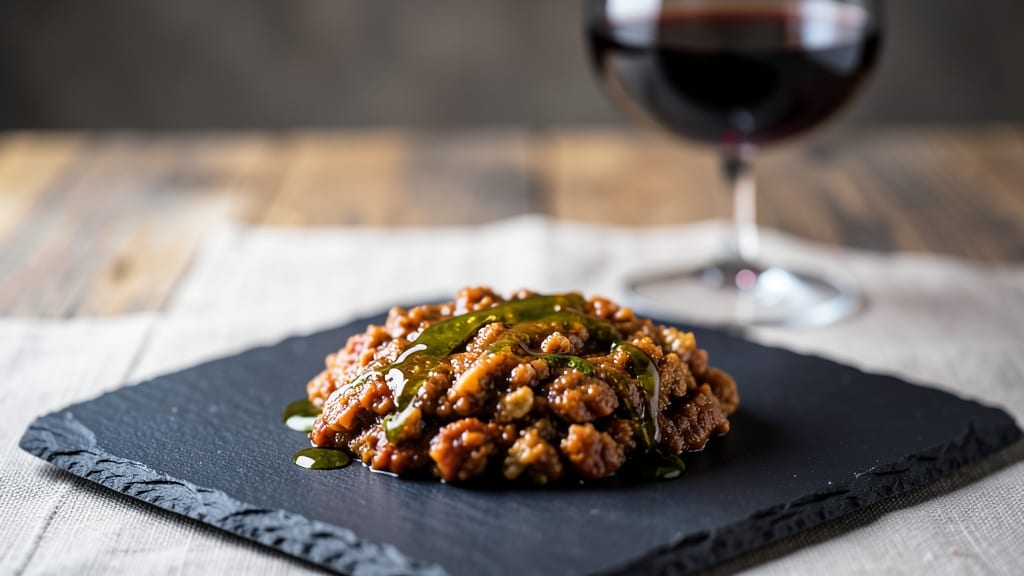
This tinga sauce recipe transforms smoky chipotle peppers and ripe tomatoes into a bold, versatile condiment that elevates everything from tacos to grilled meats.
The secret lies in balancing heat, acidity, and earthy spices—chipotle in adobo for depth, garlic for sharpness, and cumin for warmth—all simmered into a rich, chunky sauce in just 30 minutes.
I developed this version after years of testing, ensuring it delivers authentic Mexican restaurant flavor without requiring specialty ingredients.
The beauty of tinga sauce is its adaptability—use it as a marinade, dipping sauce, or topping, and it transforms simple dishes into something extraordinary. Traditional recipes rely on ground chicken or shredded beef, but this version works equally well with plant-based proteins or as a vegetable-based condiment.
The sauce’s natural acidity from tomatoes and lime keeps it fresh-tasting, even after storage, while the smoky chipotle adds complexity that lingers on the palate.
What you’ll achieve is a sauce that’s rich yet balanced, with visible chunks of tomatoes and peppers that add texture to every bite. The smokiness from the chipotle peppers pairs perfectly with the bright acidity of the tomatoes, creating a flavor profile that’s both familiar and exciting.
This sauce is the backbone of countless Mexican dishes, but its versatility makes it a pantry staple for any cuisine.
Best of all, it keeps well in the refrigerator for up to 5 days, making it ideal for meal prep.
Whether you’re serving it over grilled corn, drizzling it on tacos, or using it as a marinade, this tinga sauce will become your go-to for adding depth and heat to any dish. Let’s get started!
Ingredients for tinga sauce
Pantry staples meet smoky Mexican magic—just 11 ingredients for bold tinga sauce.
| Ingredient | Amount | Notes |
|---|---|---|
| Chipotle Peppers in Adobo Sauce 🌶️ | 4 whole | With sauce, stems removed |
| Ripe Roma Tomatoes 🍅 | 2 lb | Diced, seeds removed |
| Yellow Onion 🧅 | 1 whole | Diced, medium size |
| Garlic Cloves 🧄 | 6 cloves | Peeled, roughly chopped |
| Ground Cumin 🌿 | 1 ½ tbsp | Toasted for deeper flavor |
| Smoked Paprika 🌶️ | 1 tbsp | For authentic smokiness |
| Dried Oregano 🍃 | 1 tbsp | Mexican oregano preferred |
| Extra-Virgin Olive Oil 🫒 | ½ cup | High quality, fruity |
| Fresh Lime Juice 🍋 | 2 tbsp | Freshly squeezed |
| Salt 🧂 | 1 ½ tsp | Diamond Crystal preferred |
| Black Pepper 🌶️ | ½ tsp | Freshly ground |
Chipotle peppers in adobo are the heart of this sauce, so pick the freshest can—look for vibrant red color and minimal oil separation. I always grab mine from Trader Joe’s or H-E-B because they rotate stock well. Roma tomatoes are key for their meaty texture—avoid vine-ripened if you want consistent flavor. The onion and garlic should be fresh; yellow onions with a crisp bite work best, and garlic cloves should be firm with no green shoots. Toast your cumin seeds in a dry pan for 30 seconds before grinding to deepen their flavor—game changer.
No chipotle peppers? Substitute 1 tbsp smoked paprika plus 1 tsp cayenne for heat, but you’ll lose that authentic smoky depth. Short on Roma tomatoes? San Marzano crushed tomatoes work perfectly—they’re sweeter and less acidic. Mexican oregano unavailable? Italian dried oregano at half the amount gets you close. The olive oil should be fruity and peppery; California extra-virgin brands like Corto or Kirkland are my go-tos. Lime juice can be bottled in a pinch, but freshly squeezed is non-negotiable for that bright finish.
This sauce tastes even better the next day as flavors meld. Store in a glass jar with a tight seal—keeps for 5 days in the fridge. For longer storage, portion into ice cube trays and freeze; thaw overnight in the fridge. The texture will thicken slightly after chilling, so add a splash of water or lime juice when reheating. I double the batch every time—one for tacos, one for grilled chicken—and it disappears faster than you’d think.
Why You’ll Love This Recipe
- Here’s what sold me: I already had every ingredient. Chipotles in adobo last forever, onions and garlic are cheap, and a handful of tomatoes stretch this sauce into multiple meals. Make a double batch, freeze half, and thank me later when you’re reheating leftovers that still taste fresh.
- One-Pot Magic: I swear by this—just toss everything into a single pot, let the chipotle and cumin work their smoky magic, and walk away while it simmers. No fancy techniques, no extra dishes, and the house still smells like a Mexican street cart by the time you’re done.
- Smoky Depth Bomb: That first bite? Pure satisfaction. The chipotle peppers in adobo give it a slow-building heat, while the Roma tomatoes add bright acidity that cuts through the richness. Honestly, the cumin and garlic make this taste like it simmered for hours—even though it’s ready in 20 minutes.
- Taco Night Every Day: Between us, this sauce is my secret weapon for lazy nights, potlucks, or when I need to feed a crowd without stress. Dump it over shredded chicken for tacos, stir it into rice for burrito bowls, or even slather it on grilled veggies. It’s the one sauce that does it all—and never gets boring.
Step-by-step instructions for smoky chipotle tomato sauce
This method delivers restaurant-quality tinga sauce with deep smoky flavor and perfect balance.
Toast the Spices for Maximum Depth
Heat a dry skillet over medium heat and add the 1.5 tablespoons ground cumin and 1 tablespoon smoked paprika. Toast for 2-3 minutes until fragrant and the spices begin to darken slightly, releasing their essential oils. This step is crucial—it intensifies the smoky, earthy flavors that define tinga sauce.
Immediately transfer the toasted spices to a bowl and set aside. Then, in the same skillet, add the 6 cloves roughly chopped garlic cloves and cook for 30 seconds until golden and aromatic. Remove from heat and add these to the spices. Here’s where the magic begins—these toasted aromatics form the flavor foundation of your sauce.
Build the Tomato-Chipotle Base
In a large, heavy-bottomed pot, heat the ½ cup extra-virgin olive oil over medium heat. Add the 1 whole diced yellow onion and cook for 5-6 minutes until softened and translucent. This slow cooking ensures the onion melts completely into the sauce without becoming bitter.
Add the 2 pounds diced ripe Roma tomatoes (with seeds removed) and stir to combine. Bring to a gentle simmer and cook uncovered for 10 minutes, allowing the tomatoes to break down and release their juices. This creates a rich, velvety base for your sauce.
Here’s the thing—don’t rush this step. The tomatoes need time to soften and develop their natural sweetness before we add the heat from the chipotles. I like to taste the tomato mixture at this point—it should be sweet and slightly tangy, with no raw tomato flavor remaining.
Incorporate the Chipotles and Simmer
Add the 4 whole chipotle peppers in adobo sauce (with sauce, stems removed) to the tomato mixture. Stir well to distribute the peppers evenly throughout. The adobo sauce will initially make the mixture look thick, but don’t worry—it will incorporate as we cook.
Return the pot to medium heat and bring to a gentle simmer. Partially cover and cook for 15-20 minutes, stirring occasionally. This allows the chipotles to infuse their smoky heat while the sauce thickens naturally. The sauce should reduce by about one-third, becoming rich and concentrated.
I press the chipotles with a wooden spoon during this time to help release their smoky oils into the sauce. This ensures every spoonful carries that authentic tinga depth. The sauce should smell like a perfect balance of smoky, earthy, and slightly sweet—this is your cue that everything is coming together.
Finish with Aromatics and Seasoning
Stir in the toasted spice mixture (cumin, paprika, and garlic) along with the 1 tablespoon dried oregano, 1.5 teaspoons salt, and ½ teaspoon black pepper. These final ingredients brighten the sauce and round out its flavor profile. Let the sauce simmer uncovered for another 5 minutes to allow all the flavors to meld completely.
Remove from heat and stir in the 2 tablespoons fresh lime juice. This final touch is essential—it cuts through the richness of the sauce and adds a bright, citrusy finish that balances the smoky chipotle. The sauce should now have a glossy sheen and perfect consistency—thick enough to coat the back of a spoon but still fluid enough to cling beautifully to your protein.
Taste and adjust the seasoning if needed. I usually find the sauce needs just a touch more salt at this stage, but it depends on the saltiness of your tomatoes and adobo sauce. Let the sauce rest for 10 minutes before using—this allows the flavors to settle and intensify.
Pro Tips For Making Tinga Sauce
- Char the Onion Properly: Don’t just slice and sauté—cut the onion into even ½-inch strips, then cook them over medium-high heat until the edges are deep golden brown, not just soft. I used to rush this, and the sauce tasted flat until I realized caramelized onion adds that smoky depth that balances the chipotle heat.
- Blend the Adobo Sauce: Skip straining the adobo sauce—just blend the entire canned chipotles with their sauce into the tomatoes before cooking. The adobo liquid carries flavor, and skipping this step means you’re missing out on that rich, tangy base that ties everything together.
- Toast the Cumin First: Dry-toast the ground cumin in the same pot over low heat for 30 seconds until it smells aromatic. This simple step amplifies its earthy notes, making the sauce taste more complex than if you just dumped it in raw.
- Simmer Low and Slow: After adding the blended sauce, reduce the heat to a gentle simmer and let it cook uncovered for at least 20 minutes. This isn’t the time to rush—longer simmering deepens the flavors and lets the acidity mellow out, so the heat doesn’t overpower the dish.
Regional styles of this dish
Oaxacan-Style Tinga
In Oaxaca, tinga sauce gets a deeper, earthier profile with the addition of mole negro elements. Start by blending 1 cup cooked black beans with your chipotle peppers before simmering—this creates a richer, almost stew-like texture.
I also add 1 tablespoon dried anise seeds (toasted) and ½ cup chicken broth to the sauce for complexity. The result is a sauce that’s perfect for tlayudas or memelas, with a subtle sweetness that balances the heat. 🌶️
Yucatán Chipotle-Lime
For a brighter, citrus-forward version, the Yucatán approach incorporates 1 tablespoon achiote paste (toasted in oil first) and extra lime—up to 3 tablespoons juice. Add ½ cup diced jicama to the sauce for crunch, and finish with 2 tablespoons chopped cilantro.
This version pairs beautifully with cochinita pibil or grilled fish. The achiote gives it a vibrant red color and nutty depth that’s distinctly Yucatecan. 🍋
Northern Mexico Smoky
In states like Chihuahua and Sonora, tinga sauce leans into bold, smoky flavors with extra chipotles—sometimes up to 6 peppers—and a generous 2 tablespoons of ground cumin. I also add 1 teaspoon of Mexican oregano and ½ teaspoon of cloves for warmth.
This version is thicker and more intense, ideal for birria-style tacos or as a marinade for grilled meats. The cloves add a subtle sweetness that rounds out the heat. 🔥
Coastal Pacific Tinga
The coastal regions of Nayarit and Jalisco use fresh, local seafood in their tinga variations. I blend ½ cup cooked shrimp or octopus directly into the sauce for a briny twist. Add 1 tablespoon of fish sauce and zest from 1 lime to enhance the umami.
This lighter version is perfect for ceviche-style tacos or as a dipping sauce for totopos. The seafood adds a fresh contrast to the smoky chipotle. 🌊
Modern Fusion Twists
For a contemporary take, I experiment with adobo-glazed mushrooms (sautéed in the same skillet as the onions) and a splash of soy sauce for umami depth. Add 1 teaspoon of sesame oil and ½ teaspoon of five-spice powder for an Asian-Mexican fusion.
This works surprisingly well with grilled tofu or pork belly**. The mushrooms add a meaty texture, while the five-spice brings a warm, aromatic complexity. 💫
Nutrition facts
Frequently asked questions
Can I make tinga sauce without chipotle peppers?
The smoky depth from chipotles is essential, but you can substitute with 1 tbsp smoked paprika + 1 tsp cayenne pepper for heat. For authentic flavor, try pasilla or ancho chiles (soaked and blended) instead. The sauce will be less smoky but still delicious—just add an extra ½ tsp liquid smoke if you’re missing that campfire note.
How long will homemade tinga sauce keep?
Store in a glass jar in the fridge for up to 5 days. For longer storage, freeze in ice cube trays (thaw overnight) or silicone molds. The sauce thickens when chilled—stir in 1 tbsp water or lime juice when reheating. Pro tip: Label with the date to track freshness!
What’s the best way to use leftover tinga sauce?
Drizzle over tacos al pastor, slather on grilled corn, or mix into scrambled eggs for breakfast. It also makes a killer dipping sauce for totopos or a marinade for chicken thighs. For a quick meal, toss with black beans and avocado for a smoky bowl. The possibilities are endless!
Why does my tinga sauce taste too acidic?
Too much lime juice or unripe tomatoes can make the sauce sharp. Balance it by adding 1 tsp brown sugar or honey to mellow the acidity, or stir in ½ cup cooked chicken broth to dilute. If the tomatoes were too tart, next time use San Marzano crushed tomatoes (sweeter) or reduce the lime to 1 tbsp. Taste as you go!
Can I make tinga sauce vegan?
Skip the chicken broth and use vegetable broth instead. For extra richness, stir in 1 tbsp nutritional yeast or ½ cup cashew cream. The sauce works perfectly with grilled portobello mushrooms, tofu, or jackfruit as a meat substitute. The smoky chipotle flavor shines in plant-based dishes!

- Chilli Sauce for Hot Dogs Recipe: Smoky-Sweet Glaze That Elevates Every Bite - November 29, 2026
- Broccili Salad Recipe: Crunchy, Creamy, and Crowd-Pleasing - November 29, 2026
- Rum Simple Syrup Recipe: Balanced Sweetness for Cocktails and Desserts - November 29, 2026