
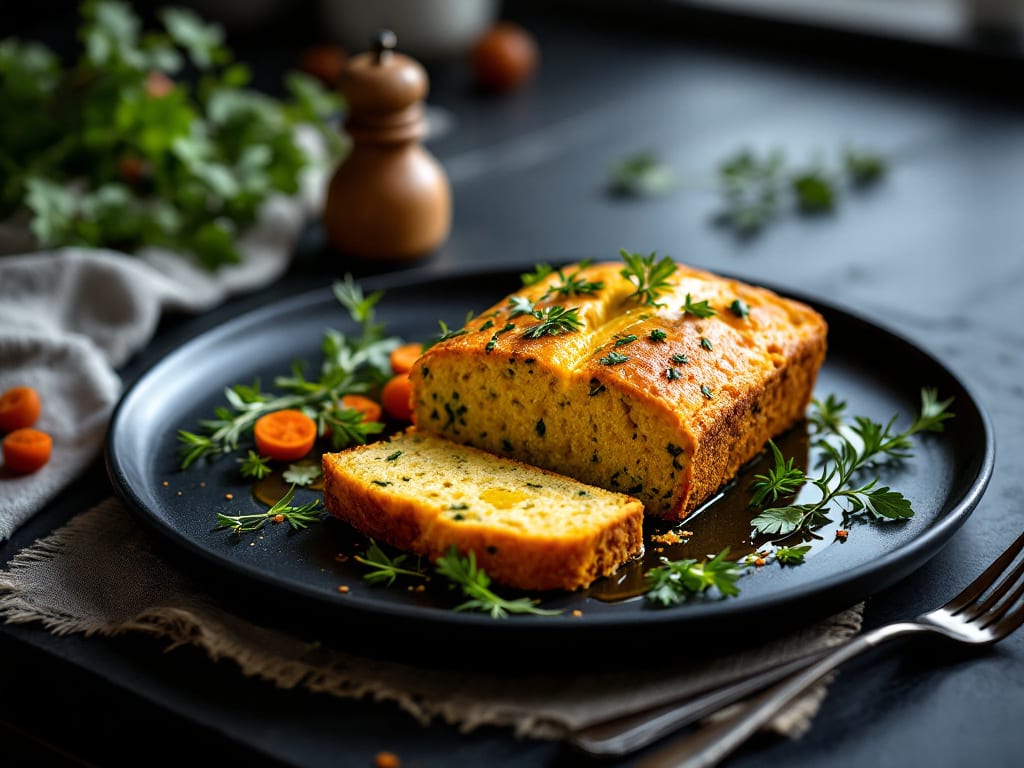
This zucchini carrot bread recipe transforms humble vegetables into a moist, spiced loaf that stays fresh for days—perfect for using up garden harvests or adding nutrition to your table.
I developed it after years of baking dense, dry quick breads, and this version finally delivers that perfect tender crumb with a subtle celery-topped crust that adds texture without overpowering. The secret lies in properly grating the vegetables and folding them gently into the batter to maintain moisture.
The beauty of this recipe is its foolproof nature—no special equipment or advanced techniques required. With just 5 basic ingredients (plus a few pantry staples) and 30 minutes of prep time, you’ll have a loaf that’s rich with carrot sweetness, zucchini moisture, and warm cinnamon notes.
The celery topping adds a delicate crunch that contrasts beautifully with the soft interior, making every slice satisfying.
What makes this bread truly special is how it balances nutrition with indulgence—packed with vegetables but tasting like a classic spice cake. The golden brown crust gives way to a tender crumb that’s just sweet enough to satisfy cravings while keeping calories in check.
Whether you’re serving it with butter at breakfast or packing slices for lunch, this loaf delivers restaurant-quality results at home.
For those watching their intake, you can easily substitute flax eggs for chicken eggs and use plant-based milk without sacrificing texture. The recipe scales perfectly for meal prep or gifting—just double the ingredients and bake in a larger pan.
Let’s get started on making this versatile loaf your new favorite quick bread.
Ingredients for zucchini carrot bread
Five basic ingredients plus a few pantry staples transform garden veggies into restaurant-quality loaf.
| Ingredient | Amount | Notes |
|---|---|---|
| All-Purpose Flour 🌾 | 2 ½ cups | Sifted for even texture |
| Granulated Sugar 🍚 | 1 cup | Light brown sugar works too |
| Packed Brown Sugar 🍚 | ½ cup | For moisture and flavor |
| Extra-Virgin Olive Oil 🫒 | ½ cup | For richness and moisture |
| Large Eggs 🥚 | 2 whole | Room temperature preferred |
| Unsalted Butter 🧈 | ½ cup | Cold, cubed for topping |
| Zucchini 🥒 | 2 cups | Grated, seeds removed |
| Carrots 🥕 | 2 cups | Grated, finely shredded |
| Ground Cinnamon 🌿 | 2 tsp | Freshly ground preferred |
| Ground Ginger 🌿 | 1 tsp | For warmth and depth |
| Baking Soda 🧂 | 1 tsp | For proper rise |
| Salt 🧂 | ½ tsp | Diamond Crystal preferred |
| Vanilla Extract 🍯 | 1 tsp | Pure vanilla preferred |
| Celery Stems 🥬 | 3 whole | Finely chopped for topping |
| Chopped Walnuts 🥜 | ½ cup | Optional for crunch |
The zucchini and carrots are the stars here—fresh from the garden is ideal, but store-bought works too. Look for firm, bright vegetables with no soft spots. Trader Joe’s and local farmers markets often have the best quality. Grate them yourself for the best texture—pre-shredded gets watery. The carrots should be orange, not pale, and the zucchini should be dark green, not yellowing. For extra flavor, let the grated veggies sit in a colander for 10 minutes to drain excess moisture before mixing into the batter.
No fresh celery? Dried celery seed at half the amount works in a pinch, though it won’t give the same crunchy topping. Substituting walnuts? Pecans or almonds are perfect alternatives, but toast them first for better flavor. Running low on brown sugar? White sugar plus 1 tsp molasses mimics the flavor. The vanilla extract is non-negotiable here—imitation extracts won’t deliver the same depth. For a gluten-free version, swap the all-purpose flour for a 1:1 gluten-free blend, but expect a slightly denser texture.
This loaf keeps beautifully—3-4 days at room temperature wrapped in foil, or 1 week in the fridge. For longer storage, freeze individual slices wrapped in plastic. The celery topping stays crisp for about 2 days before it softens, so make fresh batches if you’re prepping ahead. I like to slice it thin for sandwiches or toast it lightly for breakfast. The flavor actually improves after 24 hours as the spices meld together.
Why You’ll Love This Recipe
- No Mixer Needed: I swear by this—just a bowl, a whisk, and your hands. The brown sugar and olive oil create a tender crumb without needing to cream butter first, and those shredded zucchini and carrots fold right in. Honestly? It’s the kind of recipe that makes me feel like I’ve earned my afternoon coffee.
- Sweet-Savory Balance: That combo of granulated and brown sugar gives it a caramelized depth, while the olive oil keeps it from tasting too heavy. The eggs bind it just enough to stay moist, and the shredded veggies add a subtle earthiness that makes every bite feel intentional—not like you’re hiding produce in there.
- Breakfast or Snack: Slice it warm with butter for a quick breakfast, or pack it in lunchboxes for school or work. Between us, I’ve even used it as a base for French toast—yes, even on a Tuesday night. The versatility is why it’s always in my rotation.
- Budget-Friendly Staples: Flour, sugar, eggs—these are ingredients you already have. No fancy swaps or last-minute grocery runs. And the leftovers? They stay fresh for days, so you’re not scrambling to use them up before they go stale. My secret weapon for cutting grocery costs without sacrificing flavor.
Step-by-step instructions for zucchini carrot bread
Here’s the method—simple, tested, and guaranteed to deliver that perfect moist crumb with a celery-topped crust.
Prep the Vegetables and Mix Dry Ingredients
Start by grating the 2 cups zucchini and 2 cups carrots using a box grater or food processor. I like to squeeze out excess moisture from the zucchini with a clean kitchen towel—this keeps the bread from getting too dense. In a medium bowl, whisk together the 2.5 cups all-purpose flour, 2 teaspoons ground cinnamon, 1 teaspoon ground ginger, 1 teaspoon baking soda, and ½ teaspoon salt. This dry mix is the foundation of our flavor profile.
The grated vegetables should be fine and evenly shredded—think of it like the texture of a fine colander. If you notice any large chunks, give them a quick pulse in the food processor. The dry ingredients should be completely combined with no visible streaks of flour remaining. This ensures even distribution of spices throughout the loaf.
Combine Wet Ingredients and Mix the Batter
In a large mixing bowl, beat the 2 whole large eggs until they’re light and frothy. Add the 1 cup granulated sugar, ½ cup packed brown sugar, ½ cup extra-virgin olive oil, and 1 teaspoon vanilla extract, mixing until fully incorporated. The mixture should be smooth and slightly thick—this is where the bread gets its signature moisture and richness.
Gradually add the dry ingredients to the wet mixture, mixing on low speed until just combined. Then fold in the grated zucchini and carrots using a spatula. Be gentle here—overmixing can develop gluten and make the bread tough. The batter should be thick but pourable, with visible streaks of vegetables throughout. If it looks too thick, add a splash of water, but trust the recipe—this batter is designed to be just right.
Prepare the Celery Topping and Shape the Loaf
In a small bowl, combine the ½ cup unsalted butter (cold and cubed) with the 3 whole celery stems, finely chopped. Pulse in a food processor until it resembles coarse sand—this gives you that beautiful textured topping. Grease a 9×5-inch loaf pan with olive oil or butter, then line it with parchment paper for easy removal.
Pour the batter into the prepared loaf pan and smooth the top with a spatula. Sprinkle the celery-butter mixture evenly over the top, pressing down gently to ensure it adheres. This topping isn’t just for looks—it adds a subtle crunch and enhances the bread’s aroma as it bakes. Don’t skip this step; it’s what makes this recipe stand out.
Bake to Golden Perfection
Preheat your oven to 350°F. Place the loaf pan in the center rack and bake for 50-55 minutes, or until a toothpick inserted into the center comes out clean. The bread is done when the top is golden brown and the edges pull away slightly from the pan. If the top browns too quickly, tent loosely with foil after 30 minutes to prevent over-browning while ensuring the center cooks through.
Here’s the thing—your oven might run hot, so start checking at the 50-minute mark. The bread should spring back slowly when pressed gently in the center. If it feels slightly underdone, give it another 5 minutes—better to err on the side of slightly underbaked than dry. Once done, remove from the oven and let it cool in the pan for 10 minutes before transferring to a wire rack. This resting period allows the moisture to redistribute, ensuring that first slice is perfectly moist.
Add Walnuts (Optional) and Serve
While the bread is still warm, sprinkle the ½ cup chopped walnuts evenly over the top for added texture and crunch. These nuts add a delightful contrast to the soft, spiced loaf. Let the bread cool completely before slicing—this prevents it from falling apart. Each slice should reveal a tender crumb with visible flecks of zucchini and carrots, and that beautiful celery-butter topping on top.
Serve warm with a pat of butter or a smear of cream cheese for the ultimate experience. This bread keeps well at room temperature for 2-3 days or can be frozen for up to 3 months. The flavors only deepen over time, making it perfect for meal prep or gifting.
Pro Tips For Making Zucchini Carrot Bread
- Grate, Don’t Chop: DESCRIPTION:
- Measure Sugar by Weight: DESCRIPTION:
- Preheat Pan, Not Oven: DESCRIPTION:
- Whisk Eggs Until Ribbon-Stage: DESCRIPTION:
Troubleshooting your zucchini carrot bread
Dense, Dry Texture
This is the most common issue when baking zucchini bread, and it usually happens when the vegetables release too much moisture.
My first tip is to grate the zucchini and carrots using a box grater or food processor, then drain them in a colander for 10-15 minutes before adding to the batter. This removes excess liquid that can make the bread gummy.
Another culprit is overmixing—the moment you see gluten strands forming, stop mixing immediately. Use a spatula to gently fold in the vegetables instead of beating them in. 💡
Flat or Underbaked Center
If your loaf comes out flat or feels undercooked in the center, it’s likely due to one of two things: underbaked time or improper oven temperature. First, verify your oven is properly calibrated using an oven thermometer—many home ovens run 15-25°F hotter than their settings.
Second, bake until a toothpick inserted in the center comes out clean, even if it means going 5-10 minutes past the suggested time. For extra insurance, tent the loaf with foil after 30 minutes if the top browns too quickly while the center stays underdone.
Bitter or Off Taste
Zucchini can develop a bitter taste if it’s overripe or stored improperly. Always choose firm, bright green zucchini with no soft spots or yellowing. If you’re using store-bought grated zucchini, drain it thoroughly and rinse it under cold water to remove preservatives that can alter flavor.
For extra flavor insurance, add 1 teaspoon of lemon juice to the batter—this brightens the vegetables and balances any bitterness. Also, avoid using metallic bowls when mixing, as they can react with acidic ingredients and create off-flavors.
Celery Topping Not Crispy
The celery-butter topping should add texture, not sogginess. To prevent it from becoming mushy, chop the celery stems very finely (almost like sand) and pulse them in a food processor with cold butter until they resemble coarse sugar.
Press the mixture firmly onto the bread before baking to ensure it adheres. If your topping still turns out soft, try baking the bread for 2-3 minutes longer after it’s otherwise done—this extra time helps crisp the topping without overcooking the loaf.
Bread Sticks to Pan
Even with greased pans, zucchini bread can sometimes stick, especially when the vegetables release moisture. Always line your loaf pan with parchment paper before pouring in the batter—this creates a barrier that makes removal effortless.
If you don’t have parchment, grease the pan thoroughly with butter or olive oil, then dust it with 1 tablespoon of flour and tap out the excess.
For stubborn cases, let the bread cool in the pan for 15 minutes before attempting to remove it—this helps it set slightly and release more easily. 🔥
Uneven Rise or Sinking Middle
An uneven rise often indicates improper leavening or overloading the batter with wet ingredients. First, make sure your baking soda is fresh—old baking soda loses potency and can cause flat results. Second, measure your flour accurately using the spoon-and-level method to avoid packing it too tightly.
If your batter seems too thick, add 1 tablespoon of water at a time until it reaches a pourable consistency. For extra lift, whisk the eggs until frothy before mixing them with the wet ingredients—this incorporates air and promotes a lighter texture.
Nutrition facts
Frequently asked questions
Can I make this bread without eggs?
For a vegan version, replace the 2 eggs with 2 flax eggs (2 tablespoons ground flaxseed + 6 tablespoons water, mixed and rested for 5 minutes). This keeps the moisture and binding intact. The texture will be slightly denser but still delicious.
How do I store leftovers?
Wrap cooled slices tightly in plastic wrap or foil—they’ll stay fresh for 3-4 days at room temperature. For longer storage, freeze individual slices in airtight containers for up to 3 months. The celery topping stays crisp for about 2 days before it softens, so make fresh batches if prepping ahead.
What if I don’t have celery for the topping?
No problem! Use ½ teaspoon dried celery seed mixed with ½ cup chopped nuts (walnuts, pecans, or almonds) for a similar flavor. For a simpler option, just sprinkle ½ cup extra nuts on top—they’ll toast beautifully during baking. Toast the nuts first for even better flavor!
Can I use sweet potatoes instead of carrots?
Yes, but with adjustments! Sweet potatoes add moisture, so reduce the batter by ¼ cup liquid** (water or milk) and bake at 325°F for 50-55 minutes to prevent over-browning. The texture will be slightly denser but still delicious. For best results, peel and grate the sweet potatoes finely.
Why does my bread turn out gummy?
Gummy texture usually means excess moisture from the vegetables. Always drain grated zucchini and carrots for 10-15 minutes before mixing, and avoid overmixing the batter. If the batter seems too thick, add just 1 tablespoon of water—don’t overdo it, as this can make the bread soggy.

- Rum Simple Syrup Recipe: Balanced Sweetness for Cocktails and Desserts - November 29, 2026
- Avocado Cloud Bread Recipe: Light, Fluffy, and Egg-Free Magic - November 29, 2026
- 1950’s Betty Crocker Banana Bread Recipe: Nostalgic Spice Perfection - November 29, 2026