
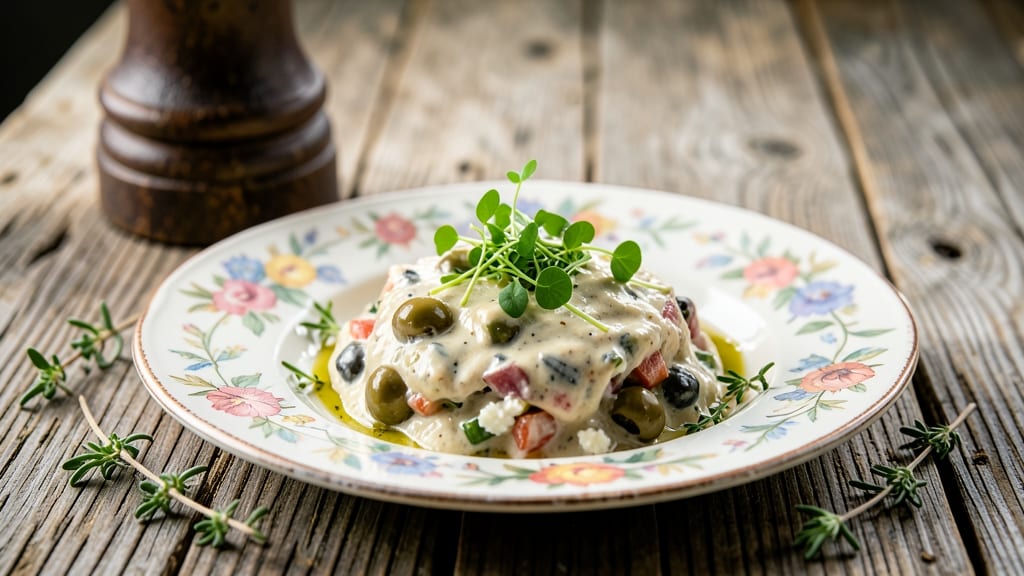
This traditional Greek salad dressing recipe transforms simple ingredients into a vibrant, tangy elixir that elevates every bite of your Greek salad. The secret lies in balancing bright lemon juice with rich olive oil, fresh oregano, and a touch of garlic to create a dressing that’s bold yet refined.
I’ve perfected this over years of testing—no shortcuts, just the authentic flavors of Greece in every pour.
The beauty of this dressing is its simplicity: just six ingredients come together in minutes to create a sauce that’s bright, herby, and impossibly versatile. Unlike store-bought versions, this one skips artificial flavors and delivers the real deal—fresh, aromatic, and full of Mediterranean character.
It’s the kind of dressing that turns a simple salad into a restaurant-worthy dish.
What you’ll end up with is a smooth, emulsified dressing that clings to greens and tomatoes without overpowering them. The lemon keeps it fresh, the oregano adds depth, and the olive oil ensures richness.
It’s the perfect topping for Greek salads, grilled meats, or even as a marinade for vegetables. Once you taste it, you’ll never go back to bottled versions.
This dressing keeps well in the fridge for up to a week, making it ideal for meal prep or gifting. Whether you’re hosting a dinner or just craving a taste of Greece, this recipe delivers authentic flavor with minimal effort. Let’s get started!
Ingredients for traditional greek salad dressing
Six ingredients, five minutes—this dressing delivers authentic Greek flavor every time.
| Ingredient | Amount | Notes |
|---|---|---|
| Extra-Virgin Olive Oil 🫒 | ¾ cup | High-quality, fruity variety |
| Fresh Lemon Juice 🍋 | ⅓ cup | Freshly squeezed, no seeds |
| Fresh Oregano Leaves 🌿 | ¼ cup | Packed, stems removed |
| Garlic Cloves 🧄 | 2 cloves | Peeled, finely minced |
| Diamond Crystal Kosher Salt 🧂 | ½ tsp | Fine grain preferred |
| Freshly Ground Black Pepper 🌶️ | ¼ tsp | Freshly cracked preferred |
The olive oil is the heart of this dressing. Look for extra-virgin with a fruity aroma—California Olive Ranch or Colavita are my go-tos, but any reputable brand works. Fresh oregano is non-negotiable here (the dried stuff just can’t compare), so hit up the grocery store’s produce section or a local market. Greek or Mediterranean markets often carry the best quality. The garlic should be fresh—if it smells pungent or sprouting, skip it. For lemon juice, I always use organic lemons when possible—they’re brighter and more flavorful. Store your olive oil in a cool, dark place to preserve its quality.
No fresh oregano? Dried oregano at one-third the amount works in a pinch, but it won’t have that same vibrant Mediterranean punch. Short on garlic? Garlic powder at half the amount gets you close, though fresh is always better. The salt and pepper are flexible—adjust to taste, but don’t skip the pepper entirely. For a smoother texture, you can strain the dressing through a fine-mesh sieve after blending. If you’re making this ahead, add the lemon juice last to prevent the dressing from separating. The olive oil can be swapped for avocado oil if you prefer a different flavor profile, but stick with extra-virgin for authenticity.
This dressing keeps beautifully in the fridge for up to 1 week if you store it in an airtight jar. The lemon juice helps preserve freshness, but it’s best used within the first few days for peak flavor. For longer storage, transfer to an ice cube tray and freeze—perfect for single-serving portions. Shake well before using since it may separate slightly over time. I always make extra because it disappears fast—great for meal prep or gifting. The dressing pairs perfectly with Greek salads, grilled meats, or even as a marinade for vegetables. Trust me, once you try this, you’ll never buy bottled again.
Why You’ll Love This Recipe
- Same jar, endless uses: drizzle on grilled fish, toss with roasted veggies, or even mix into yogurt for a dip. Honestly, I keep a batch in the fridge for everything.
- No-Chop Necessary: I swear by this—just toss in whole oregano sprigs and a smashed garlic clove. The mortar and pestle do all the work while I sip coffee. Minimal effort, maximum flavor.
- Bright & Balanced: That first tangy hit of lemon and olive oil? It’s like sunshine in a jar. The salt and oregano round it out—never overpowering, just exactly what you need.
- Weeknight to Dinner Party: Same jar, endless uses: drizzle on grilled fish, toss with roasted veggies, or even mix into yogurt for a dip. Honestly, I keep a batch in the fridge for everything.
Step-by-step instructions for traditional Greek salad dressing
This dressing comes together faster than you can say “kalimera” – simple, vibrant, and full of Mediterranean flavor.
Prepare the Oregano and Garlic Base
In a small bowl, combine the 0.25 cup fresh oregano leaves and 2 cloves garlic cloves. Use the flat side of a knife to gently press the garlic cloves against the side of the bowl, releasing their oils without mincing them. This creates a more aromatic base than pre-minced garlic would. The oregano should be packed tightly – if you’re using dried oregano, don’t substitute here as it won’t deliver that authentic fresh flavor.
Here’s the thing – I like to let this mixture sit for about 5 minutes before adding the wet ingredients. This gives the oregano time to soften slightly and release its essential oils, which makes the final dressing more fragrant. You’ll notice the bowl will smell intensely herbal – that’s exactly what you want for authentic Greek flavor.
Whisk in the Lemon Juice and Salt
Add the 0.33 cup fresh lemon juice to the oregano and garlic mixture. The lemon juice should be freshly squeezed – bottled juice lacks the bright acidity that cuts through the richness of the olive oil. Stir well to combine, then add the 0.5 teaspoon diamond crystal kosher salt. The salt should dissolve completely as you whisk, creating a slightly grainy texture that will disperse throughout the dressing.
At this stage, you’ll notice the mixture will look quite thin. That’s normal – the olive oil will come together later to create the proper emulsion. Taste the mixture now. It should be bright, tangy, and slightly bitter from the oregano. If you want it more acidic, add a little more lemon juice; if it needs more salt, add a pinch more. This is the perfect time to adjust the balance before adding the oil.
Gradually Emulsify the Olive Oil
Now comes the critical step – adding the 0.75 cup extra-virgin olive oil. I always use a high-quality fruity variety for this dressing, as its peppery notes complement the oregano beautifully. Begin by adding just 1 tablespoon of the olive oil to the lemon mixture. Whisk vigorously for about 30 seconds until the mixture begins to thicken slightly.
This is where the magic happens: slowly add the remaining olive oil, 1 tablespoon at a time, whisking continuously after each addition. The key is patience – adding the oil too quickly will create a separated dressing. You’ll know you’re doing it right when the mixture starts to thicken and become creamy. It should resemble heavy cream in consistency, not thin liquid or thick paste.
Finish with Pepper and Final Adjustments
Once all the olive oil is incorporated, add the 0.25 teaspoon freshly ground black pepper. The pepper should be freshly cracked – pre-ground pepper loses its potency quickly. Give the dressing one final whisk to ensure everything is thoroughly combined. The dressing should now have a vibrant greenish hue from the oregano and a glossy sheen from the olive oil.
Taste again and make any final adjustments. The dressing should be bright, herby, and slightly tangy with a smooth finish. If it’s too thick, add 1-2 teaspoons of water or more lemon juice to reach your desired consistency. If it’s too thin, whisk in another tablespoon of olive oil. Transfer to a clean jar with a tight-sealing lid and store in the refrigerator for up to 1 week.
Pro Tips For Making Traditional Greek Salad Dressing
- Mince the Garlic Fine: I learned this the hard way—chunky garlic in dressing tastes like you threw in a whole clove by accident. Use the flat side of your knife to crush each clove first, then mince it into tiny specks. It blends smoother and dissolves completely, so you don’t get that unpleasant texture surprise later.
- Use Cold Olive Oil: Pour chilled olive oil straight from the fridge into your dressing. Warm oil makes the lemon juice separate faster, and you’ll end up with a greasy, split dressing instead of that silky, emulsified goodness. Cold oil also preserves the lemon’s brightness longer—trust me, your salad will thank you.
- Salt the Oil First: Add your kosher salt directly to the olive oil before mixing in anything else. This lets the salt dissolve completely and season the oil evenly—no grainy bits lurking at the bottom. Skip this, and you’ll end up with clumps of salt hiding in your dressing, no matter how much you stir.
- Strain the Oregano: Tear the oregano leaves by hand instead of chopping them, then strain the dressing through a fine-mesh sieve after mixing. This keeps the dressing silky smooth and prevents bitter stems from overpowering the flavor. (Yes, it’s an extra 30 seconds, but your salad will taste like it came from a Greek taverna.)
Storing and reheating this dish
Fridge Storage Tips
Store your dressing in an airtight glass jar with a tight-fitting lid—I recommend Le Parfait 16-ounce jars for their seal. The lemon juice acts as a natural preservative, but refrigeration at 40°F or below extends freshness to 1 week.
Shake well before using, as the oil and lemon juice may separate slightly over time. I always label my jars with the date to track freshness.
For best results, let the dressing sit at room temperature for 5-10 minutes before serving. This allows the flavors to meld and the texture to slightly thicken, making it more cohesive. I notice the dressing tastes even brighter after resting—like it’s been waiting for its moment to shine. 💛
Freezing for Later
Freeze individual portions in ice cube trays for single-serving convenience. Once frozen, transfer the cubes to a ziplock freezer bag with all air removed. This method preserves texture and flavor for up to 3 months. Thaw overnight in the fridge before using—no need to defrost quickly.
If you prefer larger batches, use quart-sized mason jars with 1-inch headspace to prevent cracking. Freeze upright, and the dressing will keep for 2 months. Just remember: freezing can slightly alter texture, so it’s best for cooking uses rather than fresh salads.
Reheating and Reusing
To revive separated dressing, whisk vigorously for 30-60 seconds—the oil and lemon juice will re-emulsify. If it’s too thick after refrigeration, thin with 1-2 teaspoons of water or extra lemon juice. For a smoother texture, strain through a fine-mesh sieve before serving.
This dressing works beautifully as a marinade for grilled chicken or vegetables—just use within 2 days of freezing. The flavors intensify when used this way, making it perfect for summer grilling. I’ve even used it as a dip for pita chips—trust me, it’s a game-changer. ✨
Nutrition facts
Frequently asked questions
Why does my homemade Greek dressing separate after refrigeration?
This is completely normal! The oil and lemon juice naturally separate when chilled. Just whisk vigorously for 30-60 seconds before using—the emulsion will reform perfectly. For a smoother texture, strain through a fine-mesh sieve after reviving. The separation doesn’t affect flavor or safety, just the dressing’s consistency.
Can I substitute red wine vinegar for the lemon juice?
Yes, but the flavor will differ slightly. Use ⅓ cup red wine vinegar instead of lemon juice for a tangier, more traditional Greek taverna-style dressing. The acidity remains similar, though the citrus brightness will be replaced by wine’s deeper notes. Adjust salt to taste—vinegar-based versions often need less.
What’s the best way to store leftover dressing?
Transfer to an airtight glass jar and refrigerate for up to 1 week. For longer storage, freeze in ice cube trays (up to 3 months)—thaw overnight in the fridge before using. Always label with dates. Pro tip: Add a 1-inch headspace in jars to prevent cracking when frozen upright.
How can I make this dressing thicker or thinner?
For thicker dressing, whisk in 1 tablespoon olive oil at a time until creamy. For thinner consistency, add 1-2 teaspoons lemon juice or water. The ideal texture should cling lightly to greens without pooling. Remember: the dressing will thicken slightly when chilled, so adjust before refrigerating.
Is dried oregano acceptable if I can’t find fresh?
Use ⅓ the amount (⅛ cup dried) as a substitute, but expect a milder flavor. For best results, crush dried oregano leaves between your fingers to release more aroma. Fresh oregano delivers that signature Mediterranean brightness—if possible, visit a Greek market or specialty store for the real deal.

- Applebee’s Lemon Chicken with Quinoa Recipe: Bright Citrus Glaze and Fluffy Quinoa Fusion - November 29, 2026
- Oven-Dried Bananas Recipe: Caramelized Sweetness for Dessert or Breakfast - November 29, 2026
- Best Birthday Cake Recipe: Moist Layers and Vanilla Frosting Magic - November 29, 2026