
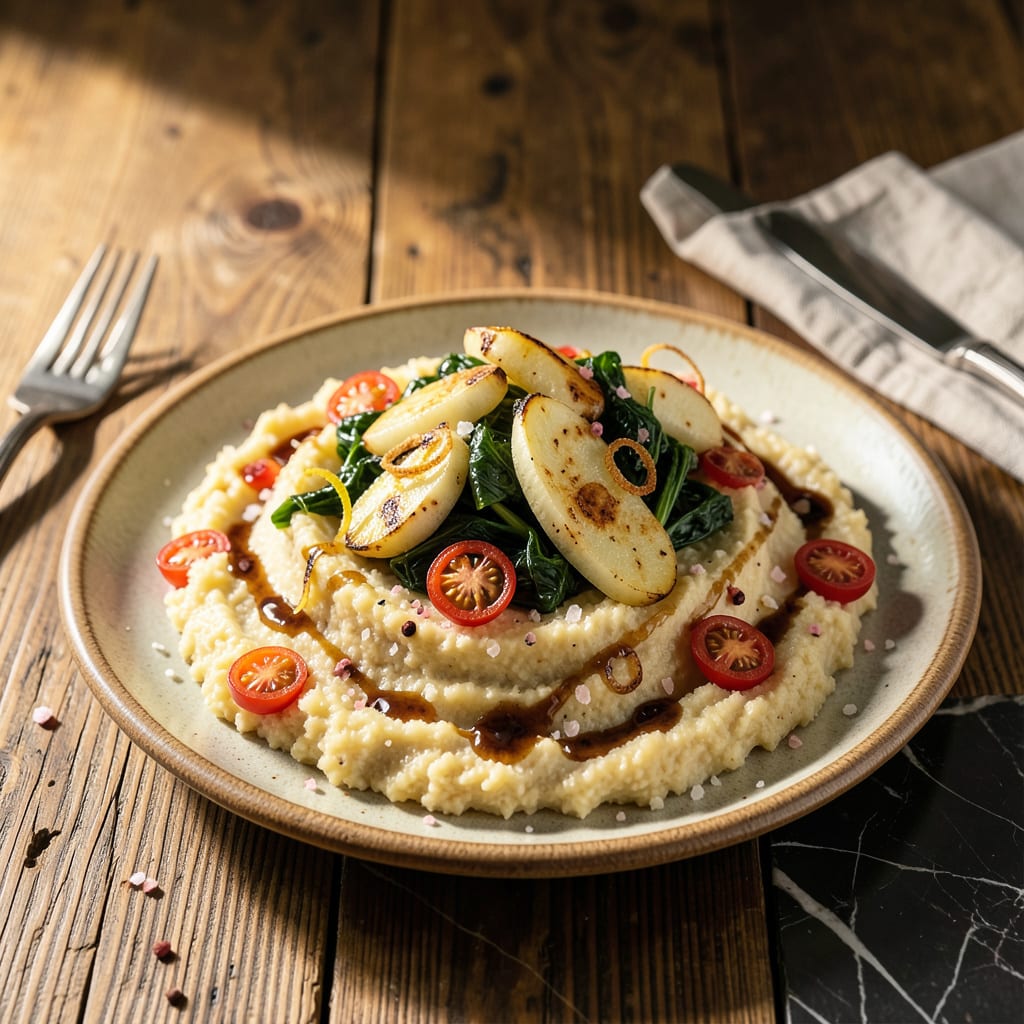
Transform basic cornmeal into a comforting dish by simmering it with water or milk, butter, and salt until thickened. Serve as creamy polenta, fried cornmeal cakes, or baked cornbread for versatile Southern-inspired meals.
This simple ingredient becomes a culinary chameleon with the right techniques. 🔥 I love how cornmeal absorbs flavors differently depending on the cooking method—whether you’re creating a silky polenta that melts in your mouth or crispy fried cakes with golden edges. The key lies in controlling the liquid ratios and heat levels to achieve your desired texture, from porridge-like consistency to firm, sliceable results.
What’s fascinating is how regional traditions shape these preparations. Southern cooks often prefer stone-ground cornmeal for its rustic texture, while Italian polenta typically uses finer grinds. I always recommend toasting the cornmeal briefly before adding liquids—this extra step unlocks a nutty depth that elevates the final dish. ✨
💡 In This Article
- How Cornmeal Texture Changes During Cooking
- Top 5 Cornmeal Recipes Beyond Classic Polenta
How Cornmeal Texture Changes During Cooking
The magic happens when cornmeal meets liquid and heat. As the dry granules absorb moisture, the starch molecules swell and eventually burst—a process called gelatinization. This transformation typically begins at 140-185°F, where the starch granules lose their crystalline structure and create that signature creamy texture.
The ratio of liquid to cornmeal determines whether you end up with a soft porridge (like polenta) or a firm, sliceable consistency (like cornbread). 🔥
Fine-ground cornmeal absorbs liquid faster than coarse varieties, which is why it’s ideal for smooth polenta. I’ve found that fine grind requires about 4 cups liquid per 1 cup cornmeal, while coarse stone-ground needs closer to 3 cups for similar consistency.
The particle size also affects cooking time—fine meal thickens in 15-20 minutes, while coarse can take 30-45 minutes to fully hydrate. You’ll notice coarse cornmeal retains more texture, giving dishes like hush puppies their satisfying bite. ✨
Here’s what most people miss: the protein matrix in cornmeal matters too. As the mixture heats, proteins denature and form a network that traps starch and moisture. This is why stirring constantly during the first 5-7 minutes prevents lumps—you’re helping distribute heat evenly.
The final texture depends on how much you agitate it: vigorous stirring creates smoother results, while minimal stirring preserves more grainy texture for rustic dishes.
Temperature control makes all the difference. Simmering at 190-200°F gives you that perfect balance—hot enough to fully gelatinize the starch but not so hot that the mixture scorches. I always recommend using a heavy-bottomed pot to prevent hot spots.
The visual cue you’re looking for is when the mixture pulls away slightly from the sides of the pot and holds its shape when you draw a spoon through it. 💫
What’s fascinating is how fat content changes the mouthfeel. Adding butter or oil coats the starch granules, preventing them from bonding too tightly. This is why Southern-style cornbread with 1/4 cup fat per 1 cup cornmeal has a more tender crumb than leaner versions.
The fat also carries flavors differently—try comparing polenta made with water versus whole milk to taste how dairy fats create a richer, more velvety finish.
For crispy applications like fried cornmeal cakes, the texture transformation happens twice. First during the initial cooking (where you want a thick batter), then again when hitting 350-375°F oil. The moisture rapidly converts to steam, creating those beautiful air pockets and golden crust.
The contrast between the crisp exterior and creamy interior comes from this dual-texture development. ⚡

- BBQ Sausage Recipe Oven: Smoky Depth Without the Grill - September 28, 2026
- BBQ Chicken Bowl Recipe Rice: Smoky Sweetness Over Fluffy Grains - September 28, 2026
- Beef Cutlet Recipe Ideas: Crispy Breaded Patties With Bold Seasonings - September 28, 2026