
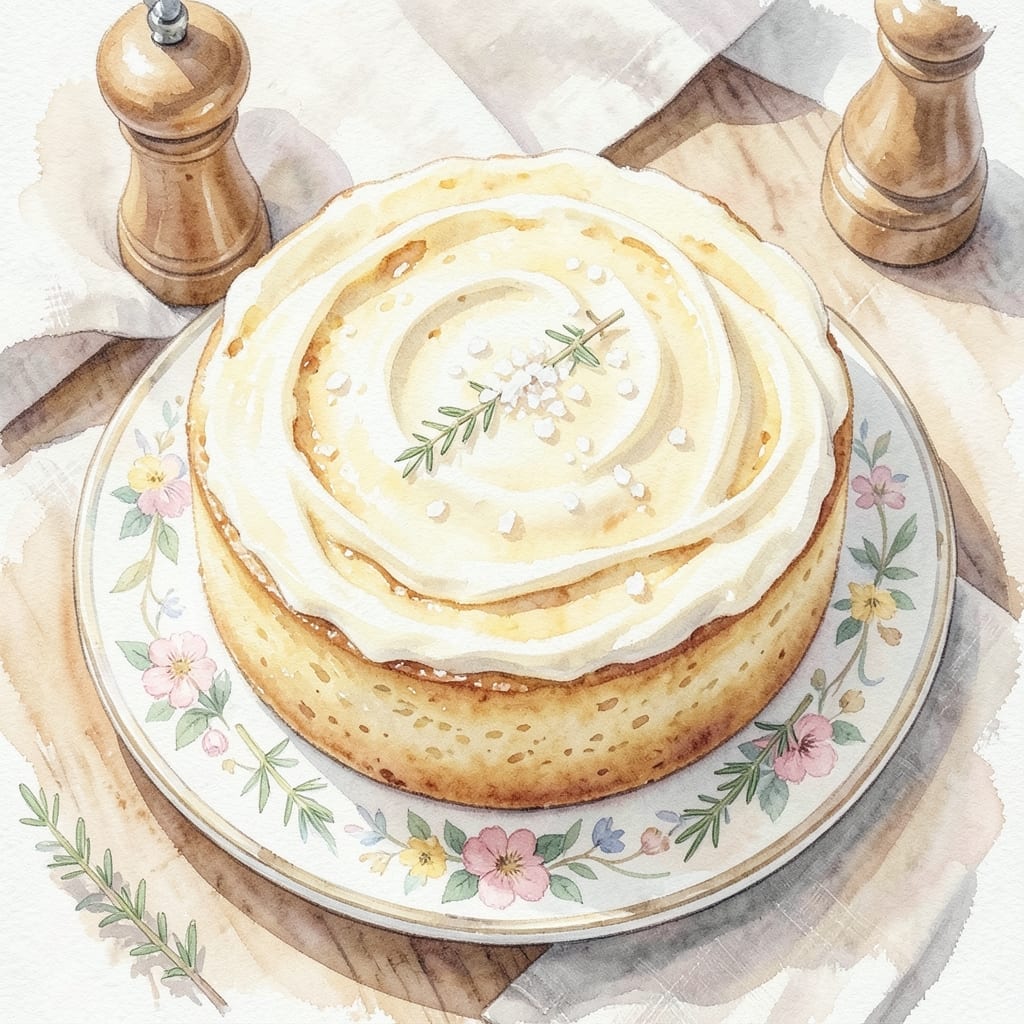
This classic vanilla cake represents the pinnacle of home baking—light, moist layers with a delicate crumb and pure vanilla flavor that shines through every bite.
What sets this recipe apart is its simplicity and precision. Room temperature ingredients blend seamlessly, while proper creaming of butter and sugar creates the airy texture that defines Ina Garten’s approach.
The result is a perfectly tender cake with a golden crust, ideal for layering with buttercream or enjoying plain with fresh berries. Its versatility makes it suitable for any celebration.
Master the technique once, and you’ll return to this recipe for birthdays, anniversaries, and everyday indulgences. The method is straightforward, the results are impressive.
Ingredients for Vanilla Cake Recipe Ina Garten
Precision matters here—room temperature ingredients and quality vanilla create that signature Ina Garten texture and flavor.
| Ingredient | Amount | Notes |
|---|---|---|
| All-Purpose Flour 🌾 | 2 ½ cups | Sifted for even texture |
| Granulated Sugar 🍚 | 1 ¾ cups | Fine grain for proper creaming |
| Unsalted Butter 🧈 | 1 cup | Room temperature, 2 sticks |
| Large Eggs 🥚 | 4 whole | Room temperature for volume |
| Whole Milk 🥛 | 1 cup | Room temperature, full-fat preferred |
| Pure Vanilla Extract 🌿 | 2 tsp | High-quality for best flavor |
| Baking Powder 🧂 | 2 ½ tsp | Fresh for optimal rise |
| Baking Soda 🧂 | ½ tsp | Balances acidity in batter |
| Kosher Salt 🧂 | ¾ tsp | Diamond Crystal preferred |
| Sour Cream 🥛 | ½ cup | Room temperature, full-fat |
| Vanilla Bean 🌿 | 1 whole | Seeds scraped, optional but recommended |
The butter and eggs must be truly room temperature—70°F is ideal. Plugrá or European-style butter yields superior flavor, but standard unsalted works. For vanilla, Nielsen-Massey or Rodelle are professional baker favorites. Sift the flour and leaveners together—this prevents pockets of baking powder that can create uneven rise. The vanilla bean is optional but adds those beautiful speckles.
No sour cream? Full-fat Greek yogurt works in a pinch (same quantity). For a lighter texture, replace half the milk with buttermilk. If you must use salted butter, reduce the kosher salt to half a teaspoon. Cake flour can substitute for all-purpose at a 1:1 ratio, though the crumb will be slightly finer. Always check your baking powder’s expiration—old leaveners are the silent killer of cakes.
The batter keeps in the fridge for 24 hours (bring to room temp before baking). Baked layers can be wrapped tightly and frozen for up to 1 month. For the best texture, serve at room temperature—cold cake hides the tenderness. Leftovers? Seal in an airtight container for 3-4 days.
Why You’ll Love This Recipe
- One Bowl Magic: I love that I can mix everything in a single bowl—no fuss, no extra dishes, just flour, sugar, butter, eggs, and milk coming together effortlessly.
- Buttery Richness: The unsalted butter and whole milk give this cake a velvety texture that’s rich but not heavy, with a classic vanilla flavor that’s pure comfort.
- Crowd Pleaser: Honestly, it’s my go-to for birthdays, potlucks, or just because—everyone from kids to grandparents asks for seconds.
- Budget Friendly: Between us, it’s a wallet-saver. Simple ingredients I already have on hand, and it makes a generous cake that stretches for days.
Step-by-Step Instructions for Vanilla Cake
Master the technique behind these perfect layers with my tested, foolproof method.
Step 1: Prepare Pans and Preheat Oven
Position a rack in the center of your oven and preheat to 350°F. Grease two 9-inch round cake pans with softened butter, then line the bottoms with parchment paper and grease the paper as well. Dust with a little all-purpose flour and tap out any excess.
This preparation ensures the cakes release cleanly after baking. I find that even nonstick pans benefit from this extra insurance. The parchment also helps prevent over-browning on the bottoms.
Step 2: Cream Butter and Sugar to Perfection
In a stand mixer fitted with the paddle attachment, beat the 1 cup unsalted butter and 1.75 cups granulated sugar on medium speed for 3-5 minutes until light and fluffy. Stop to scrape down the sides of the bowl as needed.
The mixture should be pale yellow and nearly tripled in volume. This step incorporates air that creates a tender crumb. I always use room temperature butter—cold butter won’t cream properly, and melted butter will make the cake dense.
If using the 1 whole vanilla bean, split it lengthwise, scrape the seeds into the butter mixture, and add the pod as well for maximum flavor.
Step 3: Incorporate Eggs and Dry Ingredients
Add the 4 whole large eggs one at a time, mixing well after each addition. Then add the 2 tsp pure vanilla extract. In a separate bowl, whisk together the 2.5 cups all-purpose flour, 2.5 tsp baking powder, 0.5 tsp baking soda, and 0.75 tsp kosher salt.
With the mixer on low, add one-third of the flour mixture, then half of the 1 cup whole milk, then another third of the flour. End with the remaining milk and flour. Mix just until combined—overmixing develops gluten and makes the cake tough.
Scrape the bowl and mix for another 10 seconds to ensure everything is incorporated.
Step 4: Fold in Sour Cream and Divide Batter
Fold the 0.5 cup sour cream into the batter by hand using a silicone spatula. This adds moisture and tenderness to the crumb. Divide the batter evenly between the prepared pans and smooth the tops with the spatula.
To ensure even layers, I weigh the batter in each pan—it should be nearly identical. Tap the pans gently on the counter to remove any large air bubbles before baking.
Step 5: Bake and Cool Completely
Bake for 25-30 minutes or until a toothpick inserted into the center comes out clean. Rotate the pans halfway through for even baking. The cakes should spring back when lightly pressed and begin to pull away from the sides of the pans.
Cool the cakes in the pans on a wire rack for 10 minutes, then turn them out onto the rack to cool completely before frosting. This prevents crumbling and ensures the layers hold their shape.
For best texture, let the cakes cool to room temperature—about 1 hour. Warm cake will cause frosting to melt and slide right off.
Pro Tips For Making Vanilla Cake Recipe Ina Garten
- Room Temperature Eggs: Pull your eggs out 30 minutes before baking—they’ll whip up fluffier and blend better with the butter, which I learned the hard way after ending up with a dense cake.
- Cream Butter Properly: Beat the butter and sugar for a full 3-5 minutes until it’s pale and fluffy—skipping this shortchanges the cake’s texture, and I’ve ruined a batch by rushing it.
- Don’t Overmix Flour: Fold the flour in just until it disappears; overmixing develops gluten, and my first few cakes turned out tough because I didn’t stop soon enough.
- Use Cake Flour: Sounds weird, but swapping all-purpose for cake flour makes a noticeably lighter crumb—Ina’s recipe works with either, but the texture improves with the finer grind.
Flavor Customization for This Dish
Citrus Infusion
Add 1 tbsp lemon zest or 1 tbsp orange zest to the butter-sugar mixture for a bright twist. The citrus oils amplify the vanilla’s floral notes without overpowering them. I love pairing this with a cream cheese frosting for balance.
Spiced Warmth
Stir 1 tsp cinnamon or ½ tsp nutmeg into the dry ingredients for cozy depth. A pinch of cardamom (about ¼ tsp) adds sophisticated warmth that complements the vanilla beautifully. 💛
Chocolate Swirl
Remove ¼ cup of batter and mix in 2 tbsp cocoa powder. Alternate spoonfuls of plain and chocolate batter in the pans, then swirl with a knife. This creates marbled layers with every slice.
Almond Essence
Replace ½ tsp vanilla extract with ½ tsp almond extract for a subtle nutty flavor. I use McCormick’s pure almond extract—just a little enhances the vanilla’s complexity.
Coconut Delight
Substitute ½ cup milk with ½ cup canned coconut milk and fold in ½ cup toasted coconut flakes at the end. This tropical variation pairs wonderfully with buttercream.
Espresso Kick
Dissolve 1 tsp instant espresso powder in the warm milk before adding to the batter. The coffee deepens the vanilla flavor without tasting like coffee. Trust me, this elevates the cake to restaurant quality. 🔥
Nutrition Facts
Frequently Asked Questions
Why is room temperature so important for the ingredients?
Room temperature ingredients blend uniformly, preventing a dense texture. Cold butter won’t cream properly, while cold eggs can cause curdling. Aim for 70°F for best results.
Can I use cake flour instead of all-purpose?
Yes! Use the same amount. Cake flour has a finer texture and lower protein content, resulting in an even more tender crumb. Just sift it with your other dry ingredients.
How do I know when the cake is done baking?
A toothpick inserted in the center should come out clean. The edges will pull slightly from the pan and the top will spring back when touched. Bake for 25-30 minutes at 350°F.
What if I don’t have a stand mixer?
Use a hand mixer with a large bowl. Cream the butter and sugar thoroughly, scraping the bowl often. The process may take a few extra minutes, but the results will be just as good.

- Bread Recipe KitchenAid Mixer: Foolproof Loaf With Perfect Rise - September 28, 2026
- BBQ Oysters Recipe Grill: Smoky Garlic Butter Bliss - September 28, 2026
- Crock Pot Mac and Cheese Recipe Paula Deen: Ultra Creamy Southern-Style Comfort - September 28, 2026