
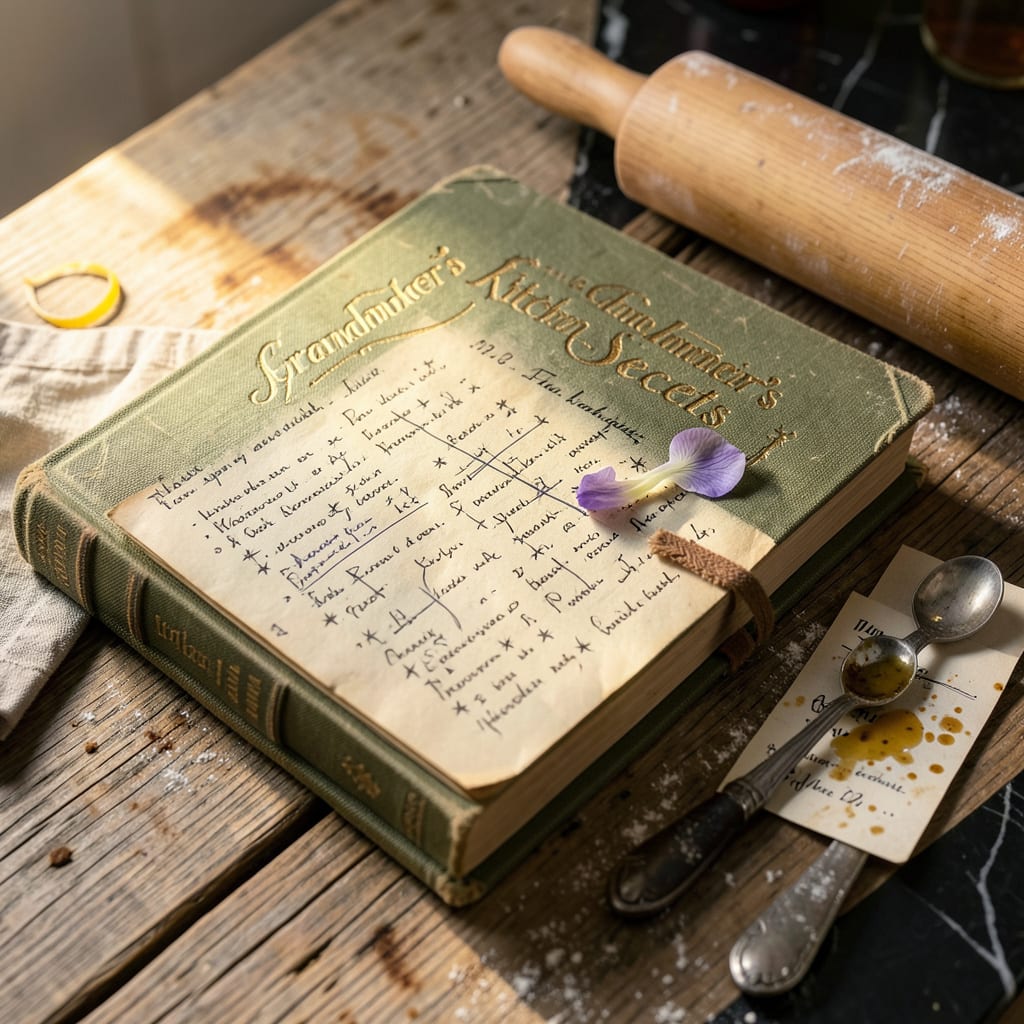
Vintage recipe books offer timeless, authentic dishes passed down through generations, featuring traditional techniques and ingredients. They’re perfect for home cooks seeking nostalgic flavors, handwritten charm, and pre-modern culinary wisdom—often with unique regional twists not found in today’s cookbooks.
These culinary time capsules do more than list ingredients—they tell stories of how families adapted to what was available before global supply chains. 🔥 I’ve noticed that many include handwritten notes in the margins, revealing personal tweaks and seasonal substitutions that modern recipes often lack. The real magic lies in their ability to connect you directly to the resourcefulness of past generations, from Depression-era stretching techniques to heirloom vegetable varieties that have nearly disappeared.
What sets them apart is their unfiltered authenticity—no food stylists, no marketing teams, just pure kitchen-tested wisdom. ✨ You’ll often find measurements like “a handful of flour” or “cook until it smells right,” which forces you to rely on instinct rather than precision. This makes them ideal for cooks who want to develop their palate and understand the why behind techniques, not just the how.
💡 In This Article
- Why Vintage Recipe Books Capture Authentic Culinary History
- How to Choose and Use a Vintage Recipe Book Today
Why Vintage Recipe Books Capture Authentic Culinary History
These books serve as edible archives of how societies ate before industrialization. Unlike modern cookbooks that standardize recipes for mass appeal, vintage versions document what people actually cooked with the ingredients they had.
A 1920s farmhouse cookbook might call for lard in pie crusts because butter was expensive, while a 1950s community church cookbook reflects the post-war abundance with canned pineapple in every casserole. The handwritten marginalia—like “use less sugar during rationing”—reveals real-time adaptations to historical events.
The measurement systems alone tell a story about domestic life. Pre-1940s recipes often used “coffee cup” measurements because most kitchens lacked standardized measuring cups. A “moderate oven” meant 350-375°F, but cooks adjusted based on their woodstove’s behavior that day.
I’ve seen 1890s recipes that assume you’re rendering your own lard or churning butter—steps completely omitted in modern versions. These details force you to engage with food in a way that connects you to the physical labor behind every meal.
Regional adaptations become glaringly obvious when you compare books. A New England vintage cookbook might feature 12 molasses-based desserts (reflecting the area’s rum trade history), while a Southwestern edition from the same era incorporates native chilies and cornmeal.
The ingredient lists read like historical census data—what grew locally, what was traded, and what was considered luxurious. A 1910 Mississippi cookbook might casually include squirrel stew recipes, while a 1930s California version features avocado in everything.
The cooking methods themselves preserve lost techniques. Vintage books teach you how to make pie crust with vinegar (for tenderness in humid climates), cure meat without refrigeration, or bake bread using wild yeast starters maintained for decades. These aren’t just recipes—they’re survival skills disguised as domestic instructions.
The “waste not” mentality appears in dishes like “Everything-but-the-Squeal” head cheese or bread pudding designed to use stale loaves. Every recipe carries the weight of necessity.
What fascinates me most is how these books document cultural fusion in real time. A 1905 San Francisco cookbook might blend Chinese stir-fry techniques with local Dungeness crab, while a 1920s New Orleans edition shows French, African, and Spanish influences in single dishes.
These aren’t “fusion” recipes by modern marketing standards—they’re organic adaptations born from immigrant communities cooking side by side. The handwritten notes often reveal whose auntie taught which technique, creating a living map of cultural exchange.
The paper quality and binding offer clues too. Books from the Great Depression were printed on thinner paper with simpler bindings, while Victorian-era ones might have embossed covers—reflecting who could afford what. Stains on the pages aren’t just accidents; they’re evidence of which recipes were loved enough to be used repeatedly.
A 1940s book with grease splatters on the meatloaf page tells you more about family dynamics than any modern cookbook introduction could.
Perhaps most importantly, these books preserve flavors that have disappeared from modern palates. Heirloom vegetable varieties like Moon and Stars watermelons or White Turkey Wheat appear in ingredient lists, alongside forgotten techniques like ash-baking or hay-box cooking.
When you cook from these books, you’re not just making dinner—you’re temporarily resurrecting tastes that haven’t existed for generations. That connection to the past is what makes the extra effort worthwhile. 💫

- BBQ Sausage Recipe Oven: Smoky Depth Without the Grill - September 28, 2026
- BBQ Chicken Bowl Recipe Rice: Smoky Sweetness Over Fluffy Grains - September 28, 2026
- Beef Cutlet Recipe Ideas: Crispy Breaded Patties With Bold Seasonings - September 28, 2026