
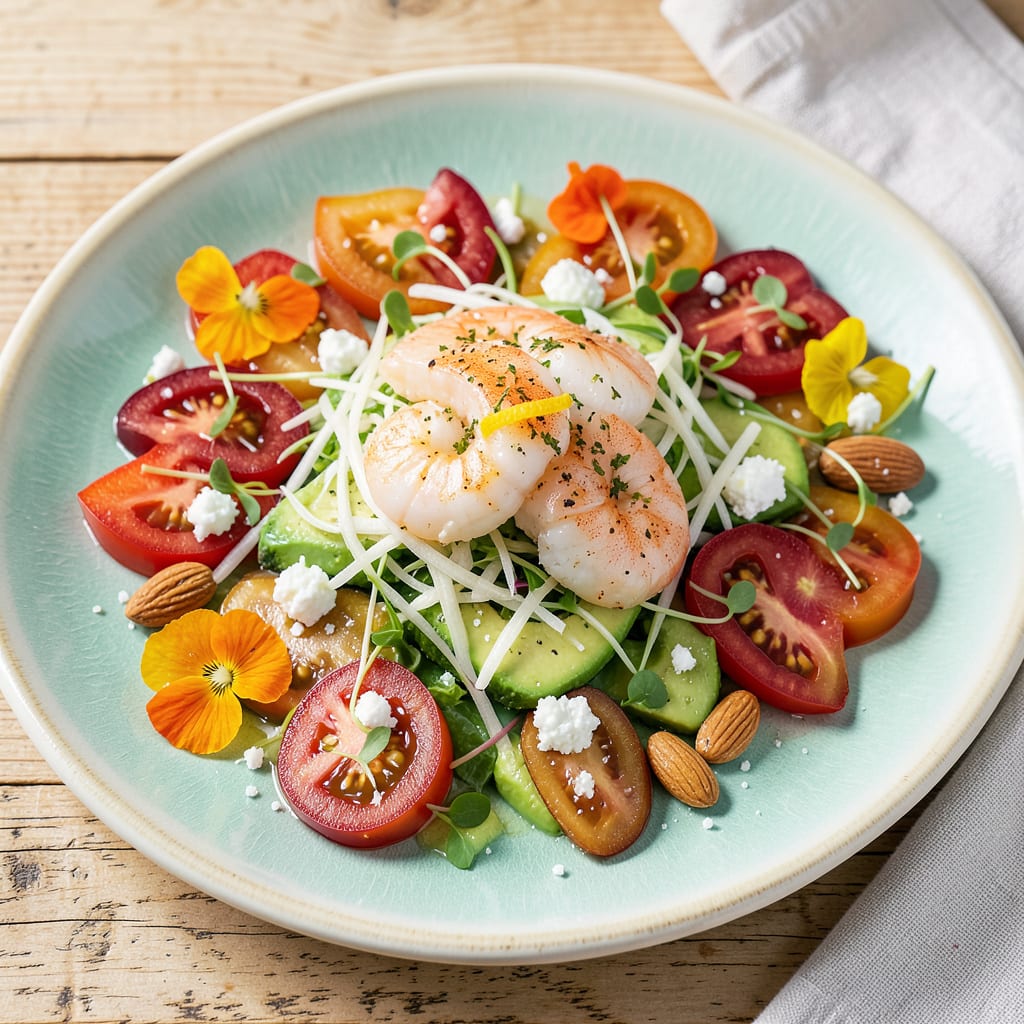
A recipe category is a way to classify dishes based on shared characteristics like cooking method, main ingredient, meal type, or cultural origin. It helps organize recipes for easier searching and meal planning.
Think of these classifications as the backbone of any well-organized kitchen library. 🔥 They go beyond simple labels by creating logical connections between dishes—whether it’s grouping 30-minute meals for busy weeknights or separating gluten-free options for dietary needs. What makes this system powerful is its flexibility: the same dish might belong to multiple categories depending on how you approach it. For example, a stir-fry could be Asian cuisine, a vegetarian option, and a quick weeknight dinner all at once.
From a practical standpoint, this organization method transforms how we interact with recipes. ✨ It allows home cooks to quickly identify meals that fit their current needs—whether that’s using up leftover chicken breasts, finding kid-friendly options, or planning a full holiday menu. Professional chefs rely on these categories too, but with an added layer of precision for menu development and inventory management.
💡 In This Article
- How Recipe Categories Improve Meal Organization
- Popular Recipe Categories and Their Key Features
How Recipe Categories Improve Meal Organization
The magic of recipe categorization lies in its ability to transform chaos into order. Imagine having 200+ recipes at your fingertips—without categories, finding the right one would be like searching for a needle in a haystack.
🔥 These classifications act as filters, letting you instantly narrow down options based on what matters most: cooking time (under 30 minutes vs. slow-cooked), dietary needs (vegan, keto, gluten-free), or even equipment required (one-pot, air fryer, Instant Pot).
For home cooks, this system saves both time and mental energy. Studies show that decision fatigue sets in after about 7 choices—so when you’re staring at a fridge full of ingredients at 6 PM, categories help you bypass analysis paralysis. Need a protein-rich dinner using ground turkey that takes less than 45 minutes?
A well-categorized recipe collection lets you find matches in seconds rather than scrolling endlessly. Professional kitchens take this further by color-coding categories for visual efficiency during service.
The real power emerges when you combine multiple categories. 💡 Let’s say you’re meal prepping for the week: you might cross-reference “high-protein”, “meal-prep friendly”, and “reheats well” to create a balanced plan.
Chefs use this same logic when designing menus, ensuring variety in textures (crispy vs. creamy), temperatures (hot vs. cold dishes), and cooking methods (grilled, braised, raw) across courses. This strategic organization prevents flavor repetition and ensures nutritional balance.
Digital tools have supercharged this system. Modern recipe apps use category tags to generate shopping lists, calculate nutritional profiles, and even suggest wine pairings automatically. The backend algorithms analyze your most-used categories to predict what you’ll want to cook next—like how streaming services recommend shows.
For example, if you frequently use the “kid-approved” and “one-pan” tags, the system will prioritize similar recipes during your weeknight dinner searches.
There’s also a psychological benefit to this organization. 🌟 Research from Cornell University found that people who use categorized systems for meal planning waste 22% less food because they can better match recipes to ingredients they already have.
The visual structure of categories reduces the mental load of meal planning, making it more likely you’ll actually use those recipes instead of defaulting to takeout. Even simple divisions like “breakfast”, “lunch”, and “dinner” create mental shortcuts that help maintain consistent cooking habits.
Advanced cooks take categorization further by creating custom tags for their specific needs. You might add categories like “game-day snacks”, “potluck crowd-pleasers”, or “date-night impressive but easy”. Some even categorize by mood (comfort food, light and fresh) or occasion (holiday feasts, summer BBQs).
This personalized approach transforms your recipe collection from a static archive into a dynamic tool that adapts to your lifestyle and culinary goals.

- BBQ Sausage Recipe Oven: Smoky Depth Without the Grill - September 28, 2026
- BBQ Chicken Bowl Recipe Rice: Smoky Sweetness Over Fluffy Grains - September 28, 2026
- Beef Cutlet Recipe Ideas: Crispy Breaded Patties With Bold Seasonings - September 28, 2026