
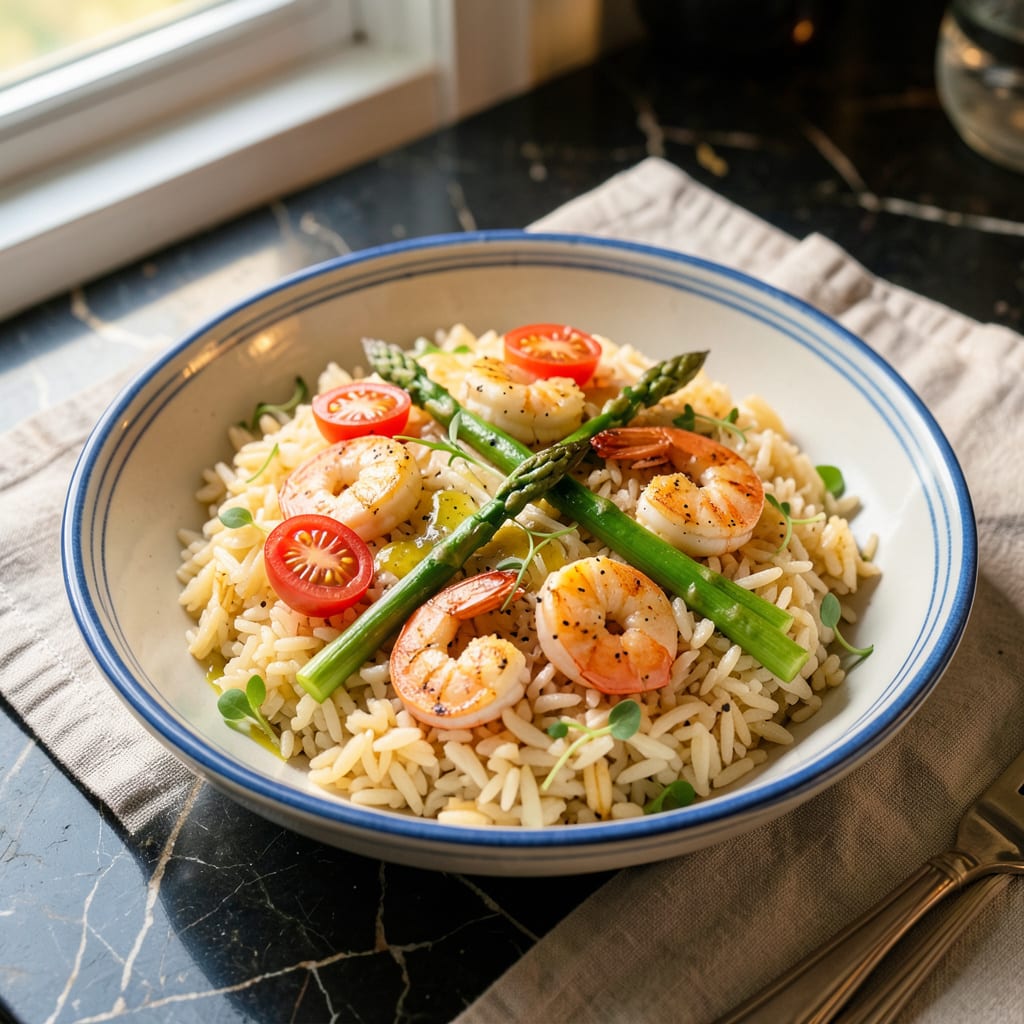
Converted rice is parboiled rice that’s been steamed under pressure before milling, giving it a firmer texture and higher nutrient retention than regular white rice. It cooks in about 20-25 minutes and stays fluffy without sticking, making it ideal for pilafs, casseroles, and stuffed dishes.
This unique processing method transforms the rice’s natural starches, which is why it holds up so well in dishes with long cook times or multiple ingredients. 🔥 I love using it for recipes like jambalaya or stuffed peppers because it absorbs flavors beautifully while maintaining its structure—no mushy results here. The parboiling also preserves more nutrients than traditional milling, so you get a texture that’s both satisfying and slightly more wholesome.
💡 In This Article
- How Converted Rice Is Processed and Why It Differs
- Best Recipes and Substitutes for Converted Rice
How Converted Rice Is Processed and Why It Differs
The magic of converted rice starts with a unique parboiling process where rough rice is soaked, steamed under high pressure (around 20-30 psi), then dried before milling. This pressure-cooking forces water-soluble nutrients like B vitamins and magnesium from the bran into the endosperm, boosting nutritional value by up to 80% compared to regular white rice.
The steam also gelatinizes the starches, creating a firmer grain that won’t fall apart during cooking. 🔥
What you’ll notice immediately is the golden hue—this comes from natural pigments in the bran layer that get locked into the grain during processing. The starch structure changes too: instead of being loose and sticky like white rice, converted rice has a more crystalline formation.
This means it absorbs liquids slowly and evenly, which is why recipes call for a 2:1 water-to-rice ratio and 20-25 minutes of simmering. The result? Perfectly separate grains every time. ✨
Nutritionally, converted rice sits between white and brown rice. It has a glycemic index of about 38 (compared to white rice’s 73), making it a better choice for blood sugar control. The parboiling process also preserves about 80% of the fiber that would normally be lost in white rice milling.
I love that it gives you the convenience of white rice with some of brown rice’s benefits—without the chewy texture or longer cook time. 💛
In the kitchen, this processing makes converted rice incredibly forgiving. Unlike basmati or jasmine that can turn gluey if overcooked, converted rice maintains its structure even if left on the stove a few minutes too long.
The grains stay distinct yet tender, which is why it’s the secret weapon in dishes like paella or rice pilaf where you want each bite to have perfect texture. The neutral flavor also makes it a chameleon—equally at home in spicy Cajun dishes or delicate herb-infused sides. ⚡
Here’s a fascinating detail: the parboiling process actually changes how the rice interacts with water. While regular white rice absorbs water quickly and can become mushy, converted rice’s altered starch structure creates a protective barrier.
This is why it requires slightly more water (2 cups per 1 cup rice) and benefits from a 10-minute rest after cooking—the steam finishes the process gently. 💫
For those watching their diet, converted rice offers a middle ground. It has about 200 calories per cooked cup (same as white rice) but with 2g of fiber (versus white rice’s 0.6g). The protein content is slightly higher too at 4g per serving.
This makes it a smart swap in any recipe where you want better nutrition without sacrificing the fluffy texture people love in white rice. 🌟
The pressure-steaming also gives converted rice a subtle nuttiness that regular white rice lacks. It’s not as pronounced as brown rice, but there’s a definite depth of flavor that becomes more noticeable in simple preparations.
I particularly notice it when making rice salads or as a bed for grilled proteins—the rice doesn’t just fill space, it contributes to the overall taste experience. ⚡

- BBQ Sausage Recipe Oven: Smoky Depth Without the Grill - September 28, 2026
- BBQ Chicken Bowl Recipe Rice: Smoky Sweetness Over Fluffy Grains - September 28, 2026
- Beef Cutlet Recipe Ideas: Crispy Breaded Patties With Bold Seasonings - September 28, 2026