
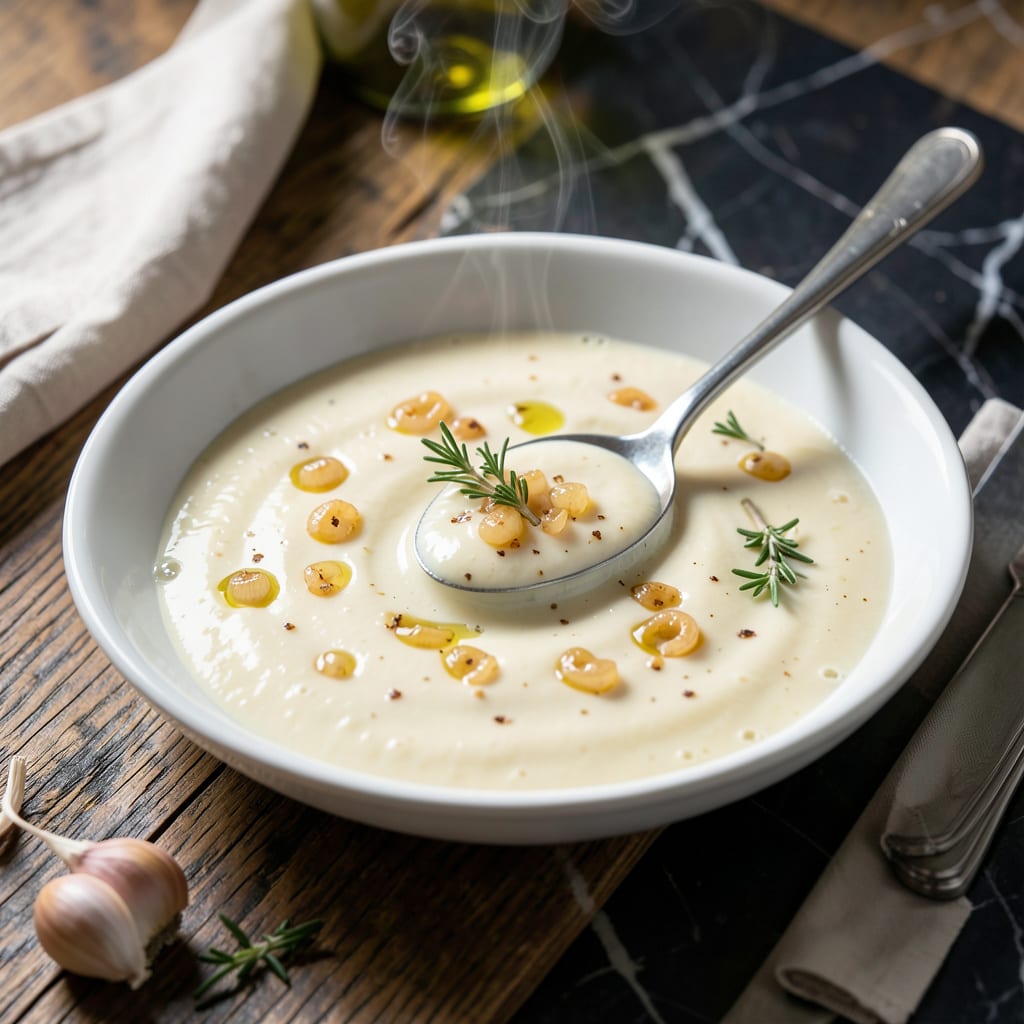
This velvety white wine reduction transforms simple dishes into restaurant-quality creations. The secret lies in a precise balance of dry white wine, shallots, and butter, creating a smooth sauce with bright acidity.
Perfect for elevating seafood or chicken, this versatile sauce comes together in under 15 minutes. Its subtle complexity enhances without overpowering, making it a professional chef’s staple for home cooks.
Ingredients for White Wine Sauce
Ten quality ingredients create this elegant sauce with bright, balanced depth.
| Ingredient | Amount | Notes |
|---|---|---|
| Dry White Wine 🍷 | 1 ½ cups | Sauvignon Blanc or Pinot Grigio recommended |
| Shallots 🧅 | ½ cup | Finely minced for even distribution |
| Unsalted Butter 🧈 | ¾ cup | Cold, cut into small cubes |
| Heavy Cream 🥛 | ½ cup | Full-fat for velvety texture |
| Chicken Stock 🍲 | ½ cup | Low-sodium preferred to control seasoning |
| Garlic Cloves 🧄 | 2 cloves | Minced for aromatic base |
| Dijon Mustard 🟡 | 1 tbsp | Smooth, not whole grain |
| Fresh Lemon Juice 🍋 | 1 tbsp | Brightens acidity at the end |
| Kosher Salt 🧂 | ½ tsp | Diamond Crystal brand preferred |
| White Pepper 🌶️ | ¼ tsp | Freshly ground for subtle heat |
The wine is critical here. Sauvignon Blanc or Pinot Grigio provide the ideal acidity and fruit notes. Avoid oaky Chardonnays—they’ll clash with the delicate balance. Whole Foods or Total Wine have solid options in the $10-15 range. Shallots should be firm with dry skins; if they’re sprouting or soft, they’ve passed their prime. The butter must be European-style for higher fat content and superior mouthfeel.
No white wine? Dry vermouth at a 1:1 ratio works in a pinch. Shallots can be replaced with yellow onions at half the volume, though the flavor profile will shift slightly. Heavy cream substitutes include full-fat coconut milk for a dairy-free version, but the taste will differ. For the stock, vegetable stock can be used, though chicken stock provides a more traditional depth.
This sauce is best used fresh but keeps in the fridge for 3 days. Reheat gently over low heat, stirring constantly to prevent separation. For longer storage, freeze for up to 3 months. Always whisk in a splash of water or stock when reheating to restore its velvety consistency.
Why You’ll Love This Recipe
- Five Ingredient Magic: I love that this sauce comes together with just wine, shallots, butter, cream, and stock—no fuss, no long grocery lists.
- Rich and Velvety: The combo of butter and heavy cream creates this luxurious texture that clings to pasta or chicken like a dream.
- Dinner Party Ready: I’ve served this over scallops for guests and over weeknight chicken for my kids—both times, it disappeared fast.
- Stretches Further: Honestly, I double the batch and freeze half—it reheats beautifully for a quick gourmet touch later.
Step-by-Step Instructions for White Wine Sauce
Master this classic technique for a rich, balanced sauce that elevates any dish.
Step 1: Sauté Aromatics in Butter
Melt 0.75 cup Unsalted Butter in a saucepan over medium heat. Add 0.5 cup Shallots and cook for 4-5 minutes, stirring frequently, until they soften and become translucent with just a hint of golden color at the edges.
Add 2 cloves Garlic Cloves and cook for 30 seconds until fragrant. Be careful not to let the garlic brown—this would introduce bitterness. The shallots and garlic form the aromatic foundation for your sauce, so proper cooking at this stage ensures depth of flavor.
Step 2: Deglaze with Wine and Reduce
Pour in 1.5 cups Dry White Wine and increase heat to medium-high. Using a wooden spoon, scrape up any browned bits from the bottom of the pan as the wine begins to simmer. This deglazing step incorporates all the flavorful fond into your sauce.
Allow the mixture to simmer vigorously for 8-10 minutes until the liquid reduces by about half. You’ll notice the sharp alcohol smell dissipating as the wine cooks down, leaving behind a concentrated base for your sauce. The reduced wine should coat the back of a spoon lightly.
Step 3: Incorporate Cream and Stock
Reduce heat to medium and add 0.5 cup Heavy Cream and 0.5 cup Chicken Stock. Stir to combine, then add 1 tbsp Dijon Mustard. The mustard will emulsify the sauce slightly and add a subtle tang.
Simmer for 5-7 minutes until the sauce thickens enough to coat the back of a spoon. The sauce should have a velvety texture and a glossy appearance. Watch for small bubbles at the edges—this indicates the proper simmering temperature.
Step 4: Finish with Seasonings and Lemon
Remove the saucepan from heat and stir in 0.5 tsp Kosher Salt and 0.25 tsp White Pepper. Seasoning off heat prevents the sauce from reducing too quickly and becoming overly salty. Taste and adjust seasoning if needed.
Finally, stir in 1 tbsp Fresh Lemon Juice. The acidity brightens all the flavors and balances the richness of the cream and butter. The sauce should now have a harmonious blend of savory, tangy, and slightly sweet notes.
Use the sauce immediately for the best texture and flavor, or keep warm over low heat for up to 30 minutes, stirring occasionally. The sauce will continue to thicken slightly as it cools.
Pro Tips For Making White Wine Sauce
- Reduce the Wine First: Simmer the white wine by half before adding other liquids—this burns off the harsh alcohol and concentrates the flavor. I learned this the hard way after serving a sauce that tasted raw and boozy.
- Fine Dice the Shallots: Chop shallots into tiny, even pieces so they melt into the sauce rather than float as chunky bits. Sounds tedious, but it actually changes the texture of the final dish.
- Skip Boiling the Cream: Add heavy cream off the heat or at a gentle simmer, or it can separate and turn grainy. After ruining a batch this way, I now pull the pan off the burner first.
- Finish with Cold Butter: Swirl in cold, cubed unsalted butter at the end for a silky, glossy finish. My grandmother swore by this, and she was right: warm butter just melts into the sauce without adding that rich body.
Serving Suggestions for white wine sauce
Plating Techniques
Drizzle this sauce artfully over seared scallops or poached salmon using a spoon to create elegant swirls. I love using a squeeze bottle for more precision, especially when serving guests. The sauce’s glossy texture photographs beautifully. 💫
Garnishing Ideas
Finish with fresh herbs like chopped chives or parsley for color contrast. A sprinkle of lemon zest adds brightness that complements the sauce’s acidity. For extra flair, add edible flowers or microgreens on special occasions.
Side Pairings
Serve with roasted asparagus or steamed green beans to balance the richness. The sauce also pairs wonderfully with mashed potatoes or risotto. I often add a side of crusty bread to soak up every last drop.
Temperature Control
Always serve this sauce warm, never hot. The ideal serving temperature is around 140-150°F. If it’s too hot, it can overwhelm delicate proteins. I keep mine in a small fondue pot on a warming tray for buffet-style serving.
Portion Sizes
For a main course, I recommend ¼ cup sauce per serving over proteins. For appetizers like shrimp cocktails, 1-2 tablespoons per piece provides adequate flavor without pooling. The sauce is rich, so a little goes a long way. ✨
Dietary Notes
For gluten-free guests, ensure your wine is certified gluten-free. The sauce is naturally low-carb and keto-friendly when served in moderation. I always label this dish as containing dairy for allergy awareness.
Nutrition Facts
Frequently Asked Questions
Can I use a sweet white wine instead?
No, dry white wine is essential for balance. Sweet wines will make your sauce cloying and overpower the other flavors. Stick with Sauvignon Blanc or Pinot Grigio for best results.
Why does my sauce look separated?
This usually happens if the heat is too high or the butter was added too quickly. Remove from heat and whisk vigorously to re-emulsify. If needed, add 1 teaspoon of cold water while whisking.
How can I make this dairy-free?
Swap butter for olive oil and replace heavy cream with full-fat coconut milk. The flavor will differ slightly but still be delicious.
Can I prepare this sauce ahead of time?
Yes, but it’s best used within 3 days. Store in an airtight container and reheat gently over low heat, stirring constantly.

- BBQ Sausage Recipe Oven: Smoky Depth Without the Grill - September 28, 2026
- BBQ Chicken Bowl Recipe Rice: Smoky Sweetness Over Fluffy Grains - September 28, 2026
- Beef Cutlet Recipe Ideas: Crispy Breaded Patties With Bold Seasonings - September 28, 2026