
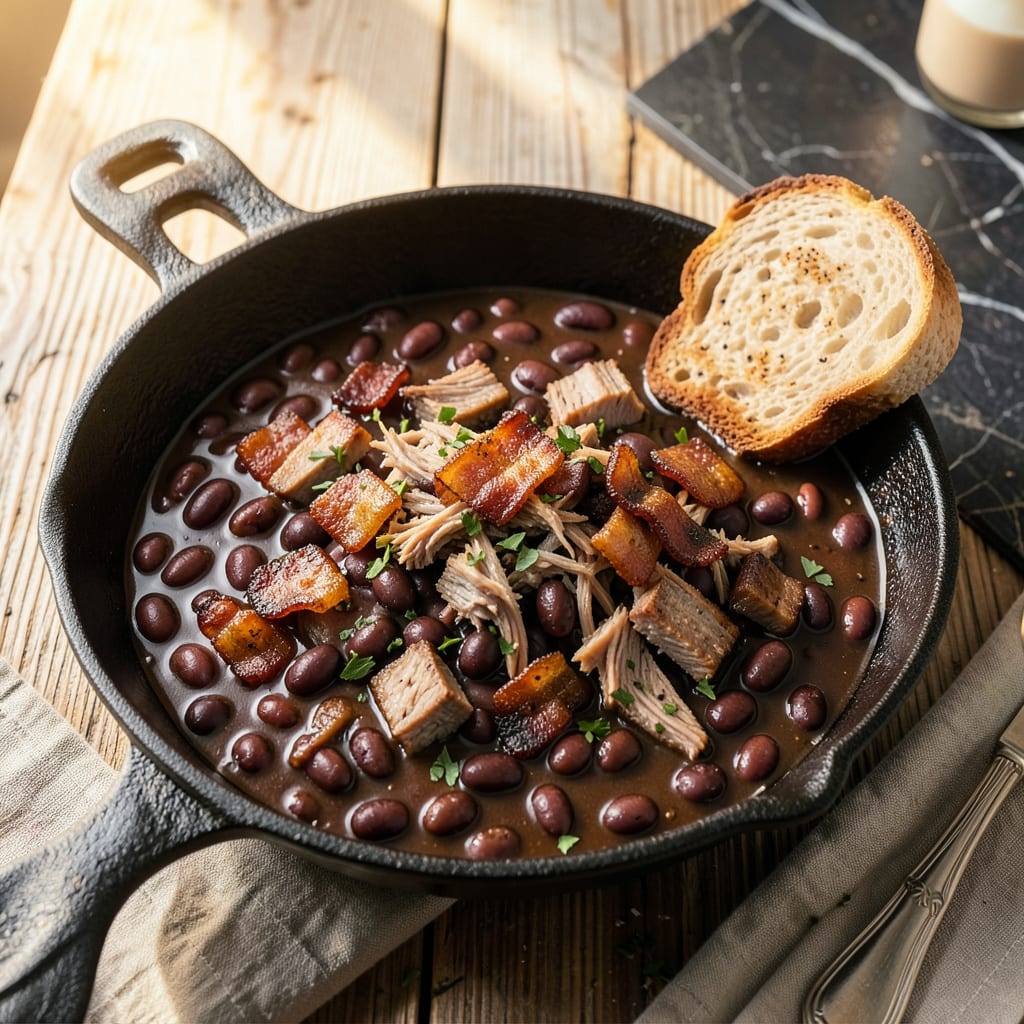
Baked beans originated with Native American tribes who slow-cooked beans with maple syrup and bear fat. European settlers later adapted the dish using molasses and pork, creating the version popularized in New England colonies by the 17th century.
This dish represents a fascinating culinary fusion where two food traditions collided and transformed. 🔥 Indigenous communities perfected slow-cooking techniques using clay pots and underground pits, which gave the beans their signature tender texture. When colonists arrived, they substituted local ingredients like maple syrup with European staples such as molasses, while incorporating salt pork for richness. The result became a staple at community gatherings and religious events, cementing its place in early American food culture.
The evolution didn’t stop there—regional variations emerged as the dish spread. New England versions often included brown sugar for sweetness, while Southern adaptations incorporated smoked meats for depth. What began as a survival food became a beloved comfort dish that still graces tables today, from backyard barbecues to holiday feasts.
💡 In This Article
- Native American Roots of Baked Beans Preparation
- Colonial Adaptations and Modern Baked Beans Variations
Native American Roots of Baked Beans Preparation
The original baked beans recipe emerged from Indigenous cooking techniques that maximized flavor and nutrition from limited resources. Tribes like the Iroquois and Algonquian used clay pots or earthen pits lined with heated stones to slow-cook beans for 8-12 hours at low temperatures.
This method broke down the beans’ tough fibers while preserving their natural starches, creating a creamy texture without modern equipment. 🔥
Wild beans—particularly varieties like the scarlet runner or kidney bean—were combined with rendered animal fats (often bear or venison) and sweetened with maple syrup or wild honey. The fat-to-sugar ratio was carefully balanced: about 1 part fat to 2 parts sweetener, which prevented burning during the long cook time.
Smoking the beans with hardwoods like hickory added depth while acting as a natural preservative.
These preparations weren’t just about sustenance—they held cultural significance. Beans were one of the “Three Sisters” (alongside corn and squash) in Indigenous agriculture, and communal bean dishes often marked harvest celebrations or diplomatic gatherings. The slow-cooking process itself became a social event, with tribes using the time to share stories and reinforce community bonds.
The science behind this method is remarkable. The prolonged heat (200-250°F range) allowed pectin in the beans to gradually dissolve, while the alkaline minerals from the clay pots helped soften the skins. This created a dish that was both hearty and digestible—critical for survival during harsh winters.
Modern recreations using Dutch ovens can approximate this effect by maintaining steady, indirect heat.
What’s fascinating is how these techniques addressed practical challenges. Without metal pots, Indigenous cooks relied on birch bark containers or animal bladders for portable cooking. The beans’ high protein content (about 22g per cup) made them a vital energy source, while the slow cooking made them safer to digest by reducing anti-nutrients like phytic acid.
This foundational method explains why baked beans became such an adaptable dish. The core principle—slow cooking beans with fat and sweetness—created a template that could accommodate whatever ingredients were available. When European settlers arrived, they recognized the genius of this approach and simply substituted their own familiar flavors. ✨

- BBQ Sausage Recipe Oven: Smoky Depth Without the Grill - September 28, 2026
- BBQ Chicken Bowl Recipe Rice: Smoky Sweetness Over Fluffy Grains - September 28, 2026
- Beef Cutlet Recipe Ideas: Crispy Breaded Patties With Bold Seasonings - September 28, 2026