
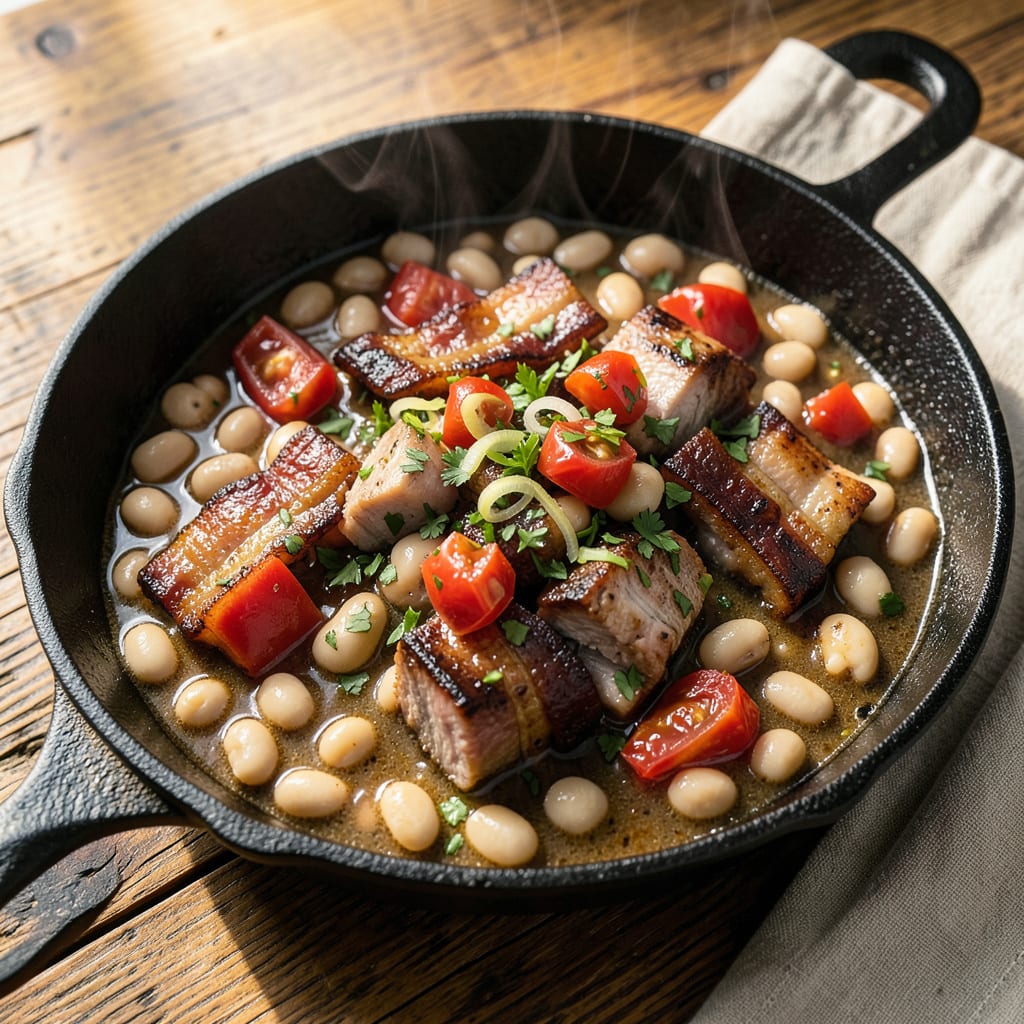
The classic baked beans recipe is most famously associated with Native American traditions, later adapted by early American colonists using molasses and pork. Modern versions evolved through regional influences and commercial brands like Heinz.
This dish represents a fascinating culinary fusion where Indigenous cooking methods met European ingredients. 🔥 The Native American technique of slow-cooking beans with wild game in clay pots was transformed when colonists introduced molasses and pork belly—creating the sweet-savory profile we recognize today. What’s particularly interesting is how industrialization in the 19th century turned this homestyle dish into a canned staple, with brands like Heinz standardizing the recipe while regional variations kept evolving in home kitchens.
The colonial adaptation wasn’t just about ingredients—it reflected cultural exchange and necessity. Early settlers relied on Native American knowledge of bean cultivation and preservation, while adding their own pantry staples. This cross-cultural collaboration explains why baked beans became such an enduring comfort food, bridging traditions across centuries. ✨
💡 In This Article
- Historical Roots of the Classic Baked Beans Recipe
- Top 3 Must-Try Baked Beans Recipes Today
Historical Roots of the Classic Baked Beans Recipe
The journey begins with Native American tribes who perfected slow-cooking techniques using clay pots and underground pits. They combined native beans with wild game like venison and bear fat, creating a protein-rich dish that could sustain communities through harsh winters.
The Narragansett and Penobscot tribes were particularly known for their bean dishes, often sweetening them with maple syrup or wild honey—long before European settlers arrived with their own ingredients. 🔥
When colonists arrived in the 17th century, they adapted these methods using what they had: molasses (a byproduct of sugar refining), salt pork, and brown sugar. The iconic Boston baked beans emerged from this fusion, where Puritan settlers would slow-bake beans with molasses for up to 8-12 hours in brick ovens.
This wasn’t just about flavor—it was practicality. The long cooking time made the beans more digestible and preserved them longer, crucial for survival during New England’s cold months. ✨
The industrial revolution transformed baked beans from a homestead staple to a commercial product. In 1895, H.J. Heinz Company began canning baked beans, standardizing the recipe with navy beans, tomato sauce, and pork. This mass production made the dish accessible nationwide, though regional variations persisted.
Southern states added brown sugar and mustard, while Pennsylvania Dutch communities incorporated smoked ham hocks for deeper flavor. 💫
What’s fascinating is how the recipe evolved with technology. Early colonial versions required constant tending of brick ovens, while 19th-century cast iron bean pots allowed for more even heat distribution.
By the 1920s, home economists promoted baked beans as an economical protein source during the Great Depression, publishing recipes that used 1/4 cup molasses per pound of beans—a ratio still popular today. The dish became a symbol of American ingenuity, blending Indigenous wisdom with immigrant adaptations. ⚡
Even the beans themselves tell a story of adaptation. Native Americans originally used varieties like the Jacob’s Cattle bean (with its distinctive spotted pattern), while colonists introduced navy beans and soldier beans.
The choice of bean affected cooking times—navy beans required 6-8 hours of soaking before baking, while the smaller soldier beans could be ready in 4-5 hours. This practical knowledge was passed down through generations, with each family adding their own twist to the foundational recipe. 🌟
Today’s baked beans reflect this layered history. The sweet-savory balance comes from Native American maple syrup traditions meeting colonial molasses, while the smoky depth originates from European smoking techniques applied to pork. Even modern shortcuts—like using canned beans or liquid smoke—echo this legacy of adaptation.
The next time you enjoy a bowl, you’re tasting centuries of culinary evolution in every bite. 💛

- BBQ Sausage Recipe Oven: Smoky Depth Without the Grill - September 28, 2026
- BBQ Chicken Bowl Recipe Rice: Smoky Sweetness Over Fluffy Grains - September 28, 2026
- Beef Cutlet Recipe Ideas: Crispy Breaded Patties With Bold Seasonings - September 28, 2026