
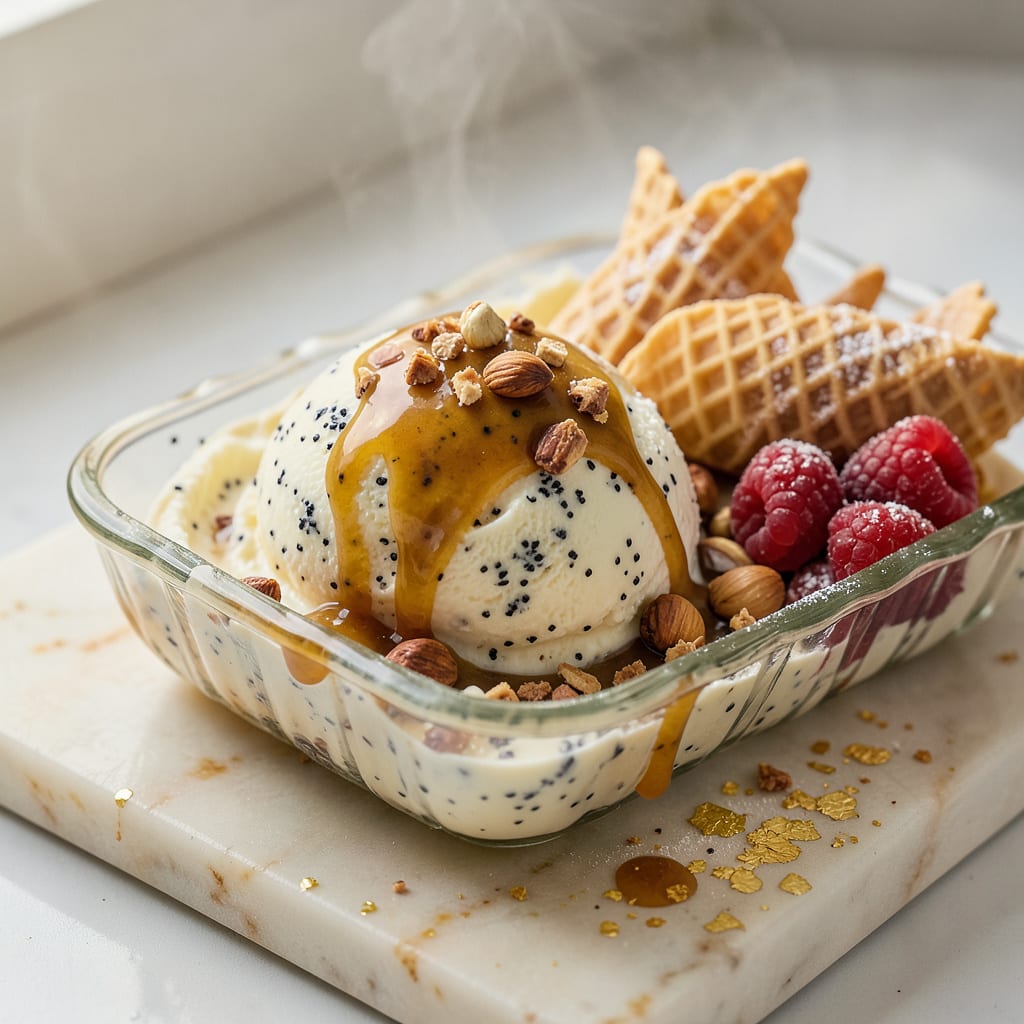
A Whynter ice cream maker lets you create creamy homemade ice cream in 30-60 minutes using simple ingredients like heavy cream, milk, sugar, and flavorings. Pre-chill the bowl for best results before adding your mixture.
The beauty of this machine lies in its compressor-based system, which eliminates the need for pre-freezing like traditional models. ✨ I love how it maintains a consistent -10°F temperature throughout churning, preventing those annoying ice crystals that ruin texture. This means you can go from mixing ingredients to serving fresh ice cream in under an hour—perfect for spontaneous dessert cravings or last-minute dinner parties.
What sets Whynter apart is its versatility with ingredient ratios. 💫 Whether you’re making rich custard-based flavors or lighter fruit sorbets, the machine handles everything from 16% butterfat premium mixes to dairy-free alternatives with equal finesse. The secret is in the paddle design that scrapes the bowl continuously, incorporating air for that perfect creamy consistency.
💡 In This Article
- How Whynter Ice Cream Makers Transform Ingredients
- Top 5 Must-Try Whynter Ice Cream Maker Recipes
How Whynter Ice Cream Makers Transform Ingredients
The magic happens through the machine’s built-in compressor system that maintains a steady -10°F to -20°F temperature range. Unlike traditional ice cream makers that require pre-frozen bowls, Whynter’s compressor actively circulates refrigerant through copper coils wrapped around the mixing bowl.
This creates what engineers call a “dynamic freezing environment” where the mixture freezes evenly from all sides while being constantly agitated. 🔥
What you’re actually tasting is the result of controlled crystallization. The machine’s paddle rotates at 60-80 RPM, scraping the forming ice crystals from the bowl walls and breaking them into microscopic particles.
This constant motion prevents large ice crystals from forming (which would make the texture grainy) while incorporating just the right amount of air—typically 20-30% overrun—for that perfect creamy mouthfeel. Compare this to hand-cranked makers where inconsistent speeds often lead to either soupy results or rock-hard ice cream.
The pre-chilling recommendation isn’t just about temperature—it’s about thermal equilibrium. When you add room-temperature ingredients to a cold bowl, the temperature differential causes rapid freezing at the edges while the center remains liquid. This creates uneven texture.
💫 By starting with all components (bowl, mixture, paddle) at 40°F or below, you ensure uniform freezing throughout the 20-40 minute churning process.
Here’s what most people miss: the machine actually works harder during the first 10 minutes as it brings the mixture down from 40°F to 20°F. This is when the sugar concentration becomes critical.
A standard recipe with 15-18% sugar (about 3/4 cup per quart) lowers the freezing point just enough to create that ideal soft-serve consistency. Too little sugar and you’ll get icy results; too much and it won’t set properly.
The compressor system also handles fat content variations beautifully. For custard bases with 14-18% butterfat (using egg yolks and heavy cream), the machine maintains enough agitation to prevent fat separation. Even with leaner mixtures like sorbets (0% fat), the rapid freezing and scraping action creates surprisingly smooth results.
This versatility explains why professional pastry chefs often prefer compressor models for testing new flavor profiles.
Pro tip: The last 5 minutes of churning are when the magic really happens. 🌟 This is when the mixture reaches its “soft-serve” stage (about 18°F) and the machine is incorporating the maximum amount of air.
For firmer ice cream, transfer to a lidded container and freeze for 2-4 hours—this allows the stabilizers (like guar gum or carrageenan in some recipes) to fully activate and bind the water molecules.

- BBQ Sausage Recipe Oven: Smoky Depth Without the Grill - September 28, 2026
- BBQ Chicken Bowl Recipe Rice: Smoky Sweetness Over Fluffy Grains - September 28, 2026
- Beef Cutlet Recipe Ideas: Crispy Breaded Patties With Bold Seasonings - September 28, 2026