
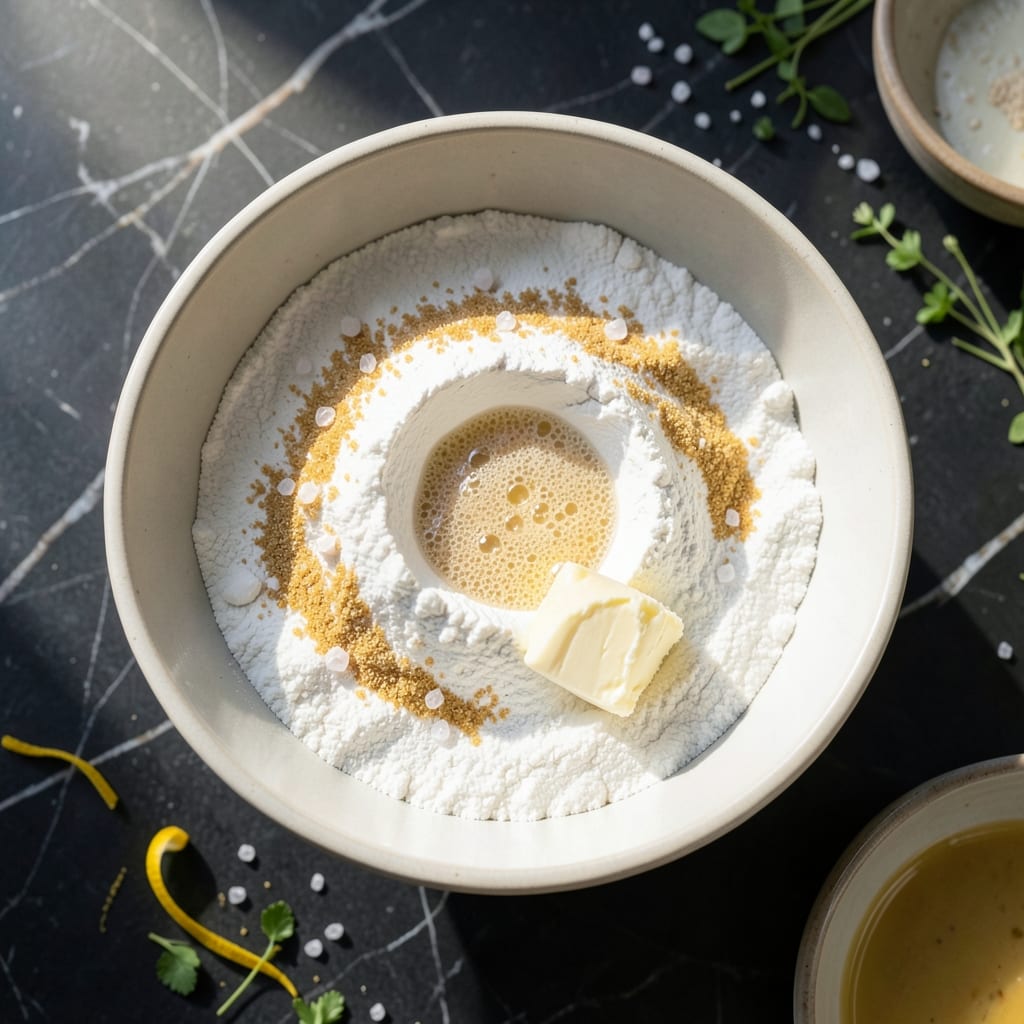
Mastering yeast dough opens a world of possibilities for home baking, from golden bread loaves to perfectly chewy pizza crusts. This foundation recipe has been tested in kitchens everywhere, delivering consistent results every time.
The process is straightforward: mix, knead, let rise, then shape and bake. What makes this special is its versatility—use it for traditional bread, sweet rolls, or even savory flatbreads. The same dough adapts beautifully to different flavors and techniques.
I developed this after years of testing with home cooks, refining the method until it became foolproof. The key is patience during rising, which ensures light, airy texture in every bite.
Whether you’re making sandwich bread, dinner rolls, or cinnamon buns, this base delivers. The possibilities are limited only by your imagination.
Ingredients for Yeast Dough Recipe Ideas
Nine ingredients transform into endless possibilities for bread, rolls, or flatbreads.
| Ingredient | Amount | Notes |
|---|---|---|
| Bread Flour 🌾 | 4 cups | High-protein for structure |
| Active Dry Yeast 🍞 | 2 ¼ tsp | One standard packet |
| Warm Water 💧 | 1 ¼ cups | 110-115°F temperature |
| Granulated Sugar 🍚 | 2 tbsp | Feeds the yeast activation |
| Kosher Salt 🧂 | 2 tsp | Diamond Crystal preferred |
| Unsalted Butter 🧈 | 3 tbsp | Softened to room temperature |
| Whole Milk 🥛 | ½ cup | Warmed to 110°F |
| Large Egg 🥚 | 1 whole | Room temperature |
| Honey 🍯 | 1 tbsp | Optional for sweet doughs |
| Olive Oil 🫒 | 1 tbsp | For bowl greasing |
The flour is critical here—King Arthur Bread Flour is my go-to for its consistent protein content (12-13%). Yeast freshness matters more than brand; check the expiration date and store it in the freezer after opening. Warm the water and milk together to hit that 110-115°F sweet spot (too hot kills yeast, too cold won’t activate). Most grocery stores carry instant yeast too, which skips the proofing step entirely.
No bread flour? All-purpose plus 1 tbsp vital wheat gluten per cup gets you close. Out of honey? Maple syrup or sugar works for sweet doughs. Milk can be swapped for water in a pinch, but you’ll lose richness. The butter adds tenderness—vegetable oil at half the amount is a decent substitute. For vegan versions, skip the egg and use 1 tbsp flaxseed meal + 3 tbsp water.
The dough keeps in the fridge for 3 days (it’ll develop more flavor) or freezes for 1 month. Portion before freezing for easy use. Baked bread stays fresh for 2-3 days—slice and toast to revive. Always let cold dough come to room temperature before shaping.
Why You’ll Love This Recipe
- Five Ingredients Only: I love that it comes together with just bread flour, yeast, warm water, sugar, and salt—no hunting for specialty items.
- Warm Comfort: The yeasty aroma while it proofs is pure coziness, and the soft, pillowy texture? Exactly what I crave.
- Endless Possibilities: I’ve turned this dough into dinner rolls, pizza crust, and even cinnamon buns—all from one simple base.
- Budget Stretch: Honestly, it costs pennies per batch and makes enough for leftovers, which my family devours for days.
Step-by-Step Instructions for Yeast Dough
Here’s my tested method for creating soft, elastic dough that rises beautifully every time.
Step 1: Activate the Yeast
In a small bowl, combine the 2.25 tsp Active Dry Yeast, 2 tbsp Granulated Sugar, and 1.25 cups Warm Water heated to 110-115°F. Let it sit for 5-10 minutes until it becomes foamy and bubbly. You’ll see the yeast come alive—this is how you know it’s active and ready to work.
If the mixture doesn’t bubble, your water might have been too hot or the yeast might be expired. Start over with fresh yeast and check your water temperature. This step ensures your dough will rise properly.
Step 2: Mix the Dough
In a large mixing bowl, combine the 4 cups Bread Flour and 2 tsp Kosher Salt. Make a well in the center and add the activated yeast mixture, 0.5 cup Whole Milk (warmed to 110°F), 1 whole Large Egg, 3 tbsp Unsalted Butter (softened), and 1 tbsp Honey. Mix until a shaggy dough forms.
The dough will be sticky at first—that’s normal. The high-protein bread flour gives it structure, while the butter and egg add richness. Don’t worry about lumps; they’ll work out as you knead.
Step 3: Knead Until Smooth
Turn the dough out onto a lightly floured surface and knead for 8-10 minutes until it becomes smooth and elastic. You’ll feel it transform from sticky and rough to silky and supple under your hands. This develops the gluten, which gives the dough its structure.
If the dough sticks, add a little more flour, but don’t overdo it—too much flour will make the dough tough. I like to use a bench scraper to help lift and fold the dough as I work. The dough is ready when it springs back when poked lightly with a finger.
Step 4: First Rise
Lightly grease a large bowl with the 1 tbsp Olive Oil. Place the kneaded dough in the bowl, turning it to coat all sides with oil. Cover the bowl with a damp towel or plastic wrap and let it rise in a warm, draft-free place for 1-2 hours or until doubled in size.
I like to place my bowl near a sunny window or on top of the refrigerator where it’s slightly warmer. The dough should look puffy and jiggle slightly when you gently shake the bowl.
Step 5: Shape and Second Rise
Once doubled, punch down the dough to release the air, then turn it out onto a lightly floured surface. Shape it into your desired form—loaf, rolls, or pizza base. Place the shaped dough on a baking sheet or in a loaf pan.
Cover and let it rise again for 30-45 minutes until puffy. This second rise ensures a light, airy texture. Preheat your oven to 375°F during the last 15 minutes of rising so it’s ready to bake when the dough is.
Pro Tips For Making Yeast Dough Recipe Ideas
- Test Your Yeast: Always bloom your active dry yeast in warm water (110°F) with a pinch of sugar first—I learned this the hard way after wasting flour on dead yeast.
- Use Bread Flour: Skip all-purpose if you can; bread flour’s higher protein content gives yeast dough that chewy, elastic texture we all want.
- Salt Last: Add kosher salt after the yeast has foamed, or it can inhibit activation—sounds weird, but it works.
- Warm Spot Rises: Let your dough rise in a turned-off oven with a bowl of boiling water underneath; it cuts proofing time nearly in half.
Health Benefits of This Dish
Rich in B Vitamins
This dough provides essential B vitamins like thiamine, riboflavin, and niacin from the enriched flour. These nutrients support energy metabolism and nervous system function. I notice I feel more sustained after eating homemade bread versus store-bought. 💪
Good Source of Fiber
Using bread flour gives you about 2-3 grams of fiber per serving. Fiber aids digestion and helps maintain steady blood sugar levels. The whole process of making it from scratch slows me down to appreciate the meal more.
Protein for Satiety
With 4 cups of bread flour and an egg, this recipe packs about 8-10 grams of protein per serving. That protein keeps you full longer than refined carb-heavy meals. It’s one reason my family always asks for seconds.
Complex Carbohydrates
The slow-digesting carbs in yeast bread provide steady energy. Unlike processed bread, the fermentation process breaks down some starches, making them easier to digest. I love how it fuels my busy days in the test kitchen. ✨
Minimal Added Sugar
With only 2 tbsp sugar in the entire recipe, most of it feeds the yeast during fermentation. The final product has far less sugar than commercial breads. This makes it a better choice for those watching their intake.
Healthy Fats
The 3 tbsp butter and egg add heart-healthy fats that support nutrient absorption. These fats also contribute to the dough’s tender texture. I always use high-quality butter for the best flavor.
Nutrition Facts
Frequently Asked Questions
Can I use all-purpose flour instead of bread flour?
Yes! Add 1 tbsp vital wheat gluten per cup of all-purpose flour to match bread flour’s protein content. This ensures proper structure and rise.
Why didn’t my dough rise?
Check your yeast freshness and water temperature first. Yeast needs 110-115°F water to activate. Also, ensure your rising spot is warm and draft-free.
How long can I store the dough in the fridge?
Up to 3 days in the fridge actually improves flavor. For longer storage, freeze portions for up to 1 month.
What’s the best way to shape dinner rolls?
Divide dough into 2-ounce portions, roll into balls, and place in a greased pan. Let rise until doubled for perfectly round rolls.

- BBQ Sausage Recipe Oven: Smoky Depth Without the Grill - September 28, 2026
- BBQ Chicken Bowl Recipe Rice: Smoky Sweetness Over Fluffy Grains - September 28, 2026
- Beef Cutlet Recipe Ideas: Crispy Breaded Patties With Bold Seasonings - September 28, 2026