
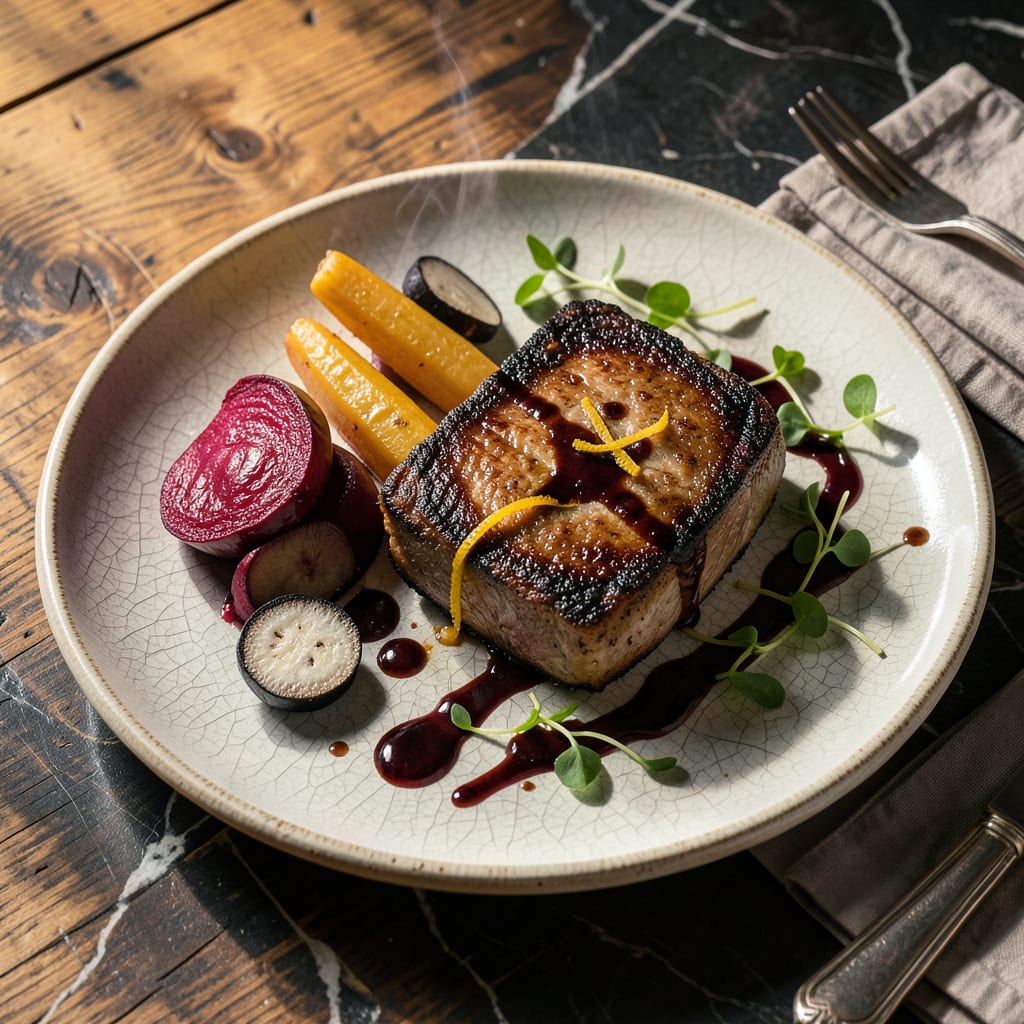
Recipes are tested for balance, texture, and flavor—deviating risks failed results. Precision matters in baking and complex dishes where chemistry and timing are critical. Trust the process before improvising.
I get it—creativity in the kitchen is exciting, but there’s a reason professional recipes read like lab instructions. 🔥 Behind every 1/2 teaspoon of baking soda or 375°F oven setting are countless test batches where someone already made the mistakes for you. Think of recipes as roadmaps: you wouldn’t ignore highway signs because you feel like taking a shortcut, right? The same logic applies when your soufflé’s rise or your caramel’s consistency depends on exact conditions.
What most home cooks overlook is how small changes create ripple effects. Swapping all-purpose flour for whole wheat might seem harmless until your cookies spread like pancakes. Even “minor” tweaks—like adding extra garlic or skipping the 30-minute marinade—can throw off the intended harmony of flavors. That’s why I always suggest mastering the original version first, then experimenting informed by that foundation. ✨
💡 In This Article
- The Science Behind Why Recipes Demand Precision
- When (and How) to Safely Adapt a Recipe Without Ruining It
The Science Behind Why Recipes Demand Precision
Every recipe is essentially a chemical equation where ingredients react under specific conditions. Take baking soda, for example: when combined with acid (like buttermilk) and heat, it releases carbon dioxide at 180°F, creating those perfect air pockets in your pancakes.
Too much, and you’ll taste metallic bitterness; too little, and your baked goods become dense bricks. This isn’t opinion—it’s basic chemistry that’s been tested through dozens of failed batches before the recipe reached you.
The magic happens at the molecular level. Protein coagulation in eggs occurs between 144-158°F, transforming runny liquid into custard or fluffy meringue. Starch gelatinization in flour requires precise hydration—about 60% water by weight—to develop the right gluten structure.
Even something as simple as salt isn’t just for taste; it strengthens gluten networks in bread and lowers the freezing point in ice cream bases. These aren’t suggestions—they’re scientific thresholds that determine success or failure.
Professional recipe development involves what we call “gold standard testing.” A single recipe might undergo 20-50 iterations with minute adjustments to ingredient ratios, cook times, and techniques. We’re talking about side-by-side comparisons where the only variable is 1/8 teaspoon of cinnamon or 30 seconds of additional mixing.
The published version represents the one combination where all elements—texture, flavor, appearance—harmonize perfectly. When you alter that balance, you’re essentially rolling the dice with food science.
Consider sauce-making, where precision becomes an art form. A proper béchamel requires exactly 2 tablespoons of fat to 2 tablespoons of flour to create a roux that thickens 2 cups of milk without becoming gluey.
The timing matters too—cooking the roux for 2 minutes yields a blond base for mac and cheese, while 5 minutes creates a nutty brown foundation for gravy. These aren’t arbitrary numbers; they’re the result of understanding how heat transforms starches and proteins at different stages.
The testing process also accounts for human error. When a recipe calls for “room temperature butter”, it’s because we’ve measured how 65-68°F butter incorporates air differently than cold butter during creaming. That 10-minute rest time for cookie dough isn’t just downtime—it allows flour to fully hydrate and gluten to relax, preventing tough results.
Skipping these “optional” steps is like removing scaffolding before the concrete sets: the structure will collapse.
Even seemingly flexible recipes have hidden precision. A stir-fry’s “high heat” specification means 450-500°F in the wok—hot enough to sear proteins quickly without steaming them. The order of adding ingredients matters because different vegetables release moisture at different rates. Carrots take 2 minutes to blister; bell peppers need 30 seconds less.
These timings prevent a watery, soggy mess while preserving crisp-tender texture. 🔥
What separates good recipes from great ones is how they anticipate variables. That’s why professional recipes specify things like “large eggs” (about 50g each) or “sifted flour” (which can be 20% less dense than unsifted). We’ve already accounted for how humidity affects bread dough or how altitude changes boiling points.
When you substitute based on personal preference without understanding these underlying principles, you’re working against years of cumulative kitchen wisdom.

- BBQ Sausage Recipe Oven: Smoky Depth Without the Grill - September 28, 2026
- BBQ Chicken Bowl Recipe Rice: Smoky Sweetness Over Fluffy Grains - September 28, 2026
- Beef Cutlet Recipe Ideas: Crispy Breaded Patties With Bold Seasonings - September 28, 2026