
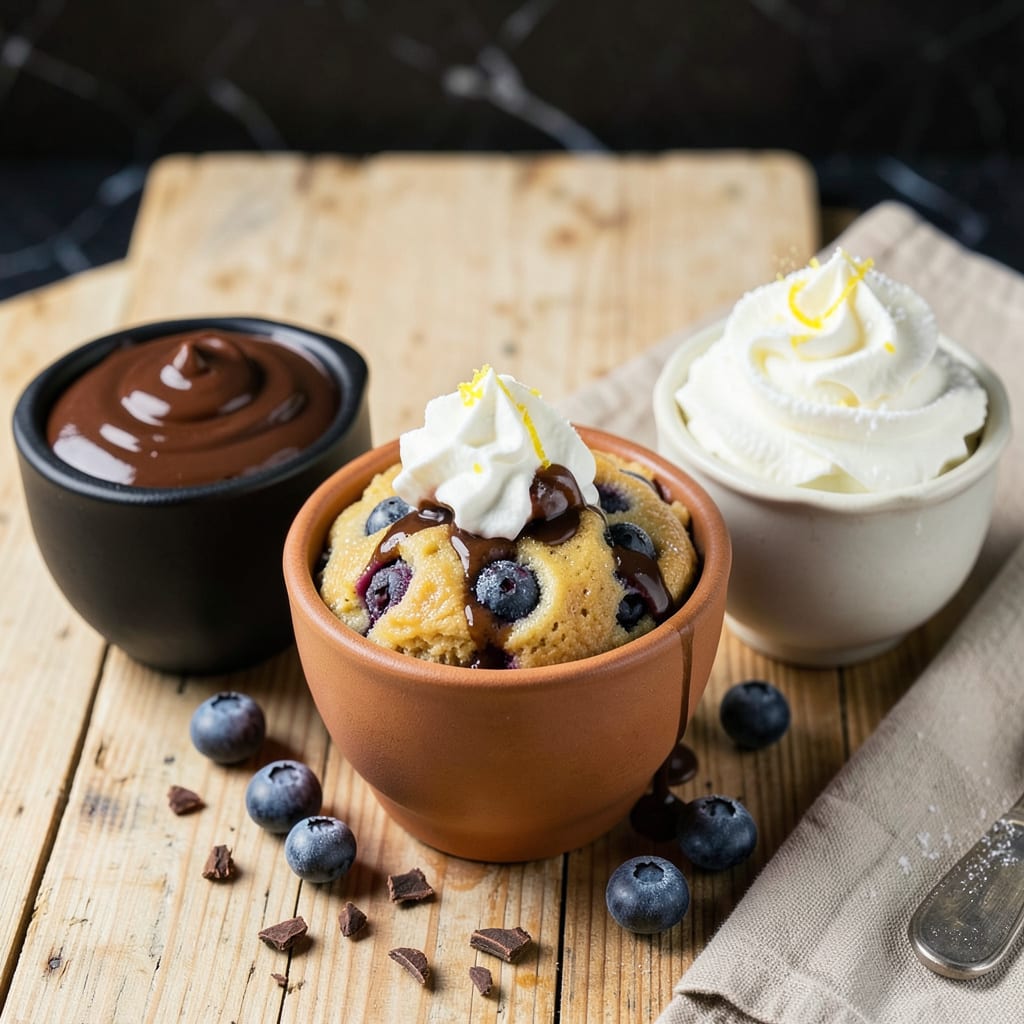
This classic 3-ingredient cake uses equal parts flour, sugar, and fruit (like crushed pineapple or applesauce) plus eggs for a moist, no-fuss dessert. Bake at 350°F for 30-40 minutes in a greased pan.
This foolproof formula has been a kitchen staple for generations because it eliminates the guesswork of traditional baking. 🔥 The beauty lies in its flexibility—you can swap in almost any fruit purée or canned fruit without compromising the cake’s tender crumb. I love how the natural sugars in the fruit caramelize during baking, creating a subtle golden crust while keeping the interior impossibly moist. It’s the perfect solution when you need a homemade dessert with minimal effort and maximum flavor.
What makes this recipe particularly genius is how the equal measurements create a self-balancing system. The flour provides just enough structure, while the fruit’s moisture prevents the cake from becoming dry. I’ve tested this with everything from pumpkin purée to peach pie filling—each variation delivers consistently delicious results. The 30-40 minute bake time at 350°F works universally, making it ideal for both novice bakers and experienced cooks looking for a quick treat.
💡 In This Article
- How the 1:1:1 Ratio Works in This Simple Cake
- Best Fruit Variations for Your Cup-a-Cup Cake
How the 1:1:1 Ratio Works in This Simple Cake
The magic of this recipe lies in its balanced chemistry. When you combine equal parts flour, sugar, and fruit purée, you create a perfect equilibrium: the flour provides gluten structure, the sugar caramelizes for sweetness and browning, and the fruit adds moisture while its natural pectin helps bind everything together.
This ratio ensures the cake has enough body from the flour, sufficient sweetness from the sugar, and built-in moisture from the fruit—eliminating the need for added fats like butter or oil. 🔥
Here’s what happens during baking: The sugar begins melting at 320°F, creating that signature golden crust while the fruit’s moisture converts to steam, keeping the interior tender. The eggs act as both leavening agent and emulsifier, helping the batter rise while preventing separation.
Unlike traditional cakes that rely on precise fat-to-flour ratios, this formula uses the fruit’s natural sugars and water content to achieve the same moist texture—typically around 25-30% moisture content in the final product.
What makes this ratio foolproof is its self-correcting nature. If your fruit is particularly juicy (like crushed pineapple), the extra moisture gets absorbed by the equal amount of flour. Conversely, drier fruits (like applesauce) benefit from the sugar’s hygroscopic properties, which attract and retain water molecules.
This built-in balance explains why the recipe works consistently with everything from pumpkin purée to mashed bananas—each cup of fruit brings its own unique moisture and sugar profile, but the equal measurements keep everything in harmony. ✨
The baking temperature of 350°F was chosen specifically to optimize this chemical dance. At this heat, the sugar caramelizes gradually while the eggs set properly, preventing that dreaded “soggy bottom” that plagues many fruit-based cakes.
The 30-40 minute bake time allows the center to reach 205-210°F—the ideal internal temperature for cakes—where the structure sets but the crumb remains tender. This precise balance is why you’ll never end up with a dry or dense result, no matter which fruit variation you choose.
Compare this to traditional cake recipes that require careful measurement of fats, liquids, and leavening agents. Here, the fruit serves multiple roles: it replaces both the fat (for moisture) and some of the liquid, while its natural acids (like malic acid in apples or citric acid in pineapple) help tenderize the gluten strands.
The result is a cake with about 1.5-2% fat content from the eggs alone—significantly lower than butter-based cakes—but with comparable richness due to the fruit’s natural emulsifiers. 🌟
This scientific harmony also explains the cake’s remarkable shelf life. The equal sugar content creates an environment where microbial growth is inhibited (sugar acts as a natural preservative), while the fruit’s acidity further extends freshness.
That’s why this cake stays moist and delicious for up to 5 days at room temperature—far longer than most homemade cakes that typically dry out within 48 hours.
Pro tip: The ratio even accounts for altitude adjustments automatically. At higher elevations where liquids evaporate faster, the fruit’s moisture compensates naturally, while the equal sugar helps stabilize the structure against collapse. This built-in flexibility is why generations of bakers—from sea level to mountain towns—have relied on this simple but brilliant formula. ⚡

- BBQ Sausage Recipe Oven: Smoky Depth Without the Grill - September 28, 2026
- BBQ Chicken Bowl Recipe Rice: Smoky Sweetness Over Fluffy Grains - September 28, 2026
- Beef Cutlet Recipe Ideas: Crispy Breaded Patties With Bold Seasonings - September 28, 2026