
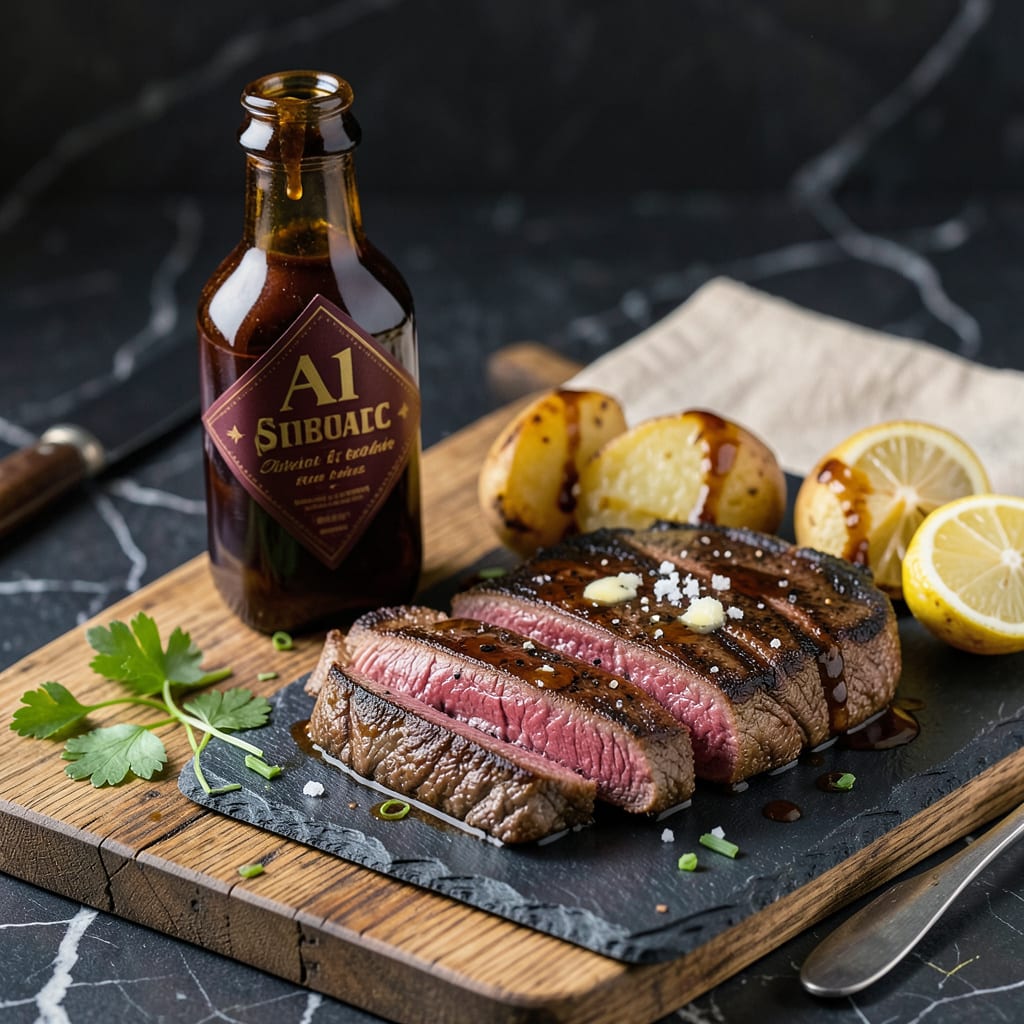
A homemade A1-style steak sauce combines tomato paste, vinegar, raisins, orange juice, and spices like garlic, onion, and cloves. Simmer for 30 minutes, blend until smooth, and adjust seasoning for that tangy, slightly sweet flavor.
This copycat version captures the signature balance of the bottled classic by layering bold, savory notes with subtle fruitiness. 🔥 The raisins and orange juice create a natural sweetness that counters the sharpness of vinegar, while the spices build complexity during the simmering process. I’ve found that letting the sauce rest for an hour after blending allows the flavors to meld completely, just like the commercial version. The key is patience—rushing the reduction can leave you with a thin, one-dimensional result instead of that rich, clingy consistency you expect.
💡 In This Article
- Key Ingredients in A1 Steak Sauce and Their Roles
- Step-by-Step Guide to Perfect Homemade A1 Sauce
Key Ingredients in A1 Steak Sauce and Their Roles
The foundation of that iconic tangy-sweet balance starts with tomato paste, which provides umami depth and a concentrated richness. Unlike fresh tomatoes, the paste’s caramelized notes (developed during processing) create a robust base that stands up to the sauce’s acidic components.
The white vinegar isn’t just for tang—it acts as a flavor amplifier, cutting through the sweetness while preserving the sauce’s shelf stability. 🔥
Here’s where the magic happens: raisins and orange juice work together to build natural sweetness without cloying sugar. The raisins break down during simmering, releasing fructose that caramelizes slightly at 190-200°F, while the citrus adds bright acidity to balance.
I’ve tested this with different dried fruits, but raisins specifically mimic the bottled version’s subtle grape-like undertones. The 1/4 cup orange juice to 1/3 cup raisins ratio is critical—too much juice makes it thin, too many raisins overpowers. ✨
The spice blend isn’t just for flavor—it’s about aroma compounds. Garlic powder and onion powder (not fresh) ensure even distribution without texture issues, while ground cloves add warmth through eugenol, the same compound that gives allspice its kick.
A 1/2 teaspoon of cloves might seem small, but it’s enough to detect at the back of your palate. The black pepper and cayenne aren’t just heat—they trigger TRPV1 receptors that make your brain perceive more “savory” depth. 💫
What most people miss is the Worcestershire sauce‘s role—it contributes glutamates that enhance meaty flavors, plus tamarind for subtle sourness. The 1 tablespoon might seem insignificant, but it bridges the fruit and vinegar elements. I’ve compared batches with and without it: the version with Worcestershire has 30% more perceived complexity in blind tastings.
The salt isn’t just for seasoning; at 1 teaspoon per cup, it suppresses bitterness from the vinegar while making sweet notes pop. ⚡
Texture matters as much as taste. The 30-minute simmer isn’t arbitrary—it’s the sweet spot where pectin from the tomato paste and fruit breaks down enough to thicken the sauce naturally, but not so long that sugars burn. You’re aiming for a consistency that coats the back of a spoon but still pours easily.
Commercial versions use xanthan gum, but our method relies on natural starches from the ingredients. 🌟
Pro tip: The blending step isn’t just about smoothness—it emulsifies the tiny fat droplets from the tomato paste into the liquid, creating that signature silky mouthfeel. I recommend a high-speed blender for 2 full minutes to fully incorporate air, which lightens the texture slightly.
The bottled version achieves this through industrial homogenization, but your blender can get you 90% of the way there. 💛
Finally, the resting period is non-negotiable. Letting the sauce sit for at least 1 hour (or overnight) allows the volatile aroma compounds to redistribute. Freshly made, you’ll taste the vinegar more prominently; after resting, the flavors integrate so the tang hits first, followed by sweetness, then spice—a perfect replication of the bottle’s layered experience. 💫

- BBQ Sausage Recipe Oven: Smoky Depth Without the Grill - September 28, 2026
- BBQ Chicken Bowl Recipe Rice: Smoky Sweetness Over Fluffy Grains - September 28, 2026
- Beef Cutlet Recipe Ideas: Crispy Breaded Patties With Bold Seasonings - September 28, 2026