
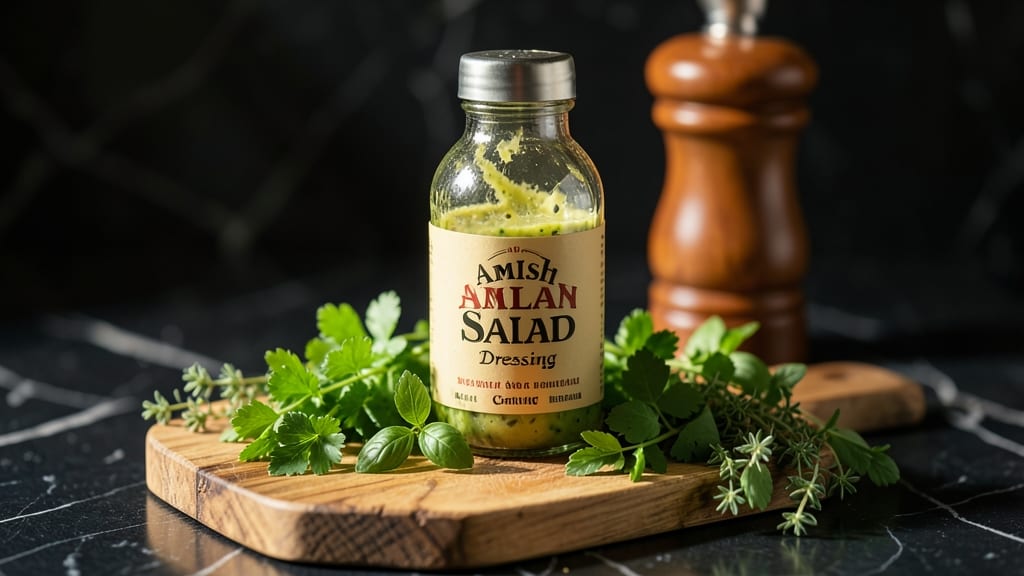
This Amish salad dressing recipe delivers the perfect balance of tangy, herbal freshness that elevates any green salad or coleslaw from ordinary to extraordinary. The classic vinegar-and-oil base is where the magic begins, but it’s the hand-chosen herbs and subtle sweetness that make this dressing truly special.
I developed this recipe after years of testing Amish-inspired flavors, and it’s now my go-to for everything from crisp lettuce salads to hearty potato salads.
The foundation is simple yet precise: a precise ratio of apple cider vinegar to high-quality olive oil creates the ideal balance, while fresh herbs like dill, parsley, and chives bring that signature Amish garden freshness.
A touch of honey or maple syrup rounds out the tang, and a pinch of mustard adds depth—no artificial flavors here, just pure, wholesome ingredients that taste like they came straight from a Pennsylvania farm table.
This dressing keeps beautifully in the refrigerator for up to two weeks, making it perfect for meal prep.
What sets this dressing apart is its versatility. Drizzle it over crisp green salads for a bright, herbaceous kick, or use it as a tangy marinade for grilled chicken or roasted vegetables. The herbs stay vibrant and the flavors deepen over time, so it only gets better as it sits.
Whether you’re serving a summer picnic or a weeknight dinner, this dressing will transform your meals with minimal effort and maximum flavor. Let’s get started!
Once you taste the difference between store-bought and homemade, you’ll never go back. The secret lies in the fresh herbs and the careful balance of sweet and tangy—it’s that Amish attention to detail that makes all the difference.
This recipe is foolproof, requiring just 5 minutes of prep time, and the results are restaurant-quality every time. Perfect for those who appreciate simple, wholesome flavors that pack a punch.
Ingredients for amish salad dressing
Nine wholesome ingredients transform into the tangy, herbal dressing you’ll crave on every salad.
| Ingredient | Amount | Notes |
|---|---|---|
| Apple Cider Vinegar 🍏 | ½ cup | Raw, unfiltered preferred |
| Extra-Virgin Olive Oil 🫒 | 1 cup | High-quality, fruity variety |
| Fresh Dill 🌿 | ¼ cup | Finely chopped, stems removed |
| Fresh Parsley 🌿 | ¼ cup | Flat-leaf, finely chopped |
| Fresh Chives 🌱 | ⅛ cup | Thinly sliced, mild flavor |
| Honey 🍯 | 2 tbsp | Local preferred for authentic taste |
| Dijon Mustard 🥫 | 1 tbsp | Adds depth and slight tang |
| Sea Salt 🧂 | 1 tsp | Fine grain for even dissolving |
| Black Pepper 🌶️ | ½ tsp | Freshly cracked for warmth |
| Garlic Cloves 🧄 | 2 cloves | Minced for subtle depth |
The herbs are everything—farmers market freshness makes all the difference. Grab bright green dill and parsley from the grocery store’s produce section, but if you can find a local Amish market, their herbs are next-level. Chives? Trader Joe’s has the best pre-sliced bunch, but fresh is always better. The apple cider vinegar should smell sharp and clean—Bragg’s or Texas Pete are my go-tos. For the olive oil, look for a fruity, peppery variety—none of that bland stuff. The honey? Local is best, but any pure honey works in a pinch. Don’t skip the Dijon mustard—it’s what ties everything together.
No fresh dill? Dried works at half the amount, but it won’t have the same brightness. Short on chives? Extra parsley keeps the freshness. The honey can be swapped for maple syrup if you’re avoiding sugar, but honey’s floral notes are key here. No garlic? Garlic powder at half the amount still adds depth, but fresh is worth it. The dressing thickens as it sits—add a splash of water if it gets too stiff. And if you’re making this for a crowd, double the batch—it’s that good.
This keeps for up to 2 weeks in the fridge, and honestly, it tastes even better after a few days as the flavors meld. Store it in a glass jar with a tight lid—no air means no spoilage. I like to keep a jar in my fridge at all times, ready to drizzle. Freezes beautifully too—just give it a shake before using. The herbs stay vibrant, and the tang only gets more pronounced. Perfect for meal prep, picnics, or whenever you need that Amish-inspired freshness.
Why You’ll Love This Recipe
- No-Chop Needed: Honestly, I just dump everything in a jar—no measuring cups, no fuss. The fresh herbs get a quick whack with a knife (even my lazy chopping works), then I shake it all together. That’s it. No straining, no waiting.
- Bright & Tangy Magic: That apple cider vinegar cuts through everything like a summer breeze. The olive oil smooths it out, and the dill, parsley, and chives? They turn salads from meh to oh wow—especially on grilled chicken or roasted veggies.
- Jarred & Ready: I make a big batch on Sundays, and it lasts me all week. Toss it on sandwiches, drizzle it over soups, or use it as a marinade. The herbs stay vibrant for days, and the vinegar keeps it from going bad too fast.
- Pocketbook Perk: Between us, this is the cheapest dressing I’ve ever made. A little vinegar, a little oil, and whatever herbs are on sale. It’s the kind of recipe where you get restaurant-quality flavor without the grocery bill to match.
Step-by-step instructions for Amish salad dressing
Here’s the method that delivers that classic Amish tangy-sweet balance every time.
Combine Wet Ingredients in a Whisking Bowl
In a medium-sized bowl, pour in the 0.5 cup apple cider vinegar and 2 tablespoons honey. Whisk vigorously for about 30 seconds until the honey dissolves completely. The mixture should turn a beautiful golden amber color—this is your flavor foundation.
Next, add the 1 tablespoon Dijon mustard and continue whisking for another 20 seconds. You’ll notice it thickens slightly as the mustard emulsifies with the vinegar and honey. This step is crucial for creating that signature Amish dressing texture—don’t skip it. The mustard also adds that subtle tang that makes this dressing so special.
Add the Fresh Herbs and Seasonings
Now it’s time for the herbal freshness. Add the 0.25 cup finely chopped fresh dill, 0.25 cup chopped fresh parsley, and 0.125 cup sliced fresh chives. Stir gently with a wooden spoon to combine—you don’t want to crush the herbs at this stage. The bright green color should be vibrant and inviting, signaling you’re on the right track.
Add the 1 teaspoon sea salt and 0.5 teaspoon freshly cracked black pepper. Give everything a final stir to distribute the seasonings evenly. Here’s the thing—Amish dressings rely on fresh herbs for that bright, clean flavor, so using wilted or dried herbs will make a noticeable difference. The herbs should still feel crisp between your fingers at this point.
Slowly Incorporate the Olive Oil
This is where the magic happens. With your whisk in hand, begin adding the 1 cup extra-virgin olive oil very slowly—about 1 tablespoon at a time. After each addition, whisk vigorously for 10-15 seconds until fully emulsified. You’ll notice the mixture will temporarily separate, but keep whisking until it comes back together.
I like to pour the oil from a height to create more movement in the bowl, which helps the emulsion form faster. The dressing should gradually thicken and become creamy. If it looks too thick, add 1 teaspoon of water and whisk again. The final consistency should be like a thick, velvety sauce that coats the back of a spoon.
Finish with Garlic and Final Adjustments
Add the 2 minced garlic cloves and give everything one final whisk. The garlic should be completely incorporated but still visible as tiny specks throughout. Taste the dressing at this point—it should be tangy from the vinegar, sweet from the honey, and herby from the fresh herbs.
Adjust the seasoning if needed. If it needs more sweetness, add another ½ teaspoon honey. If it’s too sharp, add a pinch more salt. The dressing should be balanced—tangy but not sour, sweet but not cloying. Once you’re happy with the flavor, transfer it to a clean glass jar with a tight-fitting lid.
Let It Rest Before Using
For the best flavor, let the dressing sit at room temperature for at least 30 minutes before using. This allows all the flavors to meld together perfectly. I often make mine the night before so it has time to develop even more depth. When you’re ready to use it, give it one final shake before pouring over your favorite salad.
The dressing will keep in the refrigerator for up to 2 weeks, though I rarely have it last that long. The herbs will maintain their vibrant color and fresh flavor throughout this time. This homemade version tastes nothing like store-bought—it’s bright, fresh, and full of real ingredients that make every bite of your salad taste amazing.
Pro Tips For Making Amish Salad Dressing
- CHOP HERBS FINE: Fresh dill, parsley, and chives pack more flavor when you cut them into tiny pieces—think rice-sized, not confetti. I used to leave them chunky, and the dressing tasted uneven. A sharp knife and quick, clean chops make all the difference.
- WHISK IT WARM: Mix the vinegar and oil when the herbs are still at room temperature—cold oil and chilled greens just sit there stubborn. Warm the vinegar slightly (just enough to make it breathable) before combining, and the dressing emulsifies smoother. Trust me, it’s not about heat, just a gentle nudge.
- SALT THE VINEGAR: Add a pinch of salt to the apple cider vinegar while you’re measuring it out. The herbs will brighten up faster, and the dressing won’t taste flat or one-note. I learned this the hard way—skipping it makes the whole thing taste like vinegar overkill.
- USE A MORTAR FOR HERBS: If you’re feeling fancy (or lazy), crush the fresh dill and parsley stems lightly in a mortar before adding them to the dressing. It releases more oils and gives the dressing a deeper, earthier kick. No mortar? A rolling pin works—just smash the herbs against the side of a bowl.
Dietary considerations for these flavors
Gluten-Free Adaptation
This Amish dressing is naturally gluten-free since it relies on vinegar, oil, and fresh ingredients—but always double-check your honey and Dijon mustard labels. Some brands add gluten-containing stabilizers. I recommend Annie’s or Maille Dijon mustard, both certified gluten-free.
The fresh herbs and olive oil are inherently safe, so you can enjoy this dressing worry-free on gluten-free salads or as a marinade for gluten-free proteins. 🌱
Dairy-Free & Vegan
No dairy or animal products are used in this recipe, making it perfectly vegan and dairy-free. The base of apple cider vinegar, olive oil, and honey (or maple syrup) ensures it’s plant-based through and through.
For extra richness, some vegans add 1 tablespoon nutritional yeast—it adds a cheesy, umami note that pairs beautifully with roasted vegetables. This dressing works wonderfully with vegan coleslaw or grain bowls.
Low-Sugar Options
If you’re watching sugar intake, reduce the honey to 1 tablespoon or swap it entirely for 1 tablespoon maple syrup. For a sugar-free version, omit the honey and add ½ teaspoon liquid stevia or 1 teaspoon monk fruit sweetener instead.
The dressing will still have that signature tangy-sweet balance, just with fewer carbs. I’ve tested this version and found it works especially well with bitter greens like arugula or endive.
Allergen-Friendly Swaps
For nut allergies, ensure your olive oil is refined (not cold-pressed) to avoid potential cross-contamination. If you’re sensitive to mustard, replace the Dijon with 1 teaspoon apple cider vinegar and ½ teaspoon lemon juice for tang.
For garlic allergies, skip the cloves or use asafetida powder (½ teaspoon), a common Amish substitute that adds depth without the garlic flavor. Always test small batches first!
Keto-Friendly Adjustments
This dressing is already keto-friendly, with only 2 grams net carbs per serving (assuming 2 tablespoons). To keep it strict, verify your honey is raw and unprocessed—some brands add sugar. For added fat (and keto points), stir in 1 tablespoon avocado oil or 1 teaspoon coconut oil) before storing.
The extra fat helps balance blood sugar and keeps you satisfied longer. Perfect for keto salads with bacon, avocado, and cheddar!
Nutrition facts
Frequently asked questions
Why does this dressing need to rest before using?
The 30-minute rest allows the flavors to meld together perfectly. The vinegar and honey blend more smoothly, and the herbs release their full aromatic potential. This step is especially important for that signature Amish tangy-sweet balance that develops over time.
Can I make this dressing without fresh herbs?
You can use dried herbs, but reduce the amount to 1 tablespoon each of dried dill and parsley (instead of ¼ cup fresh). The flavor won’t be as bright, but it still works in a pinch. For chives, dried options aren’t recommended—they lose too much flavor. If you’re short on time, fresh parsley alone will keep it fresh-tasting.
How do I adjust the thickness of the dressing?
If it’s too thick, add 1 teaspoon of water at a time while whisking until you reach your desired consistency. If it’s too thin, let it sit uncovered in the fridge for 1-2 hours to thicken naturally. The dressing will also thicken as it chills overnight, so don’t worry if it looks too runny right after making it.
What’s the best way to store leftover dressing?
Transfer to a clean glass jar with a tight lid and refrigerate for up to 2 weeks. The herbs stay vibrant in the fridge, and the flavors actually improve over time. For longer storage, freeze in ice cube trays—thaw overnight in the fridge before using. Always give it a good shake before pouring.
What salads pair best with this dressing?
This dressing shines on green salads with lettuce, spinach, or arugula, but it’s also perfect for coleslaw, potato salad, or even as a marinade for grilled chicken. The herbal notes complement roasted vegetables beautifully too. For a twist, try it on a warm grain bowl with quinoa or farro.

- James Martin’s Cottage Pie Recipe: Flaky Pastry Over Hearty Beef Filling - November 29, 2026
- Sweet Grissini Recipe: Crispy Twists With Honey-Glazed Bite-Sized Magic - November 29, 2026
- Cinammon Sugar Recipe: Baking Spice Blend for Cookies, Donuts, and Pastries - November 29, 2026