
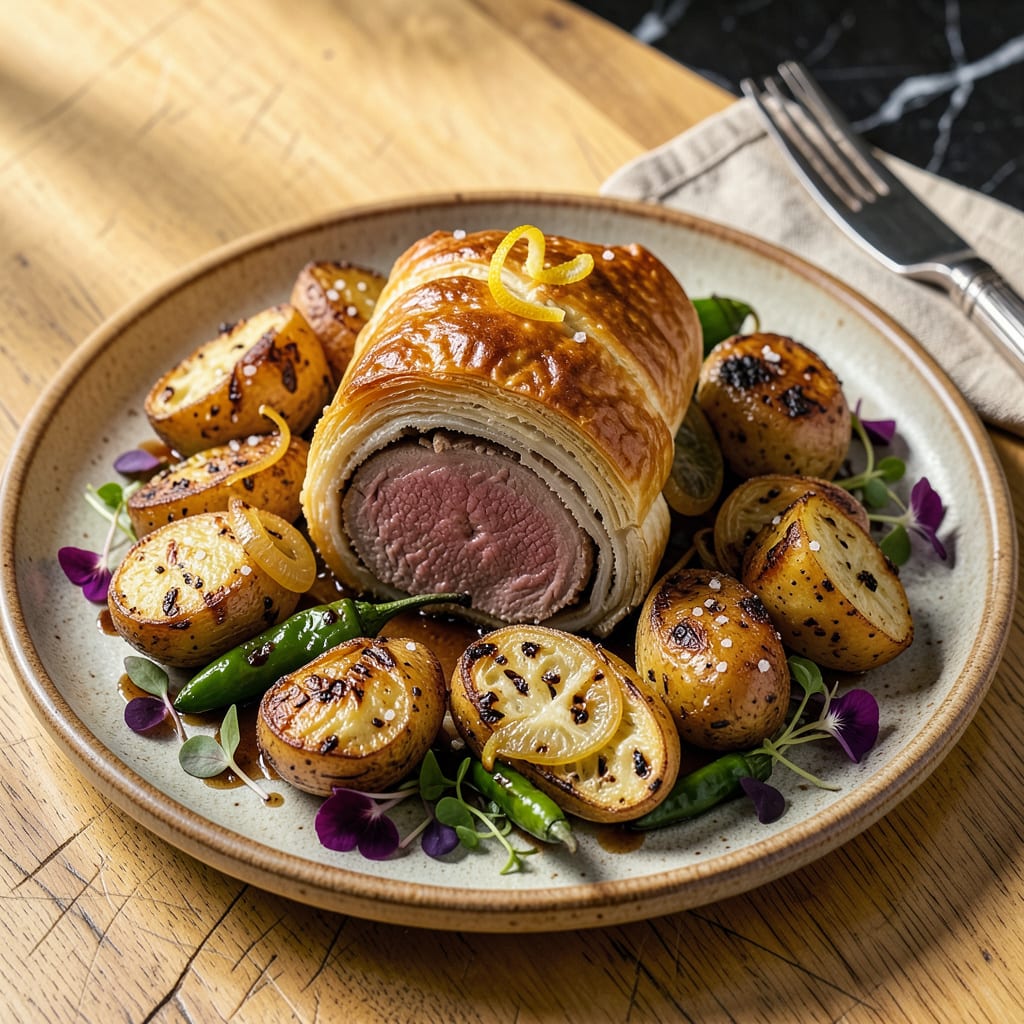
“Amount the recipe makes” refers to the total yield—how many servings, cups, or units the dish produces when prepared exactly as written. This helps with meal planning, ingredient scaling, and understanding portion sizes per person.
Understanding this concept is crucial for home cooks and professional chefs alike. 🔥 When a recipe states it makes 6 servings or 2 cups, it’s giving you a blueprint for success—whether you’re cooking for a family dinner or scaling up for a party. I always recommend checking this detail first, as it directly impacts grocery shopping, prep time, and even the type of cookware you’ll need. For example, doubling a recipe that yields 4 servings might require a larger baking dish or additional cooking time.
💡 In This Article
- How Recipe Yields Are Calculated and Measured
- Adjusting Recipe Quantities for Different Serving Needs
How Recipe Yields Are Calculated and Measured
Recipe yields are determined by precise calculations that account for ingredient ratios and cooking methods. For example, a standard muffin recipe yielding 12 muffins assumes each muffin uses ¼ cup of batter in a 2.5-inch diameter cup.
The science here involves understanding how ingredients interact—like how 1 teaspoon of baking powder leavens 1 cup of flour to create the right rise. 🔥 Volume measurements (cups, tablespoons) are common in home cooking, while professional kitchens rely on weight (grams or ounces) for consistency.
Cooking methods dramatically affect final output. Baking a cake at 350°F for 30 minutes yields a different volume than frying the same batter. Soups and stews reduce by about 20-30% during simmering, so recipes account for this evaporation.
The USDA standardizes portion sizes: 3 ounces of cooked meat = 1 serving, while ½ cup of cooked rice counts as a side dish portion. These benchmarks ensure recipes deliver predictable results across kitchens.
Industry standards also consider texture and density. A recipe for 2 dozen cookies assumes scooping 1.5 tablespoon portions of dough that spread to 3-inch diameters when baked.
Liquid measurements follow the rule that 1 cup = 8 fluid ounces, but weight varies—1 cup of flour weighs 120 grams, while 1 cup of sugar is 200 grams. This precision prevents overfilling pans or undercooking centers.
Professional test kitchens use calibrated tools to verify yields. They might bake 5 batches of a pie recipe to confirm it consistently produces 8 slices when cut with a 12-inch pie server. Home cooks can replicate this by using standardized measuring cups and checking weights with a kitchen scale.
Even small variations—like packing brown sugar too tightly—can alter yields by 15-20%.
Temperature and altitude introduce variables too. At high elevations, cakes may rise more but then collapse, reducing yield. Humidity affects dough absorption rates, which is why bread recipes often list yield ranges (1-2 loaves) rather than exact numbers.
The key is understanding that yield calculations balance art and science—following the recipe exactly gives you the promised amount, while adjustments require recalibration.
Consider how serving sizes translate to real meals. A recipe claiming 4 servings of lasagna might assume 2×3-inch portions, but hungry teens could consider that a single serving.
The FDA defines a serving as what people typically eat, not what they should eat—so a 20-ounce soda is labeled as 2.5 servings even though most people drink the whole bottle. This explains why some recipes seem to underestimate portions!
For liquids like soups or sauces, yields account for both the base and added ingredients. A 6-quart pot of chili might start with 4 quarts of liquid but expand to 6 quarts after adding beans and meat. The same principle applies to rice: 1 cup dry rice yields 3 cups cooked.
Understanding these expansion ratios helps prevent overflowing pots or running short on servings when unexpected guests arrive. ✨

- BBQ Sausage Recipe Oven: Smoky Depth Without the Grill - September 28, 2026
- BBQ Chicken Bowl Recipe Rice: Smoky Sweetness Over Fluffy Grains - September 28, 2026
- Beef Cutlet Recipe Ideas: Crispy Breaded Patties With Bold Seasonings - September 28, 2026