
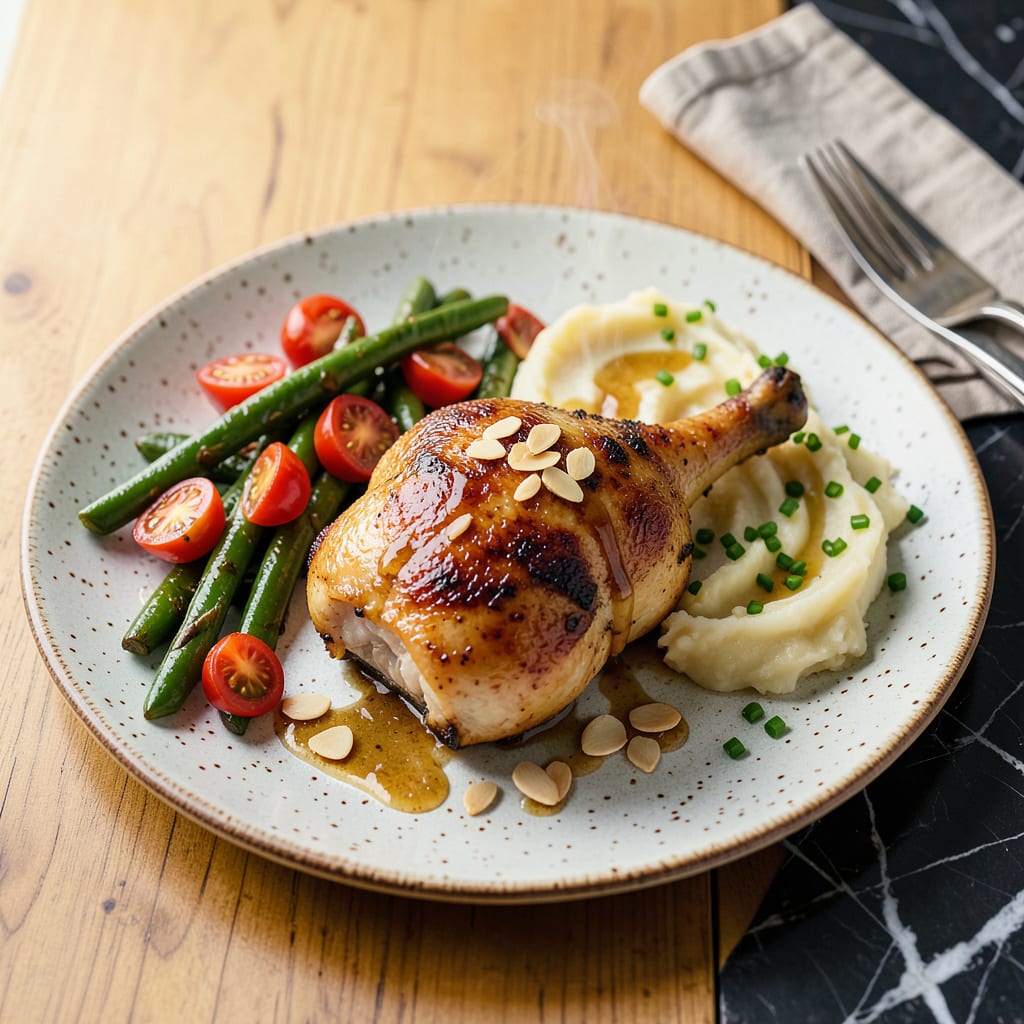
Anyday recipes are simple, time-saving meals using pantry staples or fresh ingredients that come together in 30 minutes or less. Perfect for hectic schedules without sacrificing flavor or nutrition.
I love these recipes because they turn chaos into dinner—no elaborate planning required. 🔥 The magic lies in their flexibility: swap proteins, use seasonal veggies, or repurpose leftovers without losing that homemade taste. What sets them apart is how they bridge the gap between takeout convenience and the satisfaction of cooking from scratch.
Think of them as your culinary safety net for those nights when time is tight but you still want something nourishing. ✨ They’re designed to work with what you’ve got, whether that’s a well-stocked pantry or just a handful of fresh ingredients. The best part? They scale effortlessly—double for leftovers or halve for a solo meal.
💡 In This Article
- Why Anyday Recipes Work for Every Schedule
- Top 5 Anyday Recipe Categories to Master
Why Anyday Recipes Work for Every Schedule
The secret lies in their 30-minute-or-less framework, which relies on high-heat techniques and multi-tasking steps. For example, stir-fries cook at 400-450°F to sear proteins and veggies simultaneously, while one-pot pastas use the starch from 8-12 oz of pasta to create a sauce as it cooks.
This isn’t just about speed—it’s about layering flavors efficiently so every bite tastes intentional, not rushed. 🔥
These recipes leverage “pantry bridges”—ingredients like canned beans, frozen veggies, or jarred sauces that act as flavor shortcuts. A can of 15 oz diced tomatoes becomes marinara with garlic and basil, or 1 cup of broth transforms into a rich pan sauce with a splash of soy and cornstarch.
The math is simple: 5 core ingredients + 2 pantry staples = 1 complete meal. It’s how a 10-minute prep can yield something that tastes like it simmered for hours. ✨
What most people don’t realize is the science of carryover cooking. Proteins like 6 oz chicken breasts or 8 oz salmon fillets continue cooking off-heat, so you can pull them at 155°F (chicken) or 130°F (fish) and let residual heat finish the job while you plate.
This 5-10 minute rest also lets flavors redistribute, so even quick meals taste balanced. 💫
The real genius is in the adaptable templates. Take a sheet-pan dinner: 400°F for 20 minutes works for everything from 1 lb baby potatoes to 12 oz shrimp. Swap the protein, adjust the spice blend, and you’ve got a new dish.
Same goes for grain bowls—cook 1 cup quinoa in 2 cups broth, then top with whatever’s fresh. It’s modular cooking at its finest. ⚡
Even the cleanup is strategic. Most anyday recipes use one pan, one bowl, or one sheet, cutting post-meal work to 5 minutes or less. A 12-inch skillet can sear, sauté, and simmer an entire meal, while a 9×13 baking dish handles everything from casseroles to roasted veggie medleys.
The tools are as simple as the methods. 🌟
Here’s the kicker: these recipes scale effortlessly. Need to feed four? Double a 2-serving stir-fry without adjusting cook times. Cooking solo? Halve a 4-serving sheet-pan and use the leftovers for lunch. The ingredients lists are designed with standard package sizes in mind—like 1 lb ground meat or 16 oz pasta—so there’s no waste. 💛
At their core, anyday recipes respect the rhythm of real life. They’re built for the 15-minute window between work and soccer practice, or the 30-minute lunch break when you’re craving something fresh. The flavors might be global—think Thai peanut noodles or Mexican street corn bowls—but the techniques are universally quick. That’s why they stick around.
🔥

- BBQ Sausage Recipe Oven: Smoky Depth Without the Grill - September 28, 2026
- BBQ Chicken Bowl Recipe Rice: Smoky Sweetness Over Fluffy Grains - September 28, 2026
- Beef Cutlet Recipe Ideas: Crispy Breaded Patties With Bold Seasonings - September 28, 2026